Syringe Liposuction: Which Areas Can Be Treated and How Did It Begin? — 12 Treatment Areas & History
Syringe liposuction is a focal body-contouring procedure that uses gentle negative pressure created by pulling back a syringe plunger, rather than a motorized suction pump, to contour localized subcutaneous fat in small areas of concern such as the back of the arms, lower abdomen, or saddlebags. During outpatient consultations, we often hear patients ask, "I am not looking to lose weight overall, but can I reduce the burden and contour just one or two stubborn areas that do not respond well?"
Syringe liposuction is not a newly invented technique; it is a long-standing method that has evolved alongside modern liposuction. Today, we will walk through how this procedure began and developed, the principles of using low negative pressure, its advantages, limitations, and cost (190,000 KRW per 50 mL syringe), and the 12 treatment areas where it is commonly performed.
History of Syringe Liposuction
Although removing fat through suction to refine body contours is widely familiar today, nearly a century of trial, error, and technological progress was required before it reached its current stable form. In particular, syringe-based liposuction was discovered unexpectedly shortly after mechanical liposuction became established, paving the way for both fat grafting and low-negative-pressure liposuction.
1920s–1960s — Early Attempts and Limitations
Attempts to remove subcutaneous fat through small incisions began in the early 20th century. In 1921, French surgeon Charles Dujarier attempted to remove subcutaneous fat from a dancer's calves and knees using a uterine curette, resulting in femoral artery injury and a tragic amputation [1][2]. In 1964, Schrudde attempted to extract fat from the lower leg through a small incision, but scraping tissue with sharp instruments carried high risks of bleeding and seroma, preventing widespread adoption [1][2].
1970s — Modern Liposuction and the Blunt Cannula
Modern liposuction—removing fat by "suction"—began around 1974–1975 with Italian father-and-son surgeons Arpad and Giorgio Fischer [2][7]. The Fischers developed a motorized cannula with a rotating blade behind an aperture connected to a vacuum pump to extract localized fat deposits [2][7]. In 1977, the equipment was simplified using Karman's cannula and aspirator, and in 1978 Kesselring and Meyer reported combining a sharp curette with suction; however, instruments that cut tissue still led to blood and lymph accumulation [2][3][7].
The turning point came from French surgeons Yves-Gérard Illouz and Pierre F. Fournier [2]. Illouz introduced the blunt-tipped cannula and the wet technique—pre-injecting hypotonic saline and hyaluronidase—to reduce vascular and tissue trauma, while Fournier shared Fischer's technique with physicians worldwide and promoted crisscrossing tunnels from multiple directions to reduce surface irregularities [2][7].
September 1985 — An Accidental Discovery with a 5 mL Syringe
Syringe liposuction was discovered by chance by Fournier in September 1985, seven years after Giorgio Fischer first demonstrated mechanical liposuction in Paris [4]. A patient seeking fat sculpting of the knee was extremely fearful of local anesthesia, general anesthesia, and sedation alike, so the procedure was being performed with cryoanesthesia alone [4].
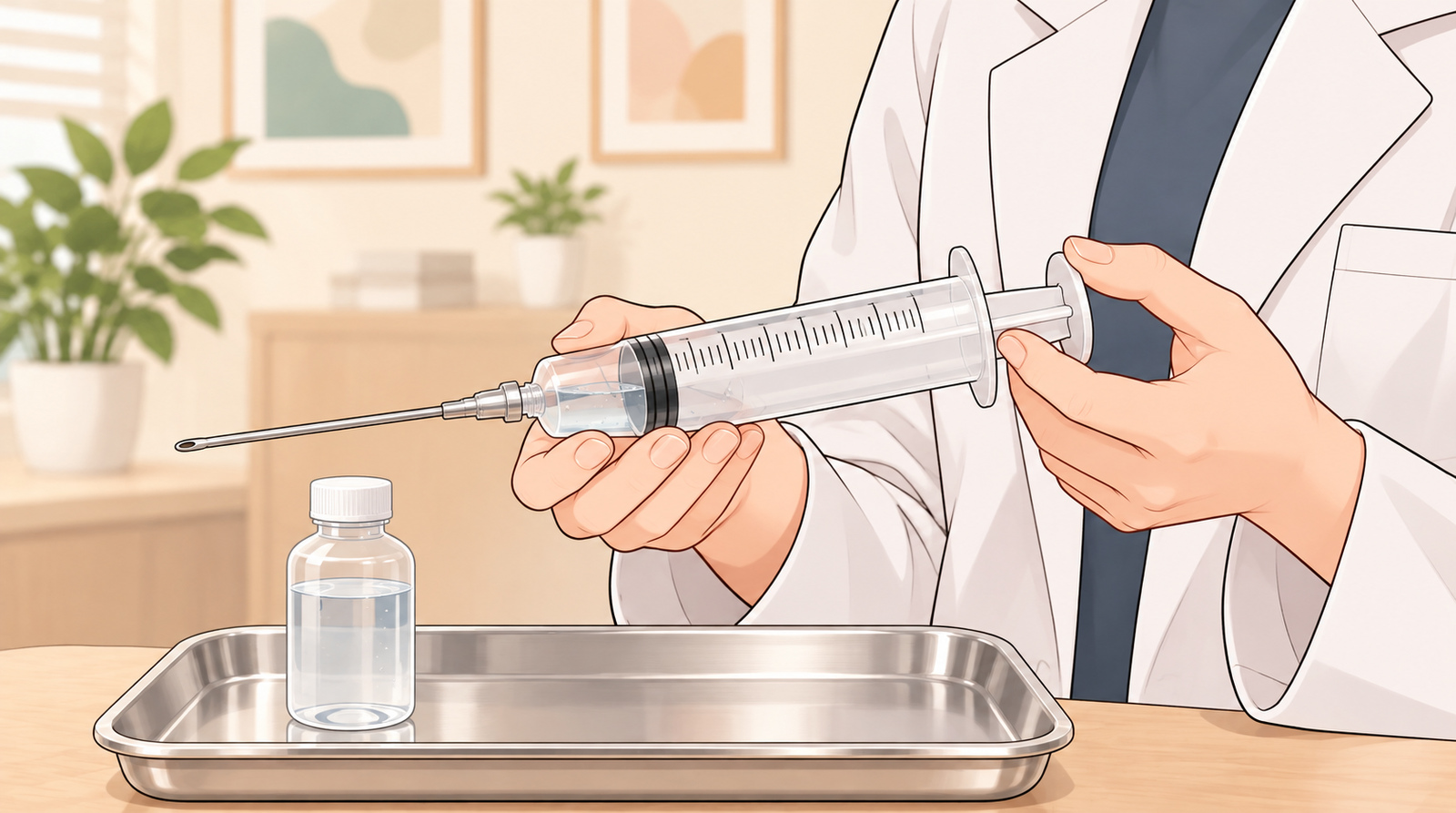
To grip a small 5 mL syringe firmly, Fournier held the syringe barrel together with the fully withdrawn plunger and moved the needle back and forth [4]. When he withdrew the needle, he was surprised to find the syringe about half full of adipose tissue [4]. Through this experience, he confirmed two key principles: the force that separates fat lobules from tissue is the back-and-forth mechanical motion, while the negative pressure inside the syringe serves to draw the loosened fat into the barrel [4][7]. When the harvested fat was sent to a pathologist, the report showed that the adipocytes remained intact—leading to the idea that viable fat obtained under sterile conditions could be reinjected where needed [4][7].
1985–1987 — Dedicated Instruments and Tumescent Anesthesia
Fournier soon began connecting cannulas to 60 mL syringes [4]. He observed that fat aspirated with a syringe contained less blood than fat removed by mechanical suction [4][7]. About two years later, manufacturers recognized the advantages of this approach and developed dedicated cannulas—the French model passing into the syringe nozzle and the Tulip model attaching externally—along with plunger locks to hold the withdrawn piston in place [4]. Fournier wrote that after he began using syringes in 1985, he never went back to a suction machine [7].
During the same period, in 1987, Jeffrey A. Klein in the United States introduced tumescent local anesthesia—infusing large volumes of diluted lidocaine and epinephrine—which markedly reduced surgical bleeding and made outpatient, same-day liposuction without general anesthesia feasible [5][7]. In the 1990s, observations that syringe-harvested fat was remarkably clean and had minimal tissue trauma inspired "low-negative-pressure liposuction" even for motorized systems [6], while Sydney Coleman established standardized principles of syringe harvesting and small-aliquot dispersed fat grafting that remain standard today [7].
The historical milestones of syringe liposuction can be summarized as follows.
| Period | Key Developments |
|---|---|
| 1921–1964 | Dujarier's curette attempt and vascular injury; Schrudde's small-incision fat removal—demonstrating the limitations of sharp instruments [1][2] |
| 1974–1978 | Fischer father and son's suction device; Karman cannula simplification; Illouz and Fournier's blunt cannula and wet technique [2][3] |
| September 1985 | Fournier accidentally discovers fat aspiration principles using a 5 mL syringe; pathology confirms preserved adipose tissue [4] |
| 1985–1987 | Transition to 60 mL syringes; development of French-model and Tulip-model cannulas and plunger locks [4] |
| 1987 | Klein introduces tumescent local anesthesia—markedly reducing bleeding and enabling same-day outpatient liposuction [5][7] |
| 1990s onward | Low-negative-pressure liposuction proposed from low-trauma syringe observations; Coleman establishes syringe harvesting and dispersed fat grafting [6][7] |
Principles and Procedure of Syringe Liposuction
Instead of a motorized vacuum pump, syringe liposuction connects a fine blunt cannula to a syringe and removes subcutaneous fat using manual negative pressure created by pulling back the plunger [3][4]. Unlike weight-loss dieting, which reduces overall body weight, it is a focal body-contouring surgery that directly refines localized subcutaneous fat deposits resistant to diet and exercise [8].
Low Negative Pressure and Small-Volume Aspiration — Reducing Tissue Trauma and Bleeding
Mechanical liposuction using a motorized pump draws fat with constant, strong vacuum pressure. By contrast, syringe liposuction uses low negative pressure generated by pulling the plunger, and that pressure gradually decreases naturally as fat fills the syringe [4][7]. Pre-filling a syringe with normal saline is done when harvesting fat for fat grafting; for liposuction aimed at fat removal, saline is not placed inside the syringe.
In addition, syringe liposuction avoids removing excessive volumes of fat at once and works alongside the vasoconstrictive effect of tumescent local anesthesia [5][8]. Because the negative pressure is not excessive and both the treatment area and fat volume are localized, it is advantageous for reducing physical stress and trauma to surrounding vessels and tissues as well as limiting blood loss [4][6][8]. Another distinct feature compared with machine suction is the ability to monitor the syringe markings in real time to precisely balance the volume removed per area and between left and right sides [4][8].
The table below compares syringe liposuction with standard large-volume mechanical liposuction.
| Category | Syringe Liposuction (Focal Contouring) | Large-Volume Mechanical Liposuction |
|---|---|---|
| Primary Purpose | Focal body contouring of small localized areas [3][8] | Broad-area or circumferential body contouring [8] |
| Negative Pressure Source | Low manual negative pressure via syringe plunger [4] | Continuous vacuum pressure via motorized pump [4] |
| Anesthesia & Schedule | Tumescent local anesthesia; same-day surgery and discharge [3][5][8] | Tumescent anesthesia combined with sedation depending on extent [8] |
| Volume Measurement | Immediate measurement in small increments via syringe markings [4][7] | Measured cumulatively in a collection canister [7] |
| Suitable Areas | Localized zones: posterior arms, axillary fat, lower abdomen, saddlebags, inner knees, etc. [3][8] | Broad regions: full abdomen, full thighs, etc. [3][8] |
Surgical Process and Recovery Schedule
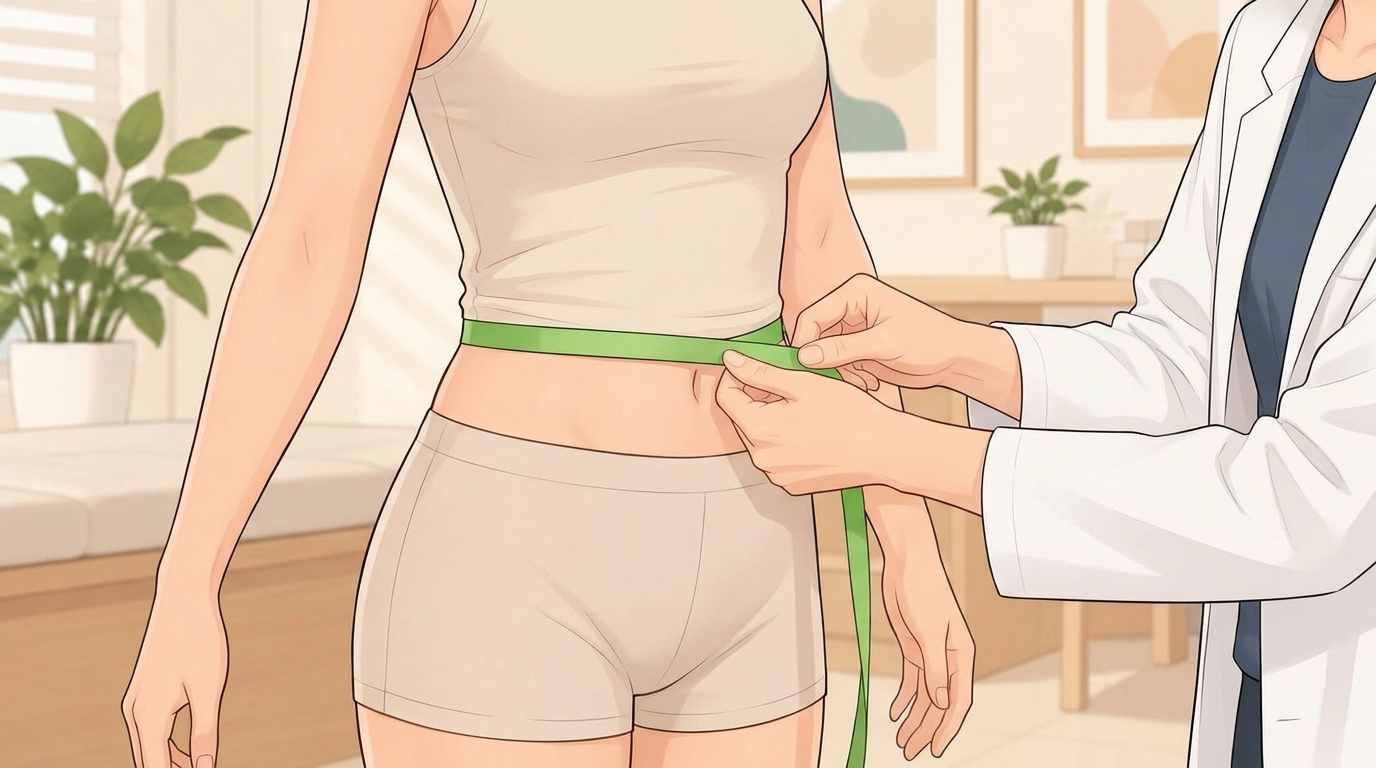
Before surgery, localized fat distribution that protrudes under gravity is evaluated and marked while the patient is standing [8]. Next, tumescent local anesthetic—diluted lidocaine and epinephrine—is evenly infused into the subcutaneous fat layer [5][8]. Once adequate anesthesia is achieved, fat is removed using a syringe and fine cannula through as few and as small incisions as possible tailored to the site and extent [8]. During the procedure, the targeted fat is thoroughly removed while the contour is smoothed evenly without irregularities.
Because the procedure is performed under tumescent local anesthesia without general anesthesia, hospitalization is not required, and same-day surgery and discharge are possible [3][5][8]. Since the local anesthetic remains in the subcutaneous fat layer for a period after surgery and maintains an analgesic effect, immediate postoperative pain tends to be relatively mild [5][8]. At Venus Clinic, a 1-week postoperative follow-up checks the incision sites and healing progress, and if there are no unusual findings, the basic treatment schedule concludes at this visit [8].
Surgical Fee Information
At Venus Clinic, the fee for syringe liposuction is 190,000 KRW per 50 mL syringe [8]. Because the number of syringes needed varies individually depending on the surface area, thickness of the subcutaneous fat layer, and desired degree of contouring, the exact plan is provided after an in-person examination during consultation.
Limitations and Precautions to Know
While syringe liposuction offers clear advantages, it is not a one-size-fits-all method for every body type or extent. First, aspirating a broad area solely with syringes prolongs operating time and increases operator fatigue, and switching frequently between fine microcannulas or multiple incisions requires repeatedly re-establishing negative pressure [3][5]. Moreover, because tumescent local anesthesia must stay within safe lidocaine dosing limits, it is not suitable for large-volume or extensive liposuction such as the entire abdomen or full thighs [3][5][8]. Treating thin superficial fat layers or revision sites with dense scar-tissue resistance from prior surgery may also have limitations with syringes alone [3][8].
Second, liposuction reduces only the subcutaneous fat layer between the skin and muscle; it cannot alter muscle size or underlying bone structure [8]. Third, even though the number of fat cells is reduced, significant postoperative weight gain can cause remaining fat cells to enlarge and alter the silhouette again, so steady weight management is needed [8]. As with any surgery, potential side effects include bleeding, infection, bruising, swelling, skin irregularities, and temporary sensory changes, and outcomes vary depending on individual body shape, fat volume, and skin elasticity [9].
Advantages and Cost of Syringe Liposuction
Low Negative Pressure and Small-Volume Treatment Help Reduce Tissue Trauma, Bleeding, and Bruising
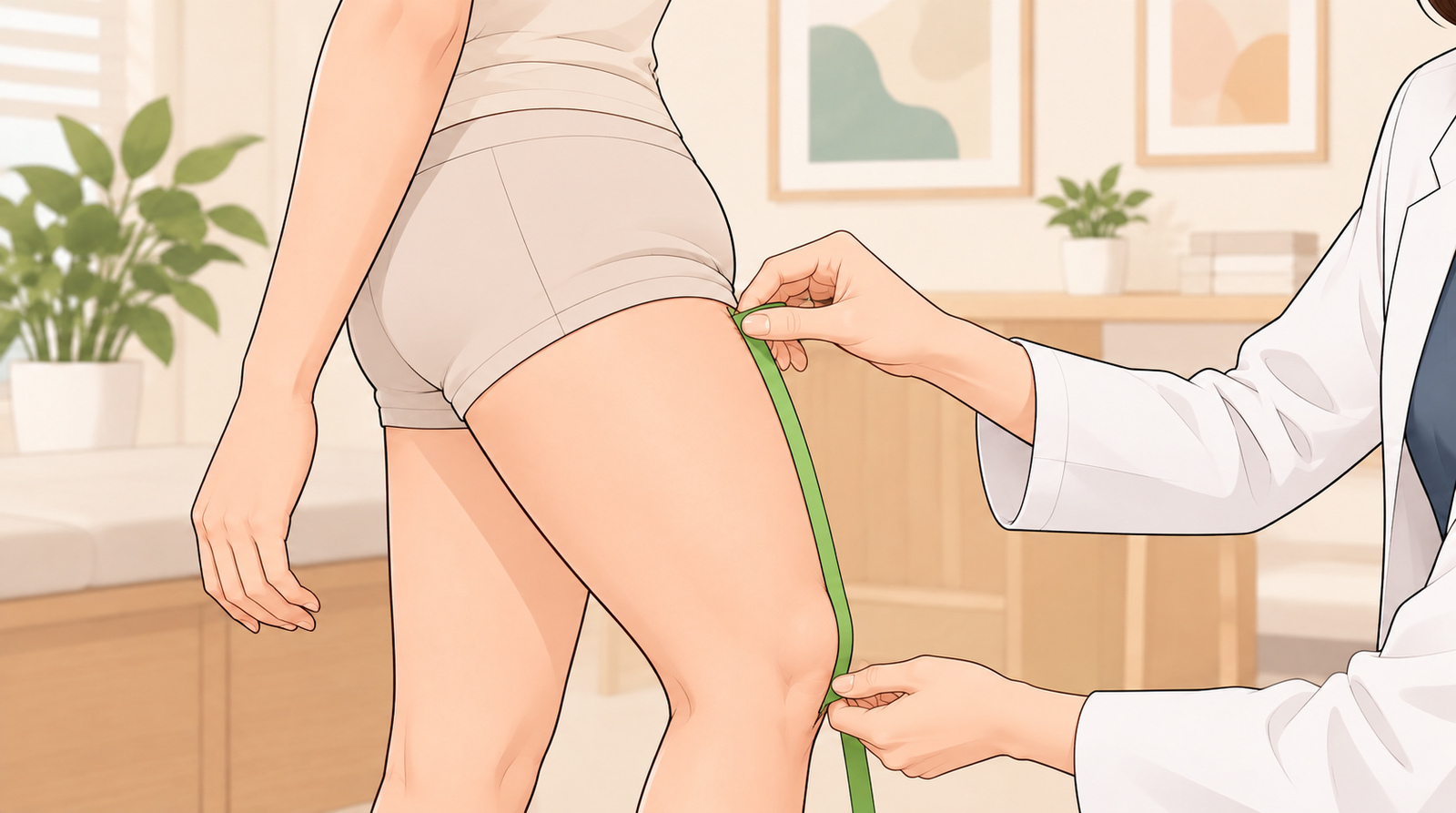
Syringe liposuction uses low negative pressure and is a localized procedure that does not remove excessive fat at one time [4][8]. Combined with the vasoconstrictive effect of tumescent local anesthesia, intraoperative blood loss tends to be modest, which helps reduce surrounding tissue trauma, postoperative bruising and swelling, and complication burden [4][5][6][8]. However, the degree of bruising, swelling, and recovery speed varies by surgical site and individual constitution [9].
Simple Postoperative Care and Relatively Fast Recovery
Because the treated area is small and neither general anesthesia nor hospitalization is needed, swelling and bruising tend to subside more quickly and return to daily life is generally faster compared with large-volume liposuction covering broad areas at once [3][5][8]. Postoperative care is also straightforward: patients wear the compression garment as instructed and gradually increase light daily activities, and because basic care concludes at the 1-week follow-up, scheduling is convenient even for office workers or students who cannot take long leave [8][9].
Suitable for Focal Body Contouring with Lower Cost Burden
Because there is no general anesthesia or hospitalization and only the necessary localized area is contoured, the cost burden tends to be lower than that of large-volume liposuction treating multiple areas at once [5][8]. At Venus Clinic, we clearly state the fee as 190,000 KRW per 50 mL syringe, making it a practical option for those wishing to lightly refine specific zones such as the posterior arms, axillary fat, or inner knees [8].
References
- Serdev N (ed). Advanced Techniques in Liposuction and Fat Transfer. InTech; 2011. Chapter 9 (History, p. 136).
- Shiffman MA, Di Giuseppe A (eds). Liposuction: Principles and Practice. Springer; 2006. Chapters 1, 56 (p. 371), 66 (p. 449).
- Duncan DI (ed). Enhanced Liposuction: New Perspectives and Techniques. IntechOpen; 2022. Chapters 1, 2 (Syringe assisted liposuction).
- Fournier PF. Reduction Syringe Liposculpturing. In: Shiffman MA, Di Giuseppe A (eds). Liposuction: Principles and Practice. Springer; 2006. Chapter 30, pp. 207–216.
- Klein JA. Tumescent Technique: Tumescent Anesthesia & Microcannular Liposuction. Mosby; 2000. Chapters 19, 22, 24, 28 (pp. 141–156, 179, 205, 266).
- Shiffman MA, Di Giuseppe A (eds). Liposuction: Principles and Practice. Springer; 2006. Chapter 44 (Reduced Negative Pressure Liposuction, p. 302).
- Venus Clinic. Breast Fat Grafting and Syringe Liposuction (including Coleman's 1990s grafting principles and Fournier retrospective). https://myvenus.co.kr/column/578377
- Venus Clinic. Syringe Liposuction. https://myvenus.co.kr/venus_point/580380
- Venus Clinic. Complications, Side Effects, and Postoperative Activities of Liposuction. https://en.myvenus.co.kr/should_know/38861
Syringe Liposuction Treatment Areas
Syringe liposuction is primarily performed on 12 areas in total: 2 on the upper body, 5 on the torso, and 5 on the lower body [8]. This article does not include actual patient before-and-after photos; the three illustrations below are schematic diagrams showing the location and extent of each treatment area. The actual surgical range is determined after directly examining fat layer thickness and body proportions during consultation.
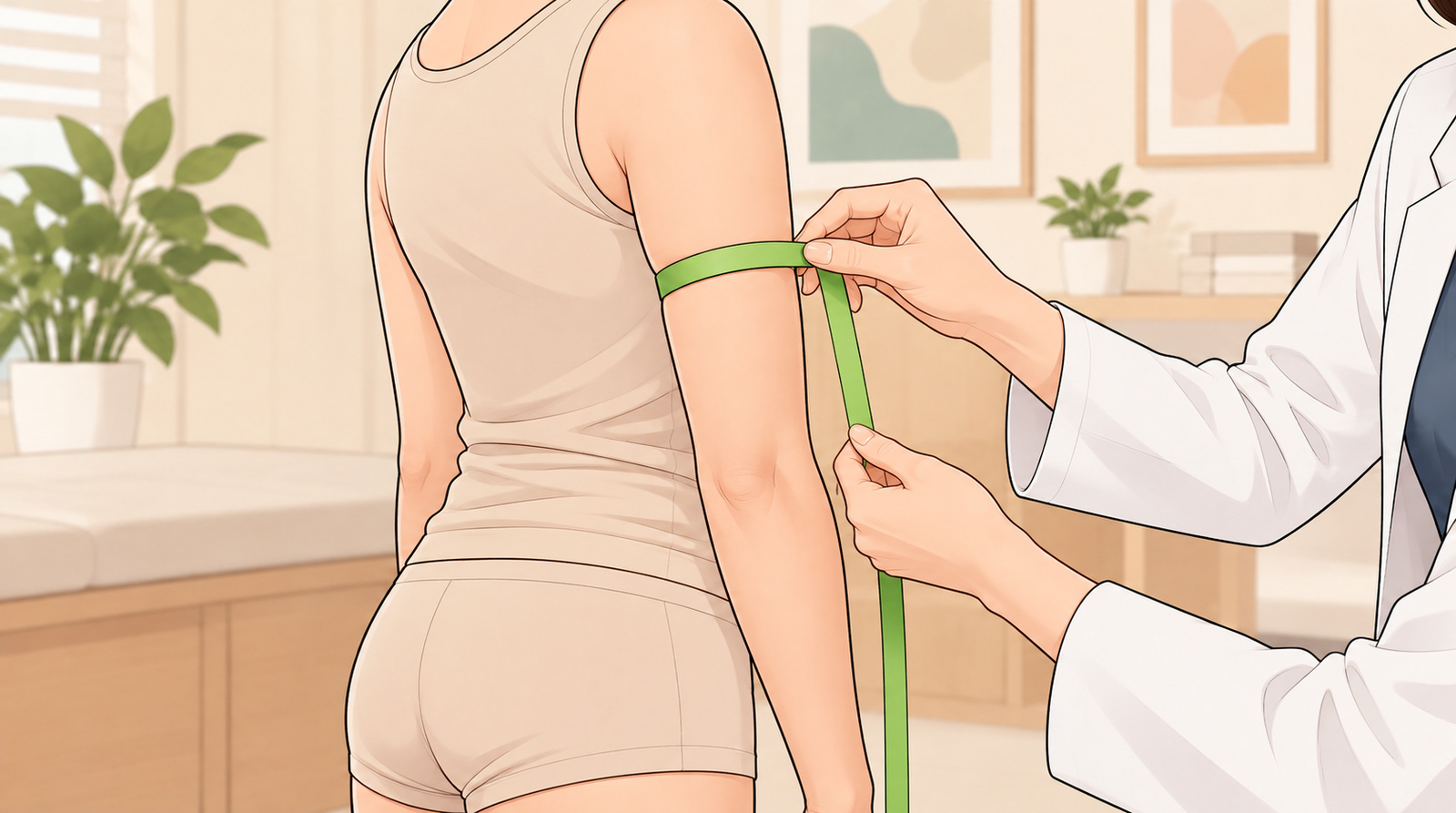
Upper Body — Posterior Upper Arm & Axillary Accessory Fat (2 Areas)
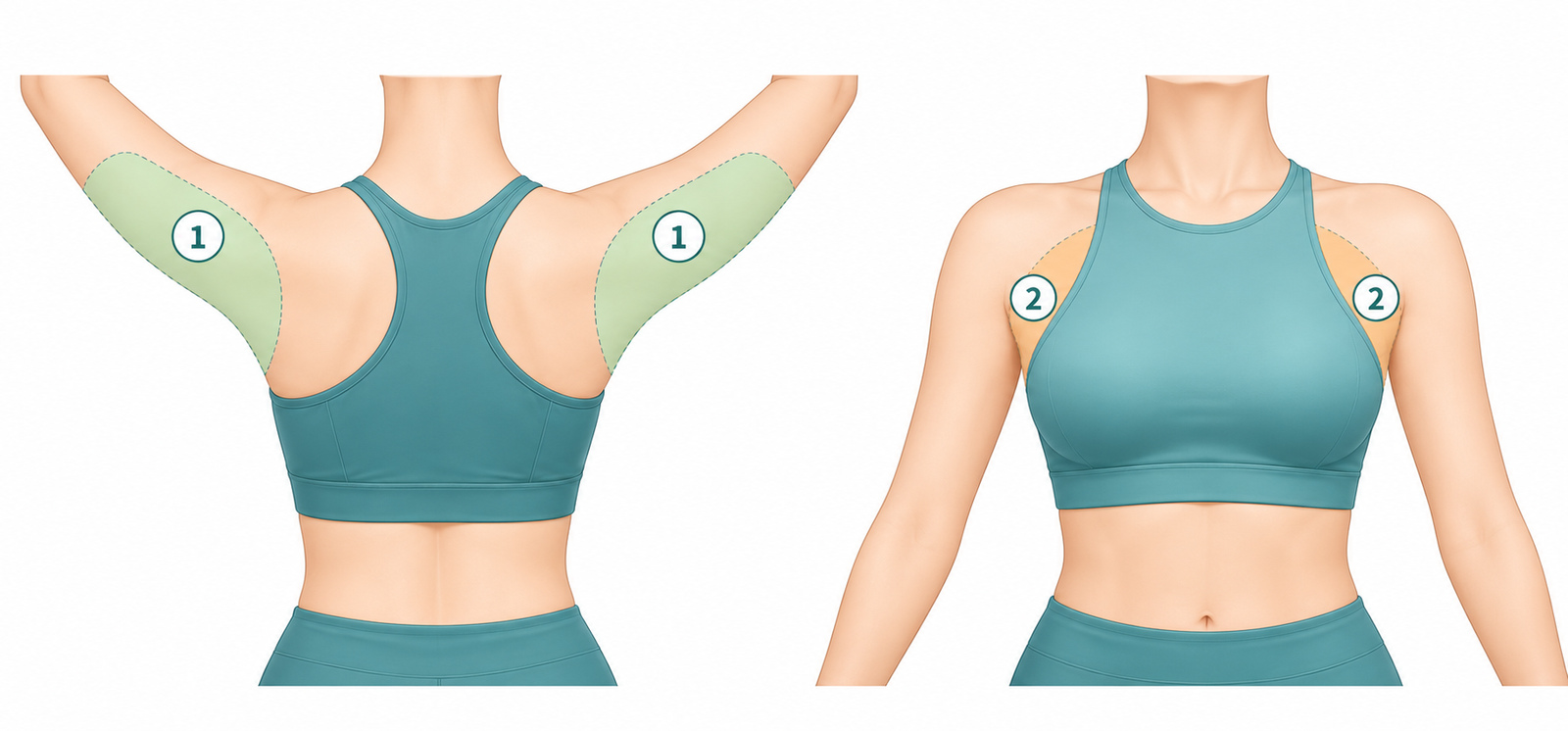
※ Schematic illustration to explain treatment areas. (① Posterior upper arm · ② Axillary accessory fat)
| Area | Characteristics & Description |
|---|---|
| ① Posterior Upper Arm | The area along the back and underside of the arm that hangs down when the arm is lowered or bulges just above the elbow. It is one of the most frequently consulted upper-body areas because it rarely slims down with exercise alone, and it is contoured smoothly from the axilla to the elbow. However, if the biceps or triceps muscles are well developed, the degree of circumference reduction has limits. |
| ② Axillary Accessory Fat | Localized fat gathered in a bulge extending from the front of the armpit toward the outer chest. Although the fat volume itself is not large, it is easily noticeable in sleeveless or fitted tops, so removing even a small amount tends to create a cleaner front upper-body line. |
Torso — Upper Abdomen, Lower Abdomen, Flanks, Back Flanks & Bra Line (5 Areas)
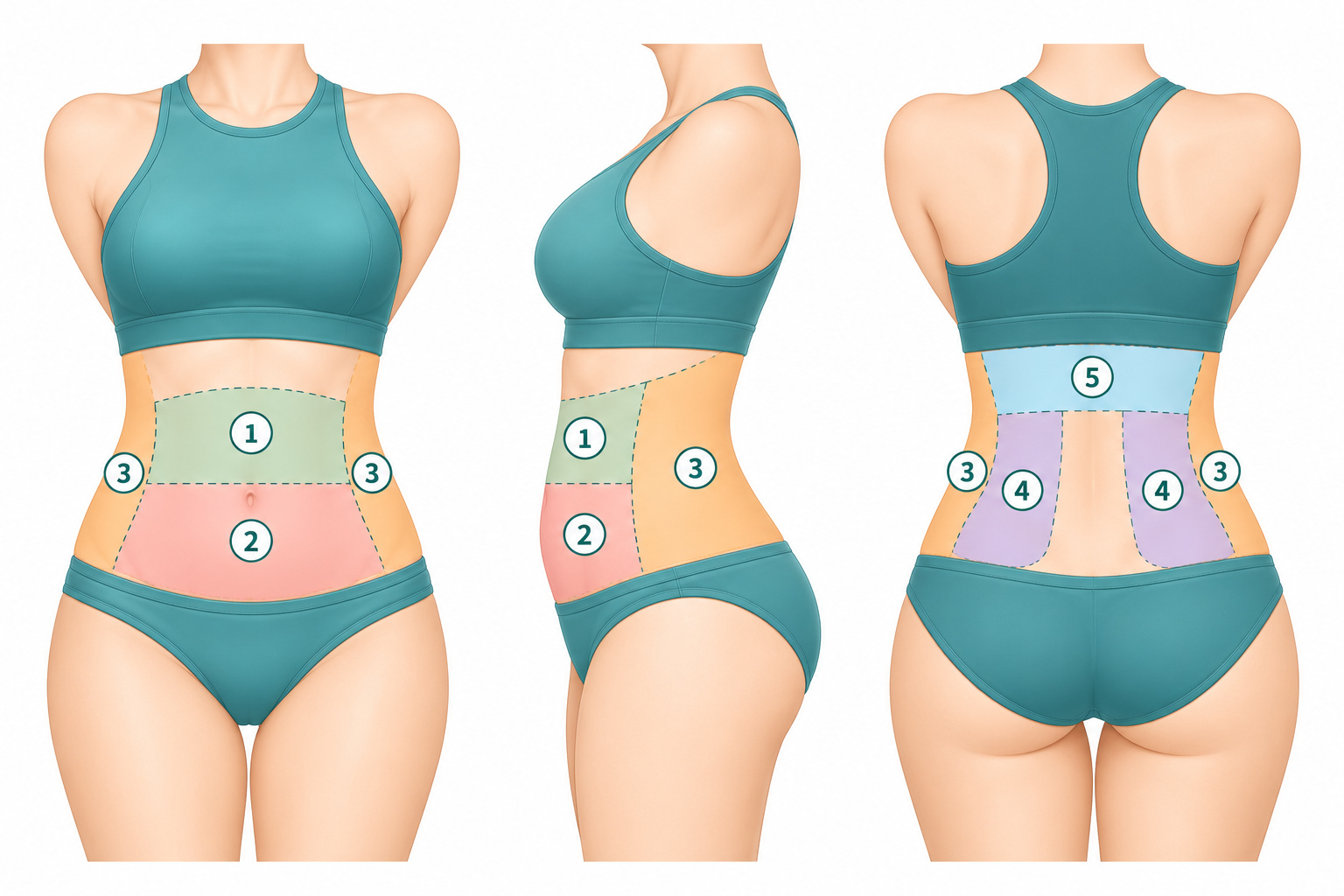
※ Schematic illustration to explain treatment areas. (① Upper abdomen · ② Lower abdomen · ③ Flanks · ④ Back flanks · ⑤ Bra line)
| Area | Characteristics & Description |
|---|---|
| ① Upper Abdomen | The abdomen above the navel, which contains more fibrous tissue than the lower abdomen and is influenced by ribcage contour and horizontal creases formed when bending forward. The fat layer is assessed carefully so it blends naturally without creating an abrupt step with surrounding abdominal lines. |
| ② Lower Abdomen | The lower belly below the navel, where thickening of the deep fat layer tends to cause forward protrusion. Skin contraction after surgery is generally favorable here, making it a popular choice for focal body contouring. |
| ③ Flanks | The sides of the waist (love handles), a localized fat-accumulation zone where fat tends to gather with age and blur the waistline curve. It is well suited for refining the lateral waist contour when diet and exercise fall short. |
| ④ Back Flanks | The area extending from behind the flanks toward the lower back (around the lumbar region). Contouring fat accumulated in the deep layer helps sharpen a blunted rear waistline and balance the posterior silhouette. |
| ⑤ Bra Line | The upper back and lateral zone below the shoulder blades and over the upper ribs that bulges above and below underwear straps in thin clothing. Because fibrous tissue is relatively dense here, careful sculpting with a fine cannula is required. |
Lower Body — Inferolateral Buttock, Saddlebags, Inner Thighs, Anterior Thighs & Inner Knees (5 Areas)
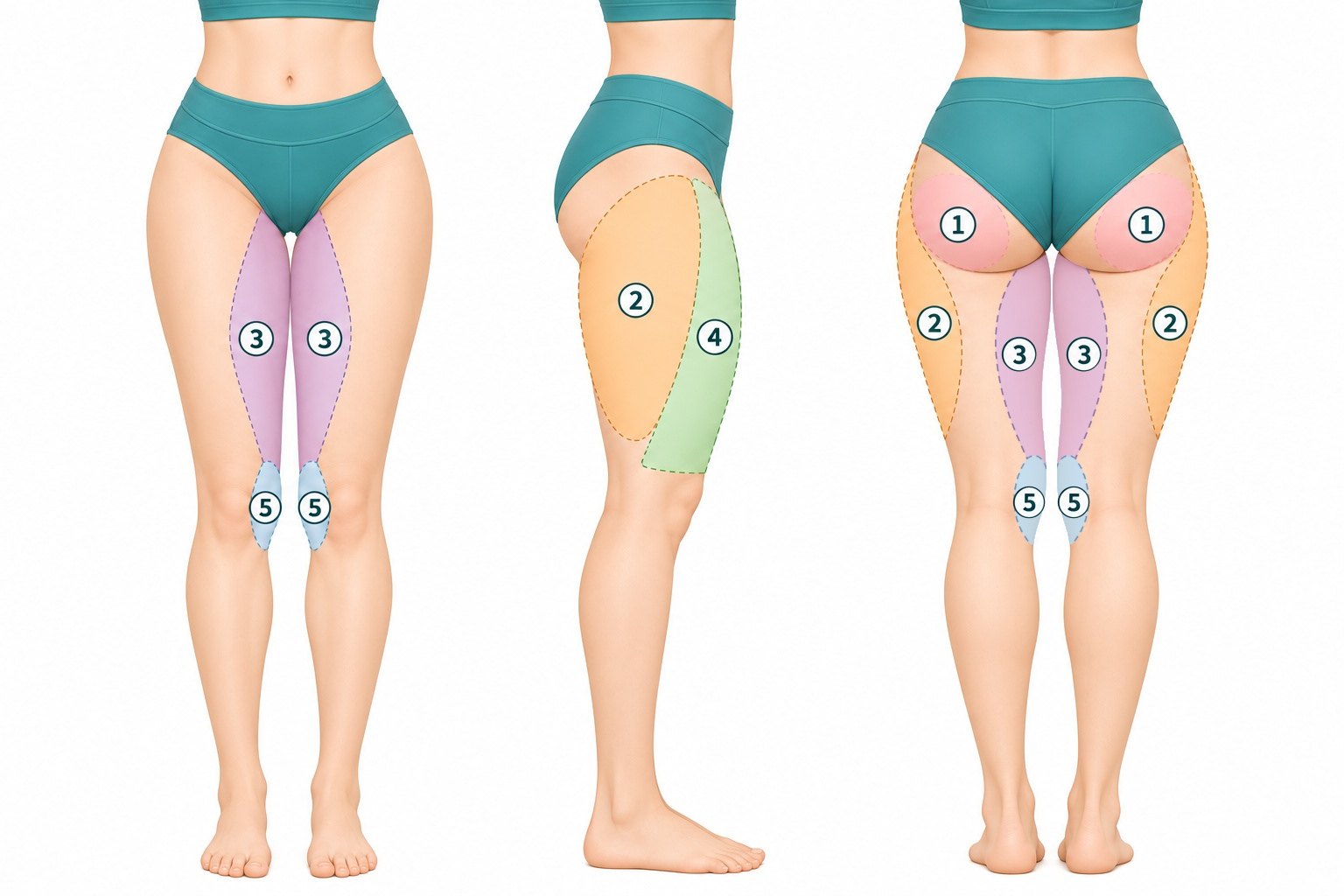
※ Schematic illustration to explain treatment areas. (① Inferolateral buttock · ② Saddlebags · ③ Inner thighs · ④ Anterior thighs · ⑤ Inner knees)
| Area | Characteristics & Description |
|---|---|
| ① Inferolateral Buttock | When the buttock is divided into four quadrants (upper/lower, inner/outer), this refers to the lower outer quadrant. The entire lower buttock along the infragluteal fold (including the inferomedial area) is not included in syringe liposuction; only the inferolateral portion is contoured. Reducing the inferolateral bulk lightens the weight of the buttock to help ease sagging, while also reducing lateral saddlebag protrusion and overall buttock width. |
| ② Saddlebags | The outward bulge along the outer thigh. Because it often responds poorly to dieting under the influence of female hormones, focal contouring is chosen when outer-thigh protrusion affects trouser fit. |
| ③ Inner Thighs | The medial thighs, where skin rubbing during walking or summer sweating often causes discomfort. Because fibrous tissue is sparse and the fat is soft, even contouring with a fine cannula is essential to prevent over-resection or surface unevenness [5]. |
| ④ Anterior Thighs | The front surface of the thighs, contoured when evenly accumulated subcutaneous fat makes the thighs look thick. If the quadriceps muscles are well developed, the degree of change depends on the thickness of the remaining fat layer. |
| ⑤ Inner Knees | Localized fat bulging on the medial side of the knee. Refining this area creates a smoother, continuous medial line from the inner thigh down to the calf. |
| Treatment Area Guide & Side Effect Information | |
|---|---|
| - Notice Type | Schematic illustrations for explaining surgical areas, not actual patient before-and-after photos |
| - Side effects | https://en.myvenus.co.kr/should_know/38861 |
In Closing
Since Fournier's discovery in 1985, syringe liposuction—combined with tumescent local anesthesia—has built decades of clinical experience as a focal body-contouring technique. Thanks to its low negative pressure and localized, small-volume approach, it helps reduce bleeding, tissue trauma, bruising, and recovery burden, while offering a relatively modest cost of 190,000 KRW per 50 mL syringe for small areas. At Venus Clinic, we directly assess fat layer thickness and skin elasticity for each area during consultation and honestly advise whether syringe liposuction or another method is better suited for you.
Dr. Hakjun Kim, Director, Venus Clinic