Special Liposuction - Mons Pubis, Pubic Area, and Y-Zone
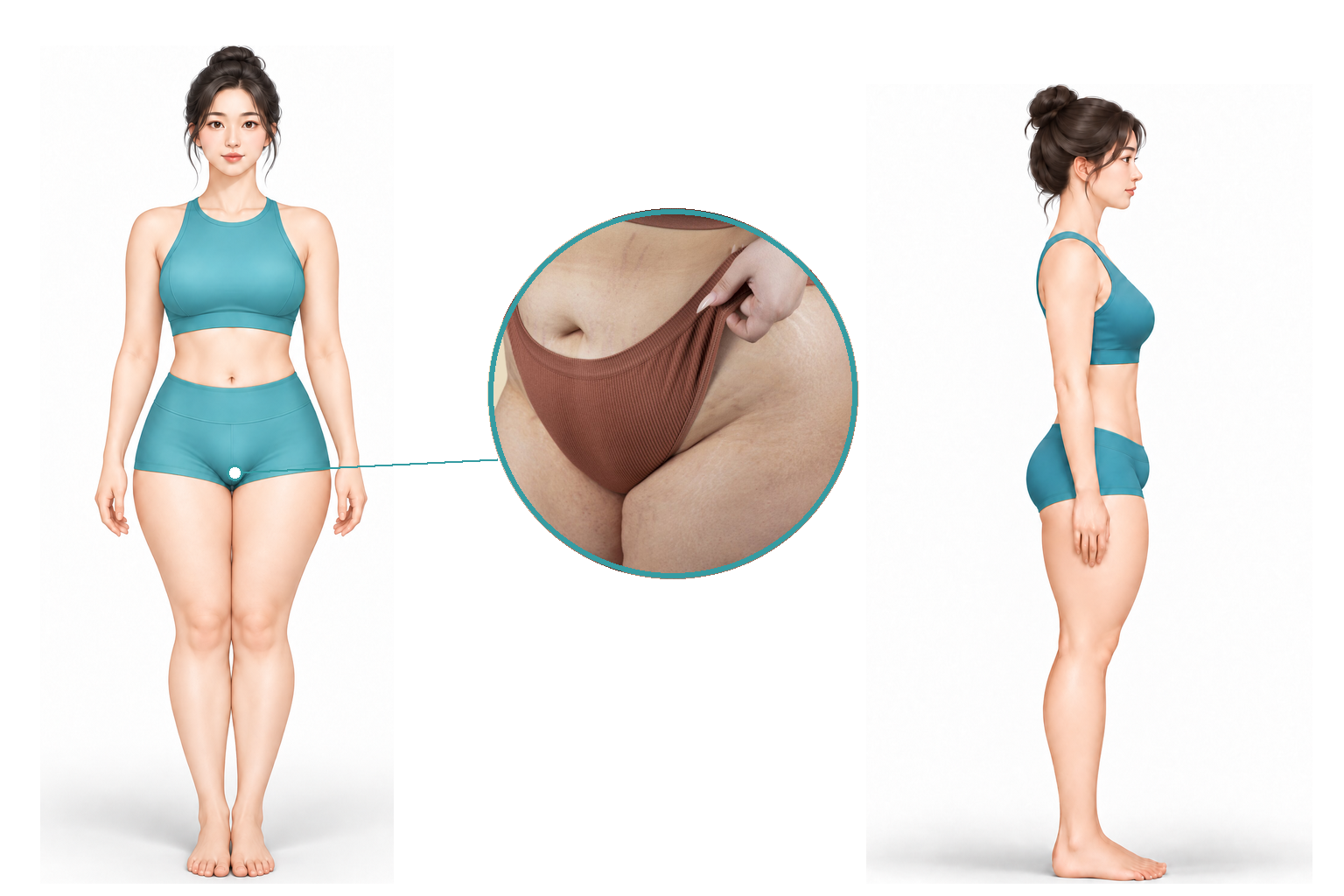
This image combines front and side body views with a central clothing example to explain the continuous Y-zone contour between the lower abdomen, mons pubis, and upper inner thighs.
The lower abdomen, mons pubis, anterior pelvis, groin crease, and upper inner thighs form one continuous contour rather than separate areas. After lower-abdominal liposuction, the mons pubis may appear relatively more prominent if its fat layer remains thicker than the surrounding abdomen.
When fat is concentrated over the mons pubis, groin crease, and upper inner thighs, the Y-zone may become more noticeable in underwear or swimwear. Some patients also notice pressure, rubbing, or discomfort from clothing. If the fullness is mainly caused by subcutaneous fat and skin elasticity is adequate, localized liposuction may be considered after an in-person examination.
What This Page Means by the Mons Pubis, Pubic Area, and Y-Zone
The term does not mean surgery on the external genitalia themselves. It refers to the fatty layer over the front of the pubic bone and the adjacent subcutaneous contour extending toward the groin.
1. Mons pubis
The mons pubis is the fatty pad covering the front of the pubic bone. Because it connects directly to the lower abdomen, a remaining thickness in this area can become more noticeable once the lower abdomen is flatter. Planning should therefore consider the transition from the lower abdomen to the groin rather than reducing the mons pubis in isolation.
2. Anterior pelvic and groin transition
This is the fold where the lower abdomen meets the thigh. Evaluation includes not only the amount of fat, but also the direction of skin folds, asymmetry, and contour changes caused by previous abdominal surgery or liposuction. Over-reducing a single point may make the boundary more visible.
3. Upper inner thighs and the Y-zone
The Y-zone generally extends from the groin to the upper inner thighs. When fat accumulates here, the inner-thigh volume may appear more prominent with the legs together, especially along the edges of underwear or swimwear. Because inner-thigh fat is soft, aggressive suction can cause depressions or surface irregularity. The goal is a smooth transition, not maximum fat removal.
Clinical Case: Front and Side Contour from the Lower Abdomen to the Mons Pubis
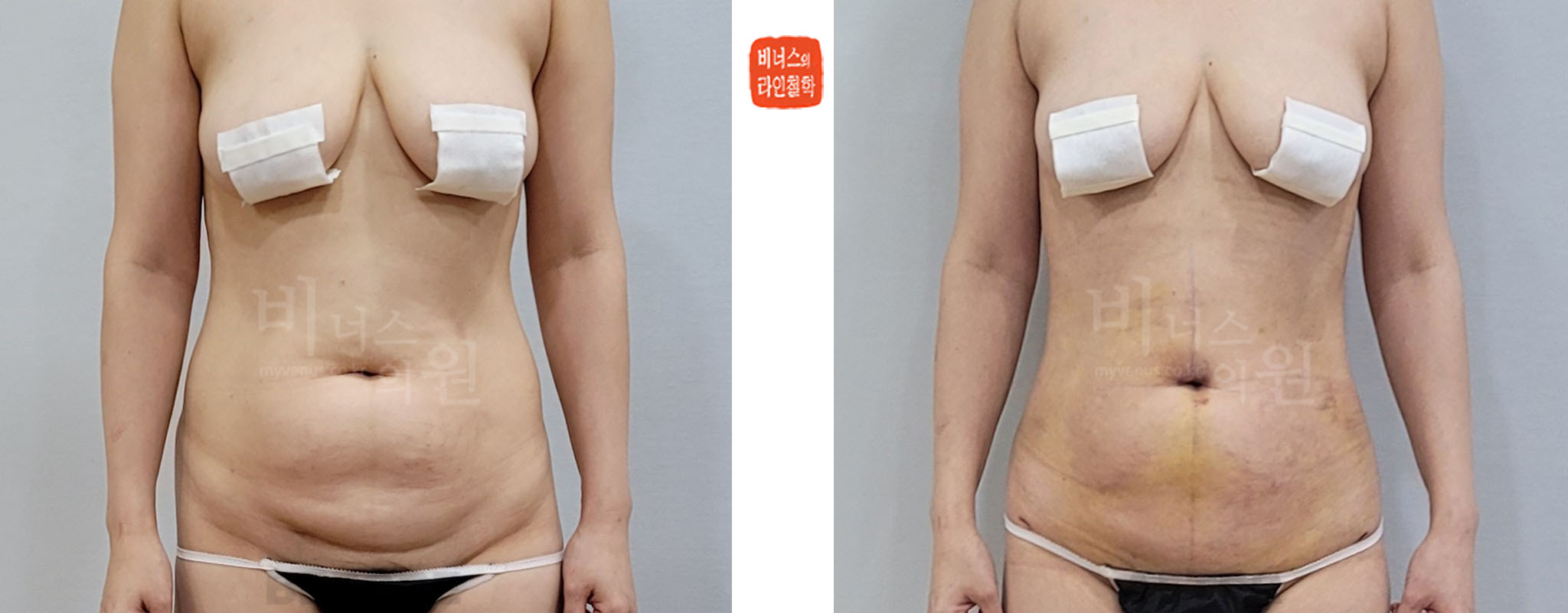
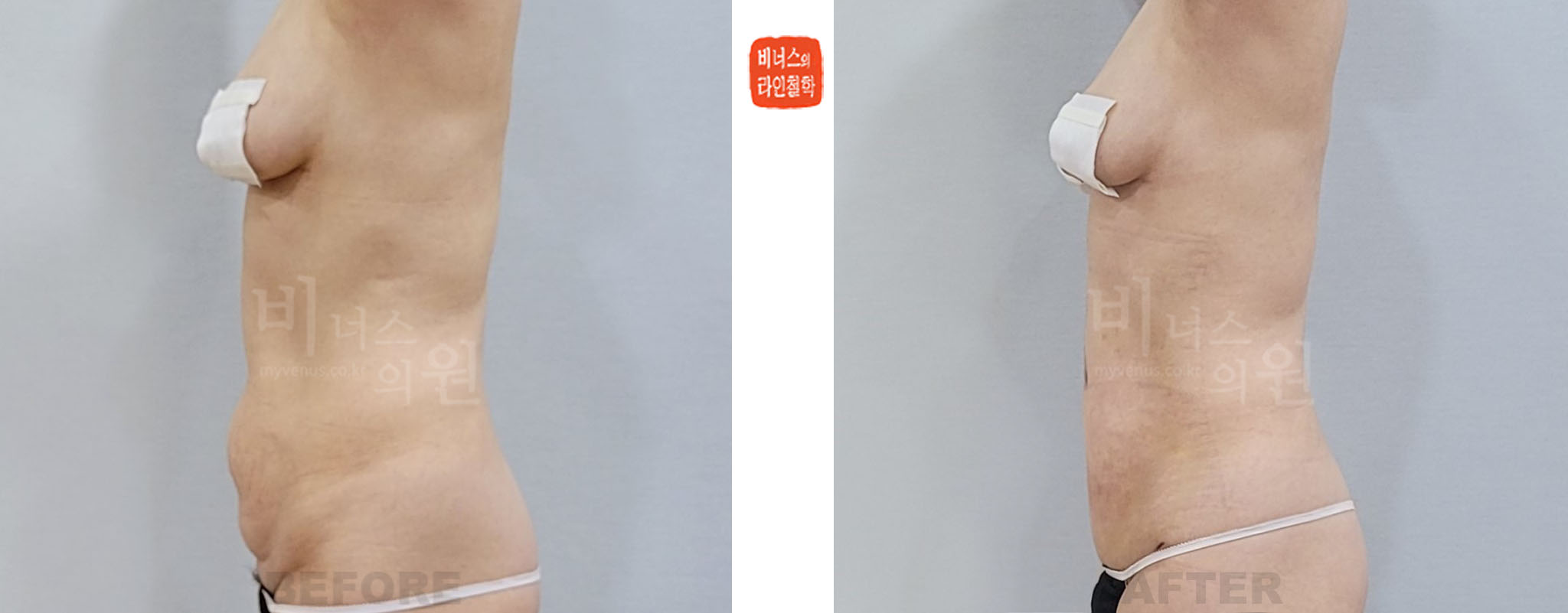
These front and side before-and-after images show the same patient. In each image, the left side is before surgery and the right side is after surgery. Pose and scale were matched as closely as possible. Visible changes and surgical outcomes vary according to fat distribution, skin elasticity, and healing.
Key Medical Principles for Mons Pubis Liposuction
1. Evaluate the lower abdomen and mons pubis as one contour
Liposuction references note that the suprapubic area may appear relatively more prominent after abdominal liposuction. This can occur when the lower-abdominal fat layer is reduced but the mons pubis remains thicker. In some patients, suprapubic fat extends toward the groin; assessment therefore focuses on the distribution of subcutaneous fat across the lower abdomen, mons pubis, and groin rather than the external genitalia.
2. Contour shaping matters more than removing the maximum amount
The goal is not simply to remove as much fat as possible. After tumescent infiltration, small cannulas may be passed in multiple directions to reduce thickness gradually and avoid an abrupt step between the lower abdomen, mons pubis, and groin. The treatment range depends on fat depth, asymmetry, and any previous surgical or liposuction changes.
3. Do not remove all padding over the pubic bone
A protective layer of fat should remain over the pubic bone. Excessive thinning can make the bone more palpable and may lead to depression, asymmetry, or skin-surface irregularity. A smooth transition and appropriate residual thickness are more important than the amount removed.
4. Consider skin laxity and early recovery
If localized subcutaneous fat is the main cause of fullness, liposuction may reduce volume. If excess skin or descent of the mons pubis is the main concern, liposuction alone may not create the desired contour and other corrective options may need to be discussed. Early bruising, swelling, numbness, and temporary contour unevenness can occur; recovery and the final contour vary from person to person.
Case 1: Side Contour of the Mons Pubis, Anterior Pelvis, and Upper Thigh
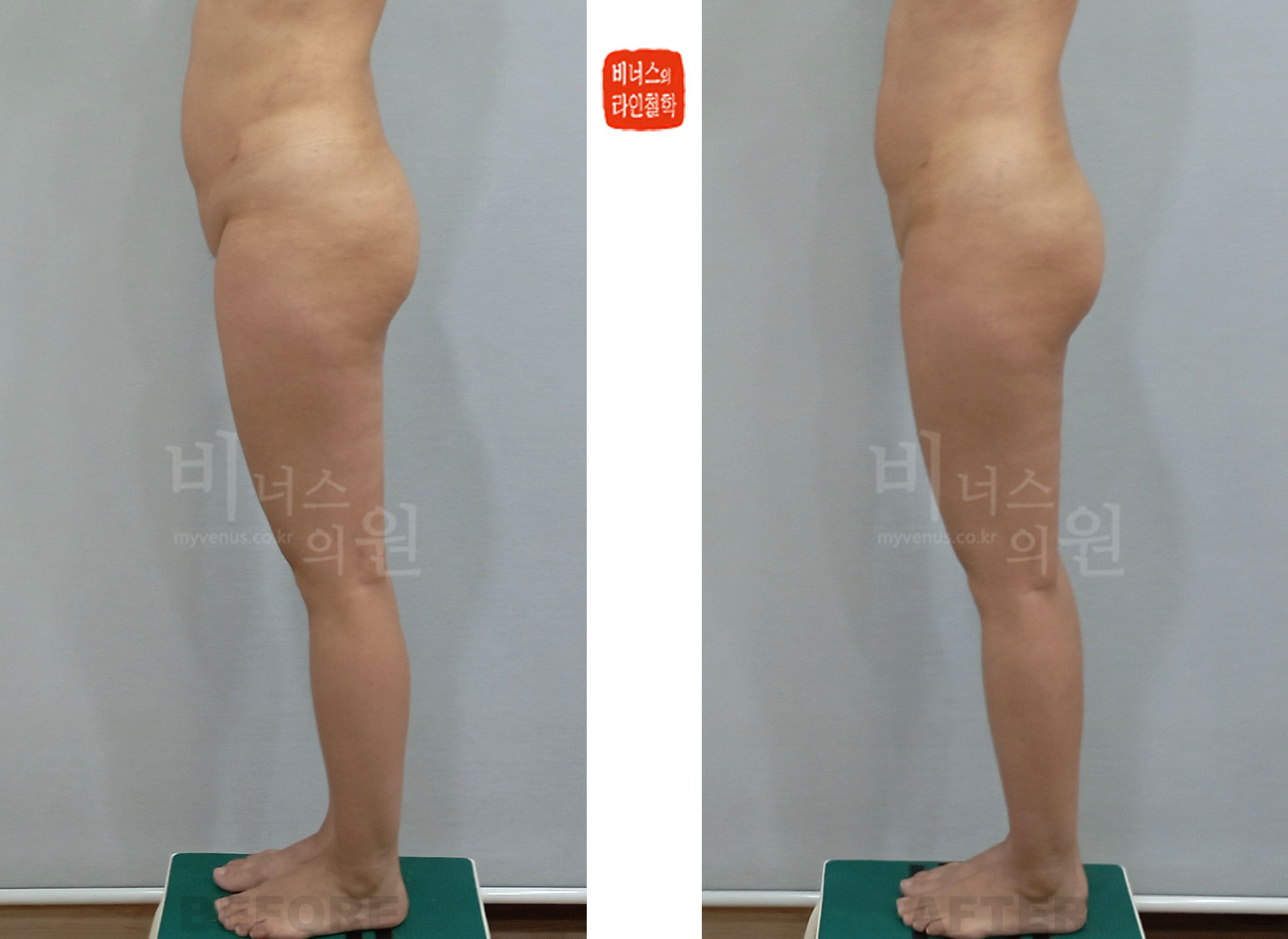
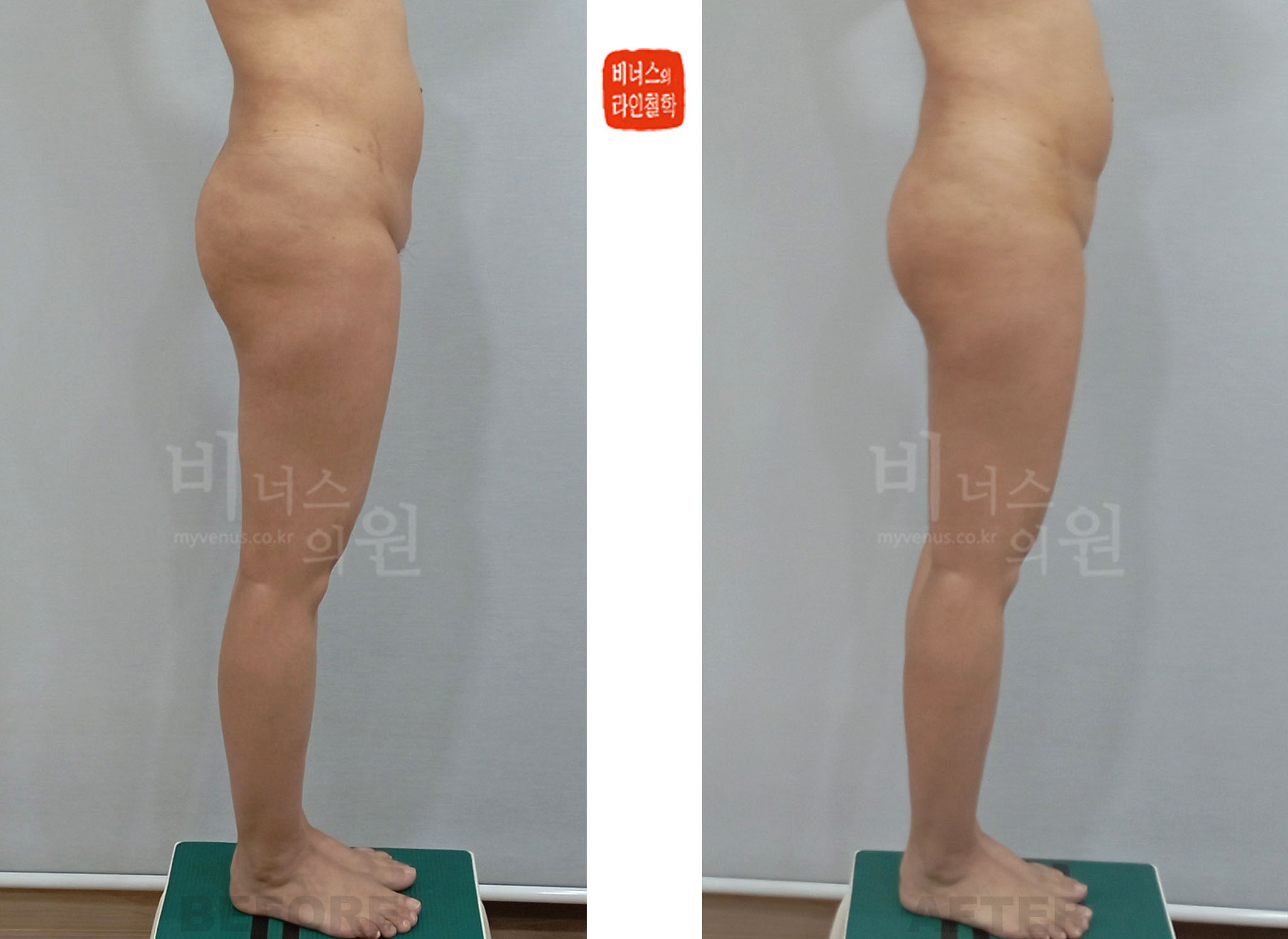
Opposite side views are used to compare the transition from below the lower abdomen through the mons pubis, anterior pelvis, and upper thigh. Side photographs show the front-to-back contour; they do not directly compare inner-thigh width or the space between the thighs.
Case 2: Side Contour of the Mons Pubis, Anterior Pelvis, and Upper Thigh
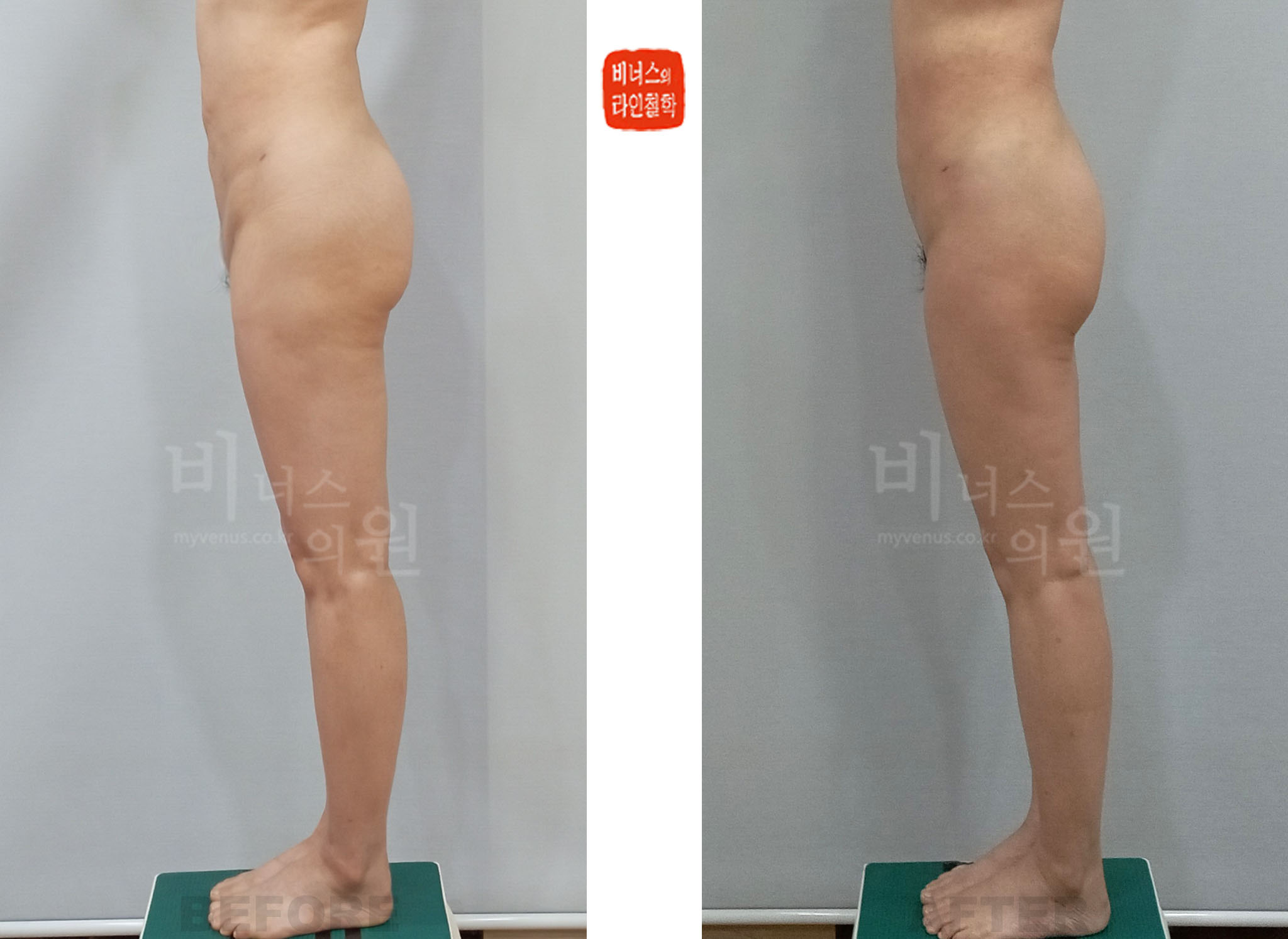
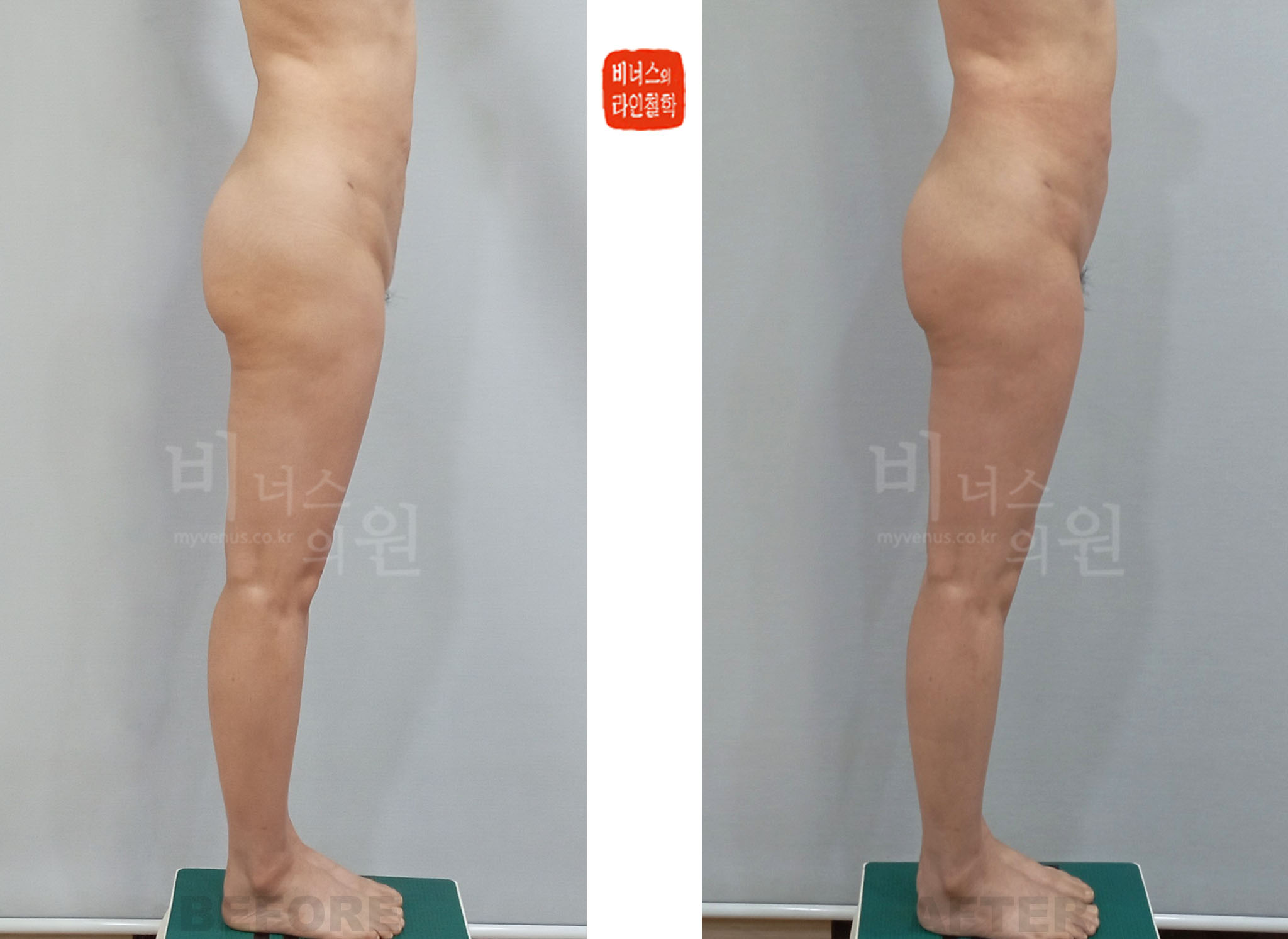
The second case also compares the continuous contour from below the lower abdomen to the mons pubis, anterior pelvis, and upper thigh from opposite directions. Visible changes and outcomes vary with fat distribution, skin elasticity, and recovery.
| Information About the Published Before-and-After Images | |
|---|---|
| Same patient | Before and after photographs within each case show the same patient |
| Photography period | The clinical case above was photographed in 2026; Case 1 and Case 2 were photographed in 2024 |
| Image conditions | Pose and image scale were matched as closely as possible within each case |
| Risks and individual variation | Possible risks include bruising, swelling, contour irregularity, asymmetry, infection, seroma, numbness, and skin laxity. Recovery and outcomes vary between patients. |