Premium Maximer Liposuction - Thoracoabdomen and Back
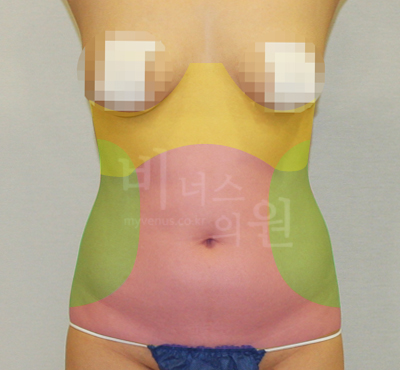
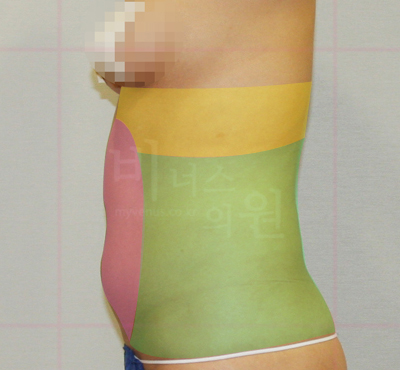
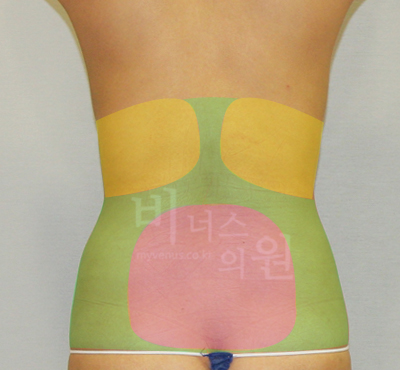
;Premium Maximer Liposuction includes 360-degree circumferential thoracoabdomen and lower back (sacral area) liposuction, covering the upper abdomen, lower abdomen, subcostal area, waist, flanks, love handles, posterior flanks, lumbosacral back, and bra-line back. This represents the maximum treatment area achievable in a single-day abdominal liposuction session. It is ideal for patients with typical upper body obesity.
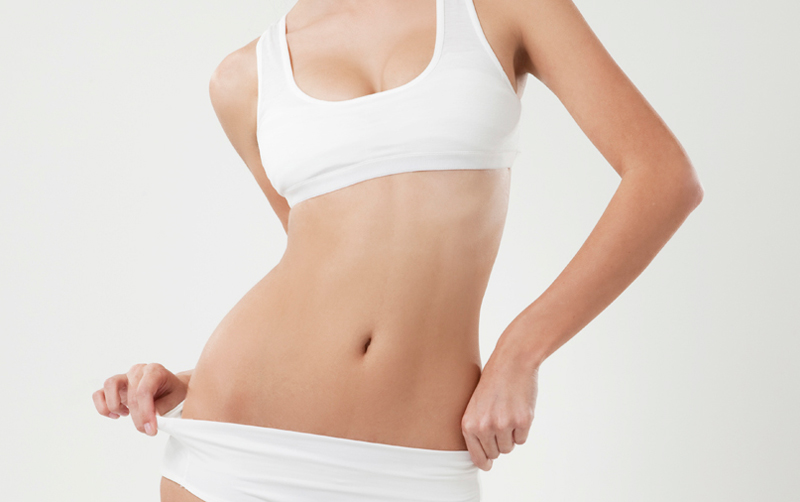
CIRCUMFERENTIAL THORACOABDOMEN
UPPER / LOWER ABDOMEN
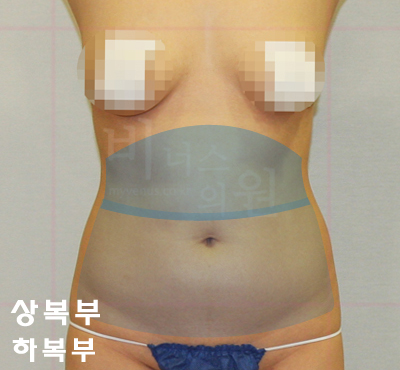
The upper abdomen is particularly prominent in patients with visceral obesity, more commonly seen in men. Most patients experience postprandial abdominal bloating, which significantly improves following liposuction.
The lower abdomen is more commonly affected in women, especially those with abdominal wall laxity following childbirth, typically sagging toward the pubic area. Fortunately, the lower abdomen exhibits excellent postoperative skin retraction, producing outstanding results without the need for skin excision. It is one of the most satisfying areas for liposuction.
THORACIC ABDOMEN
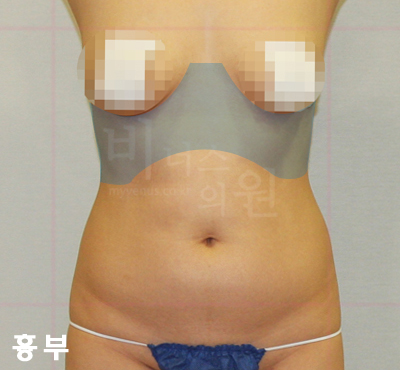
The chest and abdomen are anatomically distinct regions. Fat above the rib cage sits in the thoracic area when lying down but sags into the abdominal region due to gravity when standing, creating folds and wrinkles. Since liposuction is performed in the supine position, neglecting the fat around the ribs and chest will result in postoperative sagging into the abdomen, compromising the overall result.
This area contains abundant deep fibrous tissue with muscles closely overlying the ribs. Misidentifying muscle as fat tissue can lead to muscle damage and hemorrhage, requiring careful surgical technique.
WAIST / FLANKS / LOVE HANDLES (HIPS)
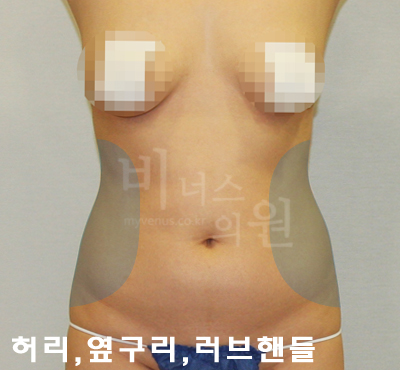
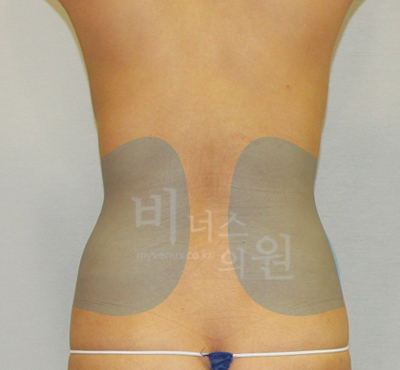
The lateral body contour is defined by the flanks and waist. The protruding portion of the flanks is colloquially called "love handles." These areas create the natural S-curve in women, while in men the lateral contour tends to be straight. The posterior flanks and fat along both sides of the spine are sometimes called the "hips" and "paralumbar area." These regions respond poorly to diet and exercise, and fat tends to accumulate in multiple layers with age, earning the name age-related localized fat deposits (LFD). Patients without severe overall abdominal obesity can restore their youthful S-curve through surgery on just the lateral flanks, waist, and love handles. However, patients with a higher degree of obesity require additional treatment of the love handles and back in the prone position to achieve the desired contour.
SUBSCAPULAR BACKS
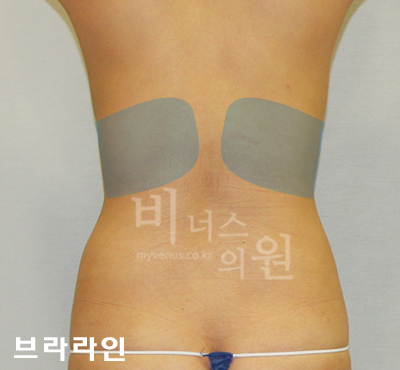
Bulging fat along the bra line is commonly visible when wearing light summer clothing. This is typically caused by hypertrophy of the fat layer above the ribs in the upper flank region. Combining back and bra-line treatment produces highly satisfactory results.
BACK
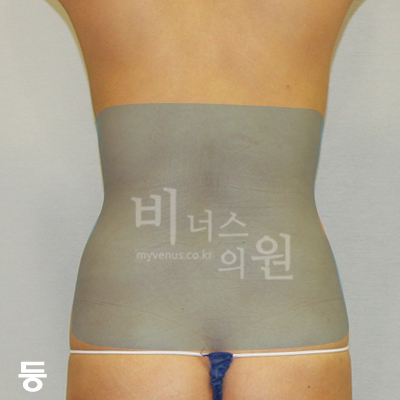
The back is one of the most challenging areas for liposuction due to its abundant fibrous tissue and thick skin, which make suctioning difficult and physically demanding. Postoperative skin contraction is also limited, making satisfactory outcomes harder to achieve. For this reason, laser or advanced ultrasonic fat-dissolving probes are sometimes used to soften the fat prior to suctioning.
The female back differs from the masculine inverted-triangle shape. A feminine appearance is emphasized when the angle between the arm and back approaches 90 degrees, requiring smooth and precise liposuction of the axillary and lateral back areas. The waistline and subscapular back regions, where the bra line passes, are prone to fat accumulation that sags toward the waist in the standing position, potentially creating folds and skin laxity.
Complete removal of the fat layer in these areas is essential for achieving a defined waistline and beautiful back contour. While this region is included in thoracoabdomen liposuction, removing the fat tissue behind the shoulders is equally important to eliminate downward gravitational sagging. The best results are achieved when thoracoabdomen liposuction is combined with arm and back surgery.
PARALUMBAR AREA / LUMBOSACRAL BACK = Lower Back
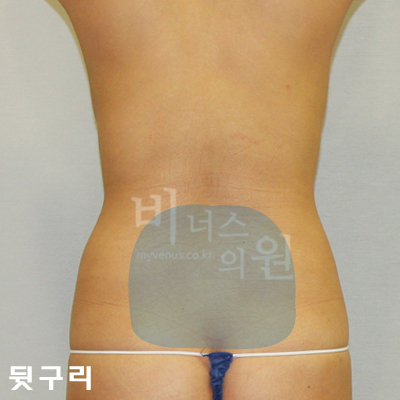
The posterior flanks (paralumbar area) refer to the back region near lumbar vertebrae 3, 4, and 5 and the sacrum, connecting laterally to the love handles. This area is not typically included in standard circumferential abdomen liposuction (Maximer), but since the love handles extend into the back, adding posterior flank liposuction maximizes the lateral body contour.
The fat layer usually consists of two or more layers. Cosmetically, this region extends from the spine to the flanks and determines the S-curve through the depression of the posterior flanks and the prominence of the upper buttocks when viewed from the side. Asian women often have less buttock projection, resulting in a flatter curve. However, removing the paralumbar fat tissue maximizes the lateral silhouette and enhances the overall posterior appearance. The lumbosacral back is part of the lower back and is typically treated together with the paralumbar area.
1. Indications
;Patients with overall upper body obesity, sagging upper abdominal fat, folds below the bra line, and a desire to improve the back contour and achieve a balanced, natural body shape with an enhanced S-line.
;Compared to Maximer abdomen liposuction, the Premium procedure includes the subcostal area and bra-line back. By removing the sagging fat below the chest, it creates a smooth, natural contour from the lower breast to the lower abdomen when viewed from the front. From the side and back, it can emphasize the waistline and even create a waist contour for those who previously had none.
2. Design
;360-degree circumferential thoracoabdomen liposuction from below the breasts to above the pubis.
3. Advantages
- Addresses sub-mammary fat accumulation, resulting in a slimmer abdomen in the standing position compared to lying down.
- Smooths out waist folds below the bra line for a natural, wrinkle-free appearance.
- Covers the maximum treatment area with only 2 to 3 minimal incisions, leaving virtually no visible scars.
- Eliminates the need for boundary blending with adjacent areas, allowing maximum fat removal.
- Creates a beautifully defined feminine waistline by removing fat from the bra-line back and sub-mammary region.
- Produces an S-curve not only from the side view but also from the rear, creating a graceful contour from the back through the buttocks.
4. Venus Clinic Premium Maximer Abdomen Liposuction Cases
CASE I
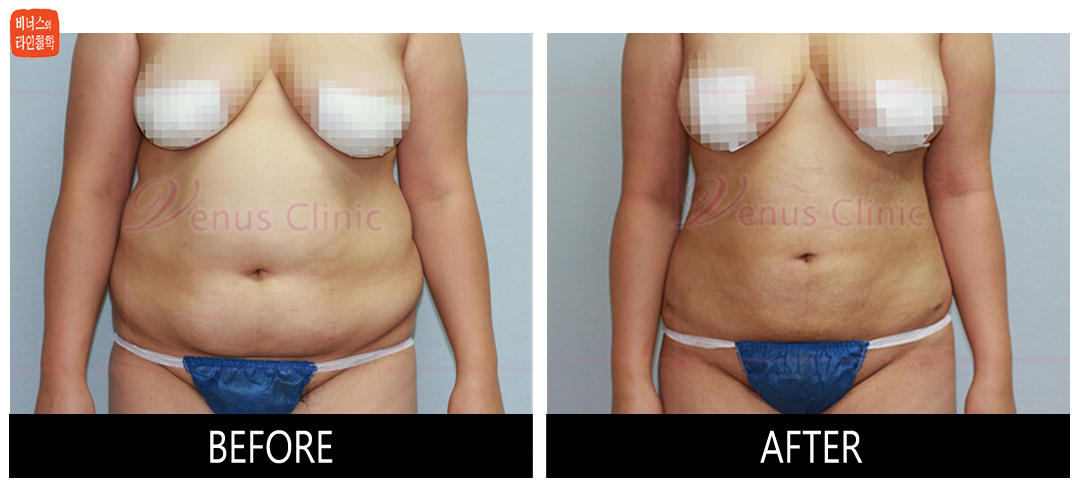
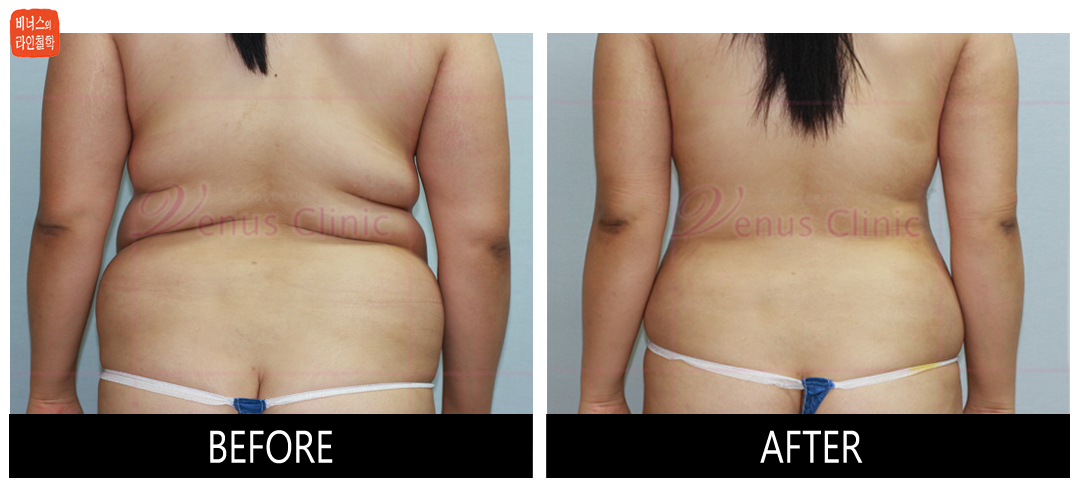
This patient underwent abdomen, flank, and back liposuction at Venus Clinic. Following thoracoabdomen liposuction, the dorsal roll completely disappeared.
A total of 4,000 cc of pure fat was removed.
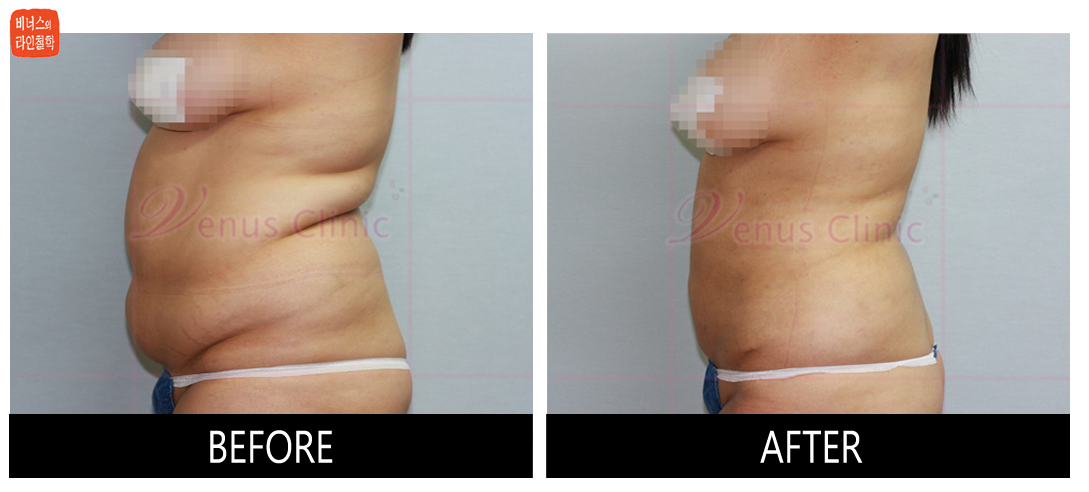
The entire 360-degree abdominal circumference was significantly reduced, and the previously folded areas were smoothed out. Skin retraction produced a smooth surface, restoring healthy, natural body contours.
CASE II
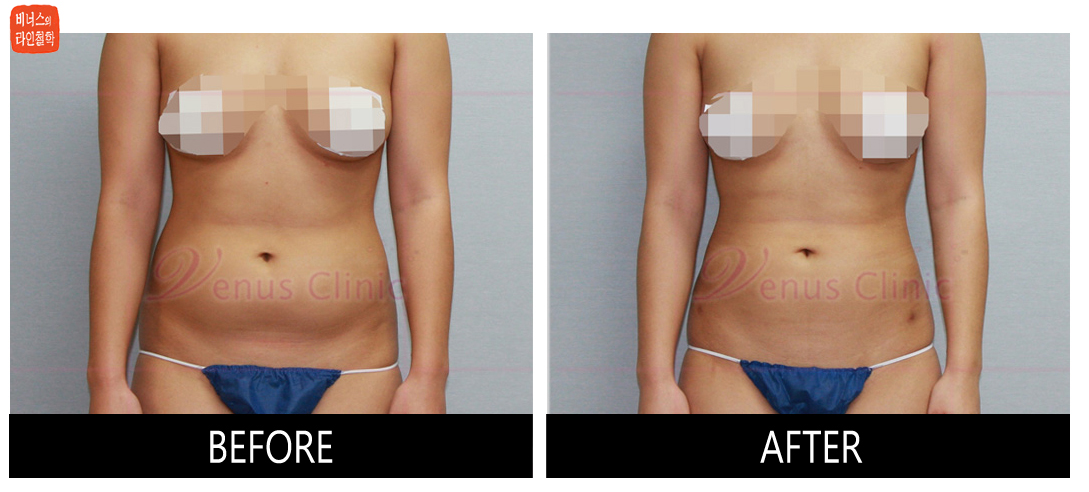
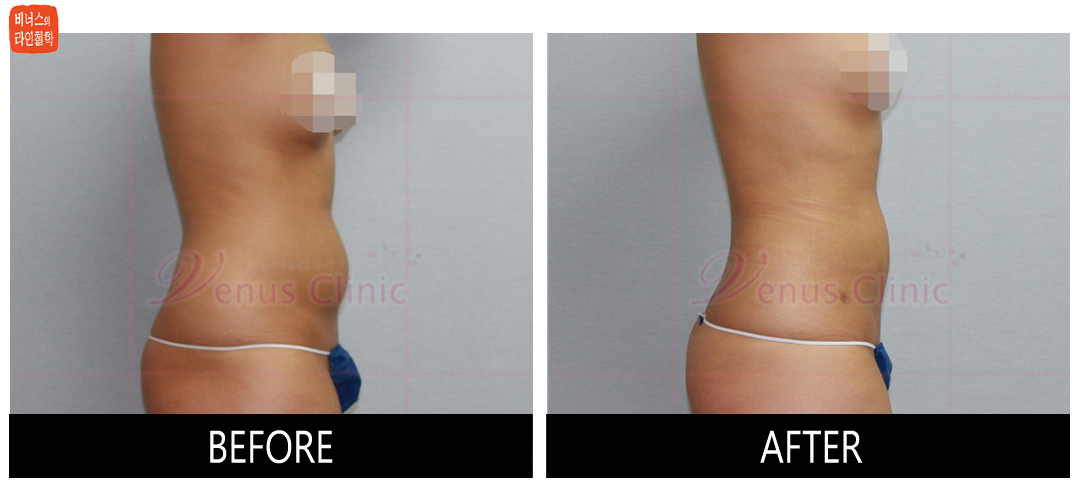
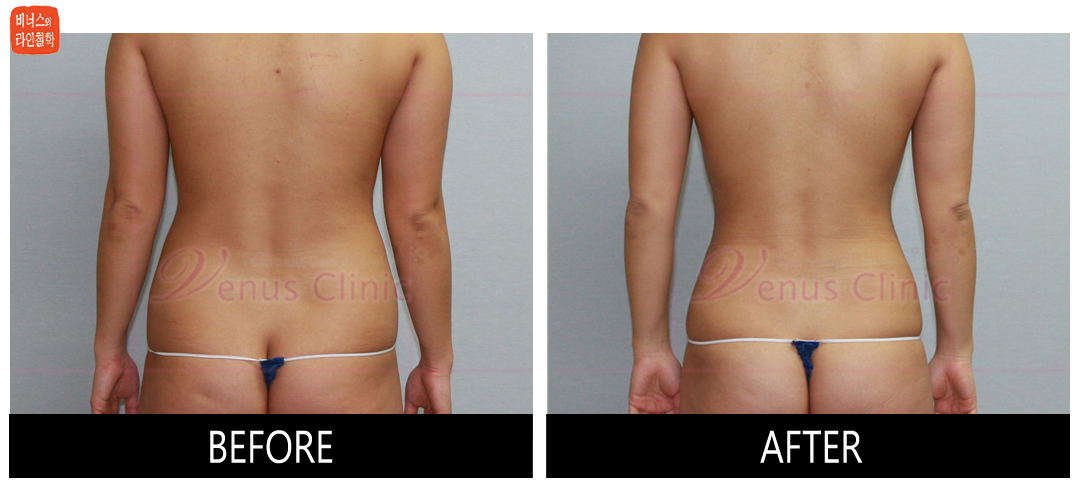
CASE III
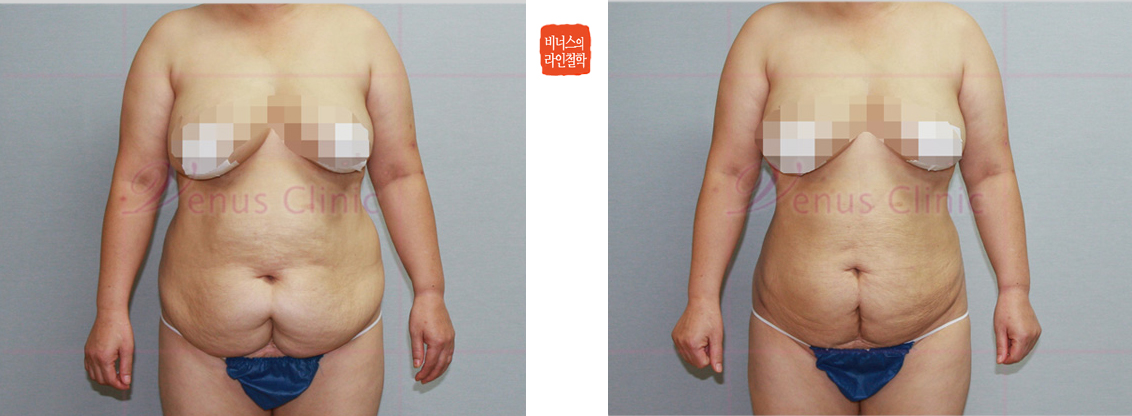
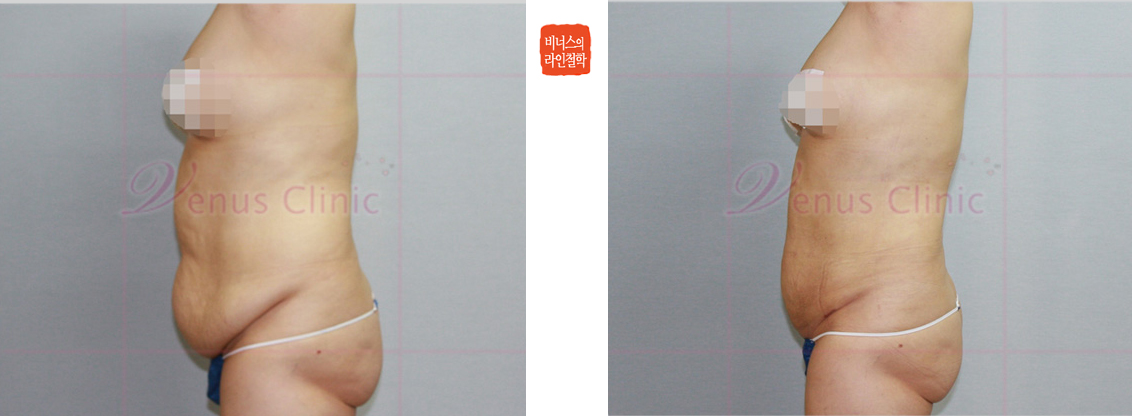
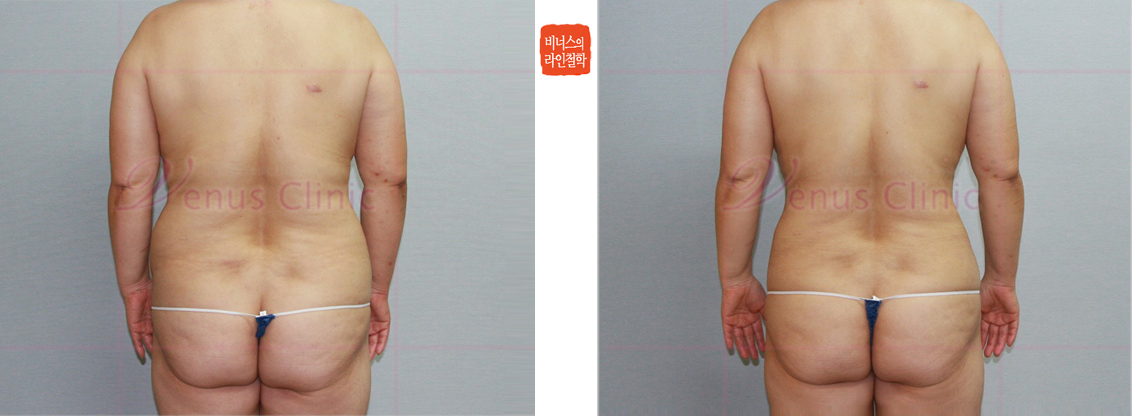
| Information on the Posted Liposuction Before-and-After Photos | |||
|---|---|---|---|
| - Same person | Surgery performed at Venus Clinic; same person | - Date taken | Taken around 2011; comparison at 1 month after surgery |
| - Same conditions | Edited to the same posture and size as closely as possible | - Side effects | https://en.myvenus.co.kr/should_know/38861 |