Calf Liposuction and Remaining Suprapatellar & Medial Knee Fat After Thigh Liposuction
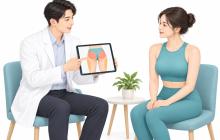
When consulting patients about lower-body contouring, I often hear questions such as, “After thigh liposuction, I feel like I gained fat around the front of my kneecap and the inner knee,” or “My thighs became slimmer, but the fullness around the front and inner side of my knees makes my leg line look disconnected.” The area around the knees and calves plays a key role in shaping the overall lower-leg silhouette from the thighs down to the ankles.
Today, I will explain the anatomical characteristics and surgical principles of calf liposuction, as well as the leg contour improvements that can be achieved when remaining suprapatellar and medial knee fat after thigh liposuction is treated together with the calves, based on medical references.

Why Suprapatellar and Medial Knee Fat Often Remains After Thigh Liposuction
In many cases, fat has not suddenly accumulated around the front of the kneecap or inner knee; rather, when previous thigh liposuction did not include the distal thigh above the knee, the prepatellar area, and the medial knee, the untreated fat in those areas remains and appears relatively prominent. Treating adjacent regions separately often leaves a noticeable step or boundary between the lower thigh and the knee, making the overall leg line look uneven [1].
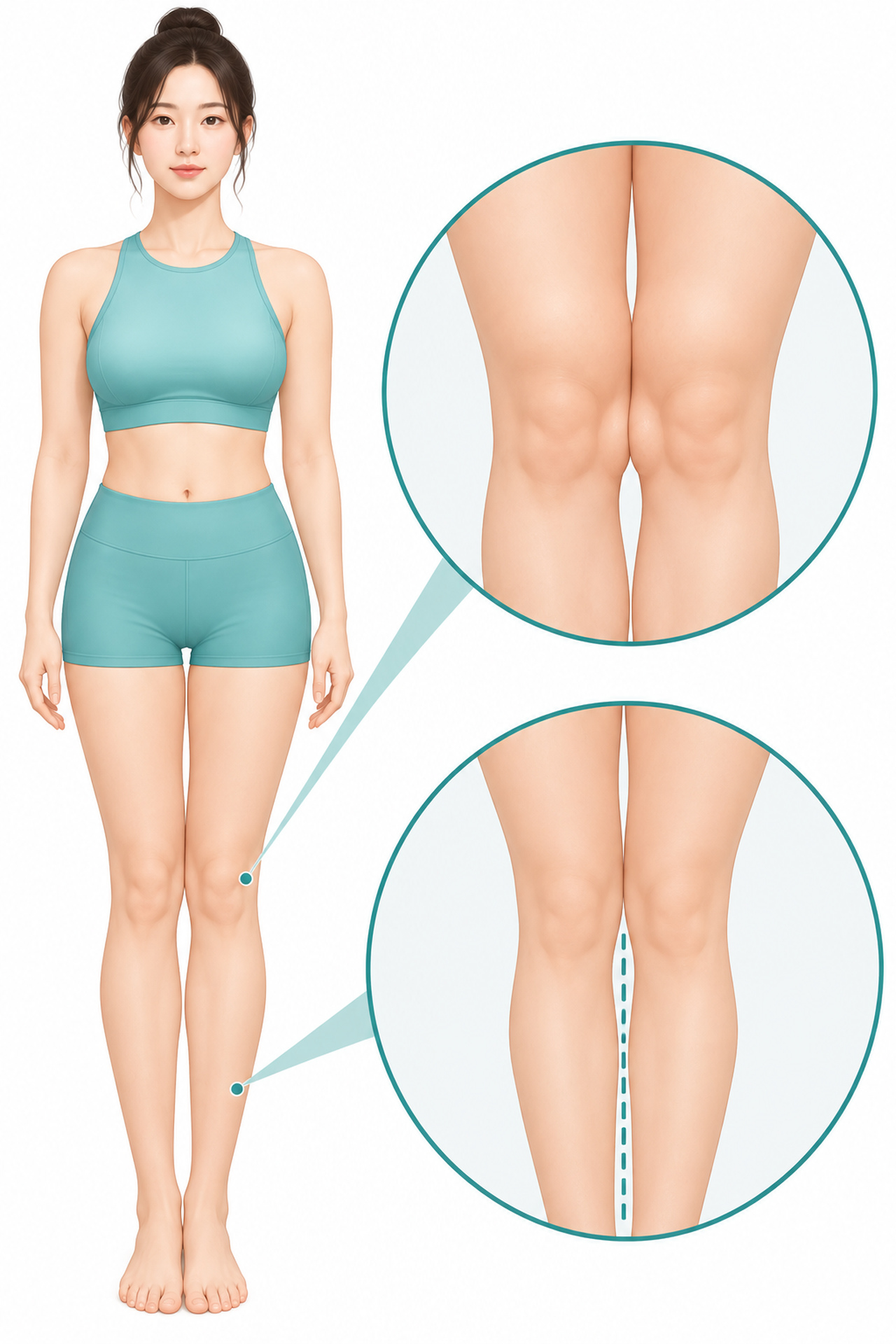
Regional Fat Characteristics and the Importance of Continuous Contouring
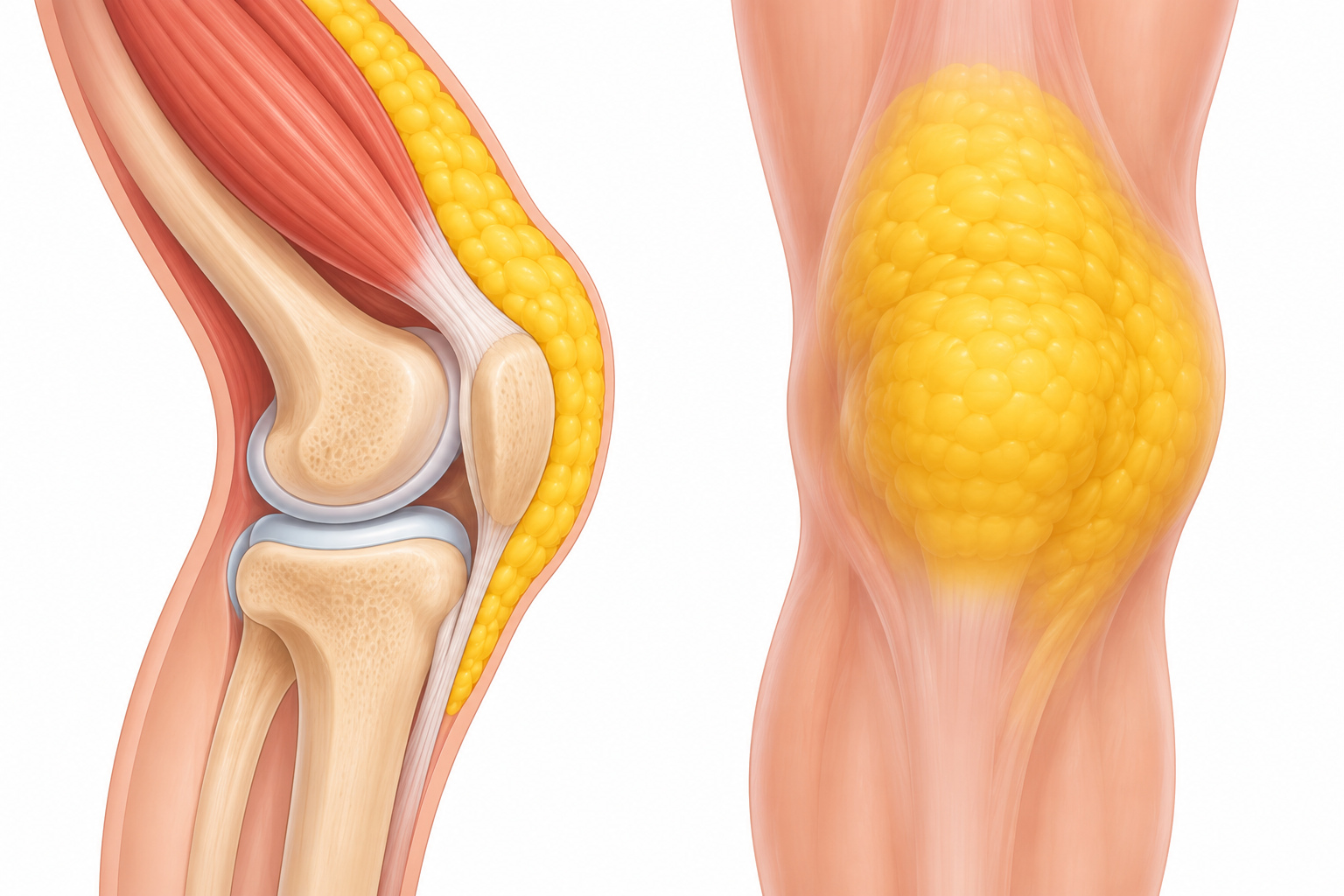
The knee region should transition gradually from the mid-thigh downward without a visible step-off to achieve a smooth contour [2]. The medial knee is prone to fat protrusion, while fat immediately around and above the kneecap (suprapatellar area) tends to be more fibrous with limited skin retraction compared with the distal thigh, requiring careful blending with surrounding areas [1]. Conversely, treating the medial knee, suprapatellar area, and just below the inner knee as a single continuous unit allows a much smoother line from the thighs to the calves [1][2].
| Region | Anatomical Characteristics and Surgical Considerations |
|---|---|
| Medial Knee (Inner Knee) | Fat commonly accumulates here; refining down to just below the inner knee helps create a straighter line from the thigh to the calf [1][2]. |
| Anterior & Suprapatellar Knee | Subcutaneous fat over and above the kneecap contains fibrous tissue and can overhang or indent if over-resected, requiring delicate blending with microcannulas [1]. |
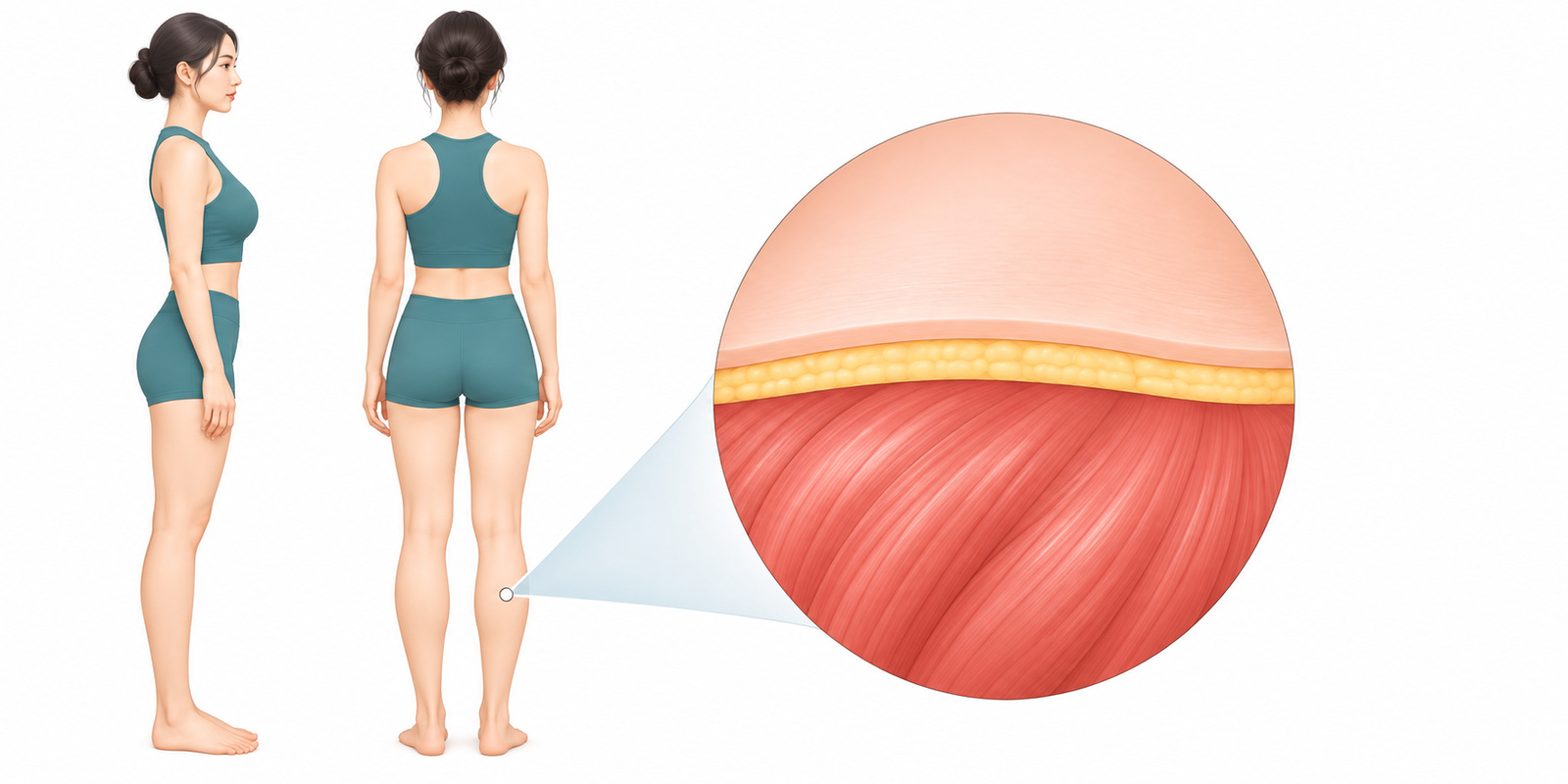
| Calf (Lower Leg) | Almost no fat lies over the anterior tibia, and a single thin layer of fat is concentrated medially and posteriorly, requiring even circumferential aspiration while respecting muscle and bone structure [2][4][6]. |
Anatomical Characteristics and Surgical Principles of Calf Liposuction
Disproportionate fat distribution in the calves is often genetically determined and difficult to address through exercise or diet alone. Because the lower leg has virtually no fat over the anterior tibia and consists of a single subcutaneous fat layer curving circumferentially around the medial and posterior aspects, it requires a highly delicate surgical approach [2][4].
Preoperative Evaluation and Microcannula Technique
At Venus Clinic, we carefully evaluate muscle development and subcutaneous fat thickness before surgery in standing, tiptoe-standing, and lying positions, and perform a pinch test to confirm adequate fat thickness for aspiration [3]. During preoperative marking, protruding fat above the kneecap and at the medial knee is outlined in smooth oval zones so that the area connects continuously down past the inner popliteal crease into the calf and down to just above the ankle along anterior and posterior reference lines. Using fine microcannulas such as 2–2.5 mm or 16-gauge cannulas, unwanted fat is thoroughly removed while smoothing the surface to avoid irregularities [1][6]. Around the knee, cannulas are oriented mainly longitudinally rather than transversely to minimize injury to blood vessels and lymphatics beneath the dermis and over the medial condyle, and small incisions are placed in well-hidden areas such as just below the posterior popliteal crease [1][2].
Limitations and Recovery Considerations for Calf and Knee Liposuction
The overall silhouette of the calf depends heavily on underlying muscle and bone structure as well as fat. Therefore, muscular calves with less than 2 cm of fat on the pinch test may show limited circumferential reduction from liposuction alone [3]. Overly aggressive superficial liposuction at the medial knee can injure lymphatic vessels and lead to prolonged serosanguinous drainage or seroma, and when the knee is bent at 90 degrees after medial knee fat reduction, a slight natural concavity may appear [1]. Because circumferential lower-leg liposuction can cause pitting edema that lasts longer than in other body areas, avoiding prolonged standing and keeping the legs elevated above heart level during recovery are recommended [7].
Natural Proportions and Evaluating Ankle Edema
Overcorrection of the calves and ankles can create an unnatural, overly masculine contour or increase the risk of nerve injury and surface irregularities [3][5]. In addition, when swelling extends into the feet, medical causes such as venous insufficiency or lymphatic stasis must be differentiated before considering surgery [6]. Planning within a balanced range tailored to each patient’s skin elasticity, fat distribution, and potential weight fluctuations is essential.
Advantages of Combining Calf Liposuction with Suprapatellar and Medial Knee Liposuction
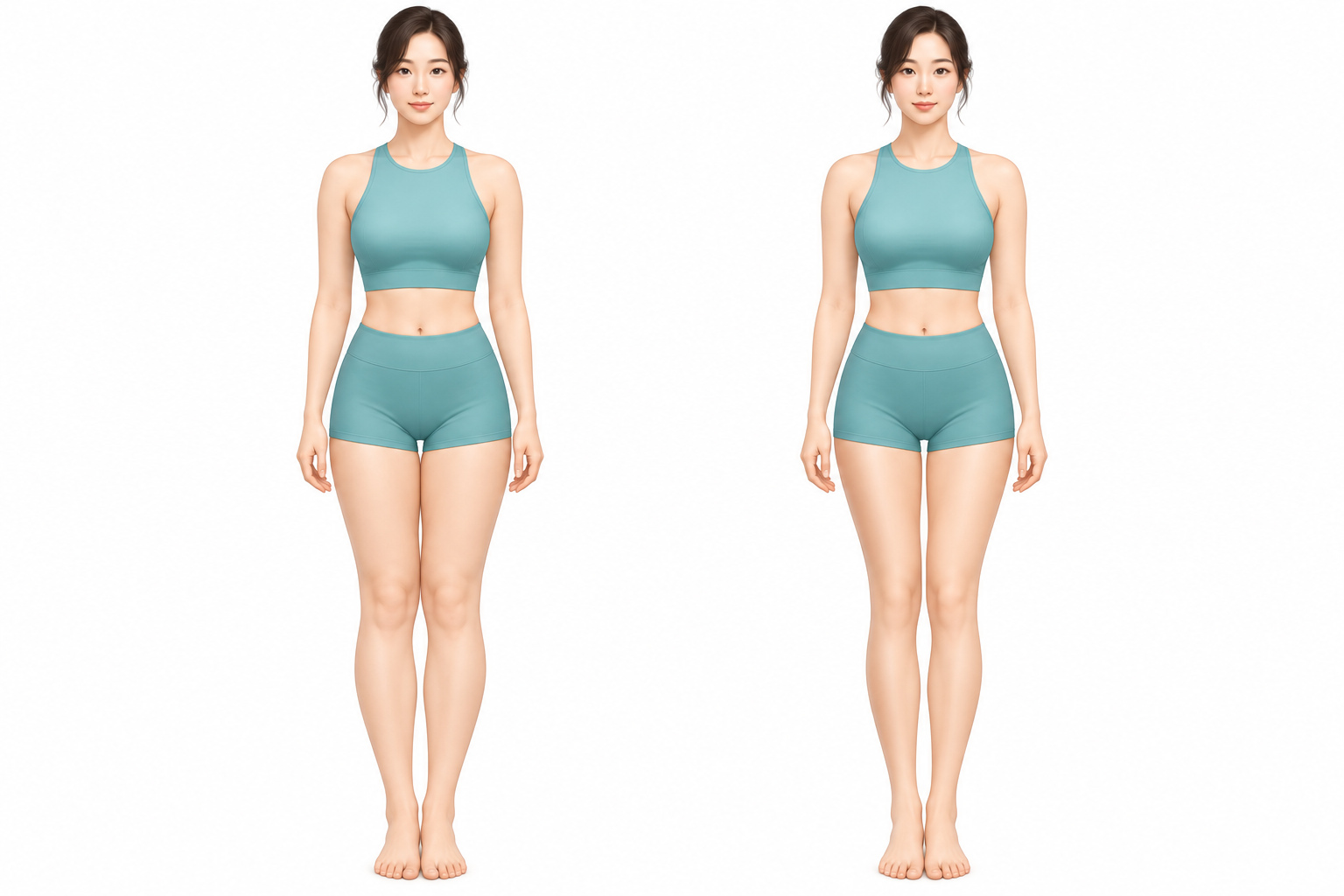
1. Continuous Straight Leg Contour and Improved Bowleg (O-Leg) Appearance
When fat remains above and on the inner side of the knees after thigh liposuction, the legs can look shorter or bulky around the knee joint. In particular, prominent medial knee fat pads can cause only the inner knees to touch while leaving a gap below, creating a curved bowleg (O-leg) visual impression beyond the actual bone alignment. Removing suprapatellar and medial knee fat together with calf liposuction reduces that inner knee bulge, softens the bowleg-like curve, and creates a smoother, straighter line from the thighs through the knees to the calves [1].
2. Smooth Transition Without Boundary Lines
Treating adjacent regions separately often creates a visible step-off at the border, whereas planning the knee area and calves as a single continuous aesthetic unit prevents harsh demarcation lines and harmonizes overall lower-body proportions [1][2].
References
- Klein JA. Tumescent Technique: Tumescent Anesthesia & Microcannular Liposuction. Mosby; 2000. Chapter 34, Medial Thighs, Knees, and Anterior Thighs.
- Shiffman MA, Di Giuseppe A. Liposuction: Principles and Practice. Springer; 2006. Chapter 28, Superficial Liposculpture: Rationale and Technique.
- Duncan DI, et al. Enhanced Liposuction. Springer; 2022. Chapter 21, Complications and Solutions for Post-Operative Liposuction Deformities.
- Coleman WP, et al. Liposuction of the calves and ankles. J Dermatol Surg Oncol.
- StatPearls Publishing. Anatomy, Bony Pelvis and Lower Limb: Calf. NCBI Bookshelf.
- Shiffman MA, Di Giuseppe A. Liposuction: Principles and Practice. Springer; 2006. Chapter 39, External Ultrasound and Superficial Subdermal Liposuction.
- Klein JA. Tumescent Technique: Tumescent Anesthesia & Microcannular Liposuction. Mosby; 2000. Chapter 8, Miscellaneous Complications & Chapter 11, Postliposuction Edema.
Before-and-After Photos
This case shows circumferential calf liposuction combined with suprapatellar and medial knee liposuction. All postoperative photos were taken at 1 week after surgery, an early stage when mild swelling and bruising may still be present and contours continue to refine over time.
Before-and-After Photos (Front & Back Views)
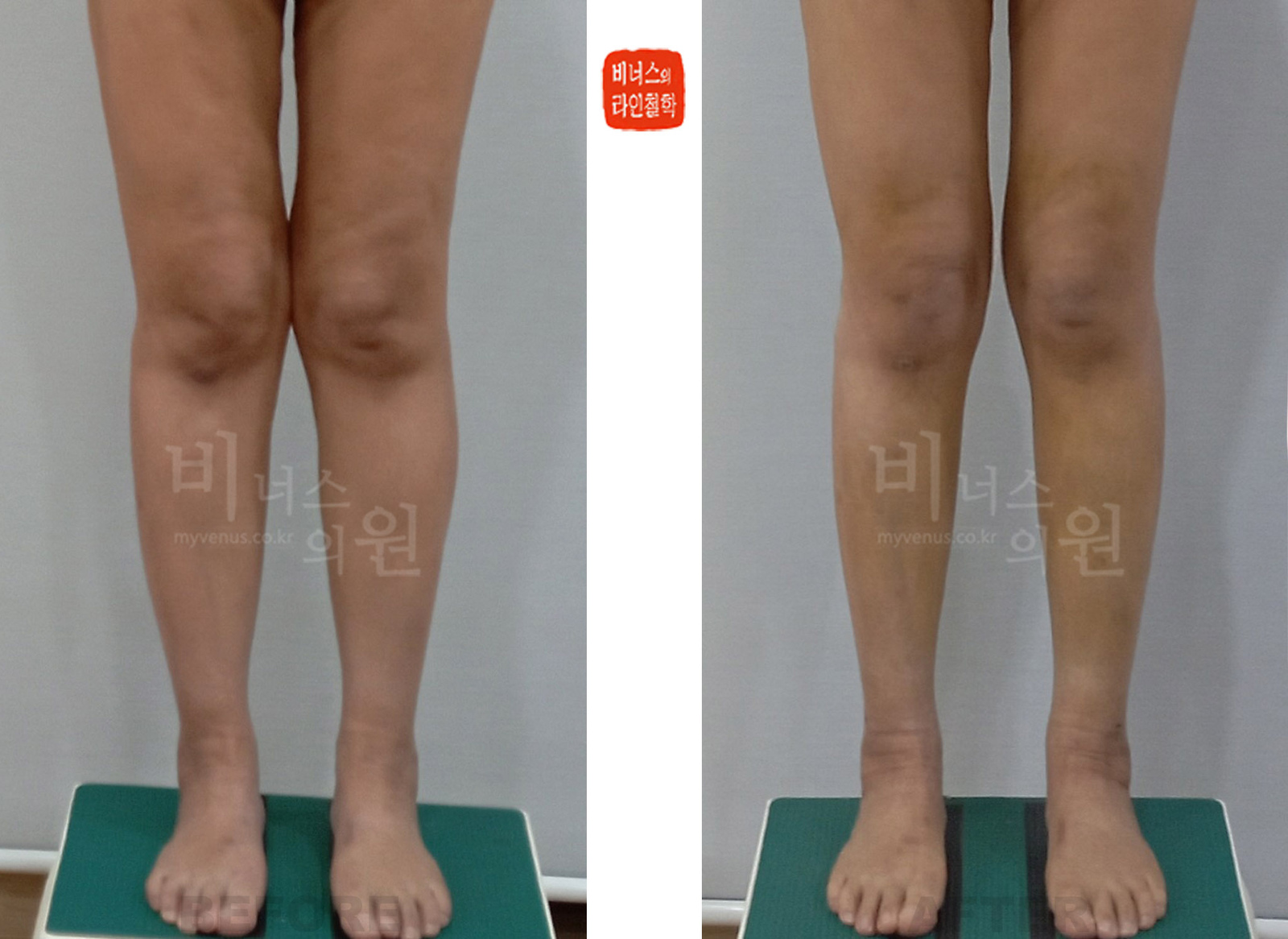
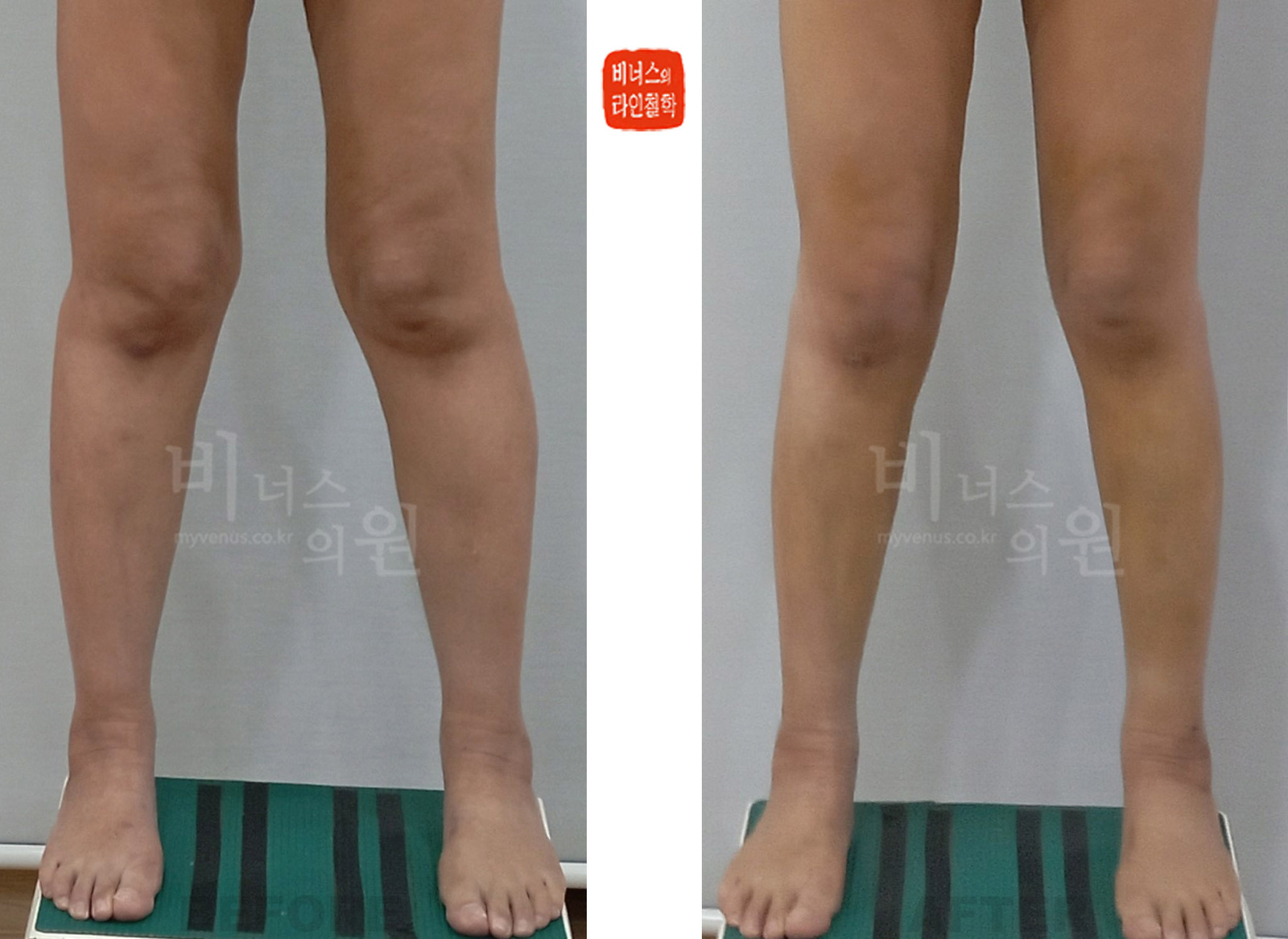
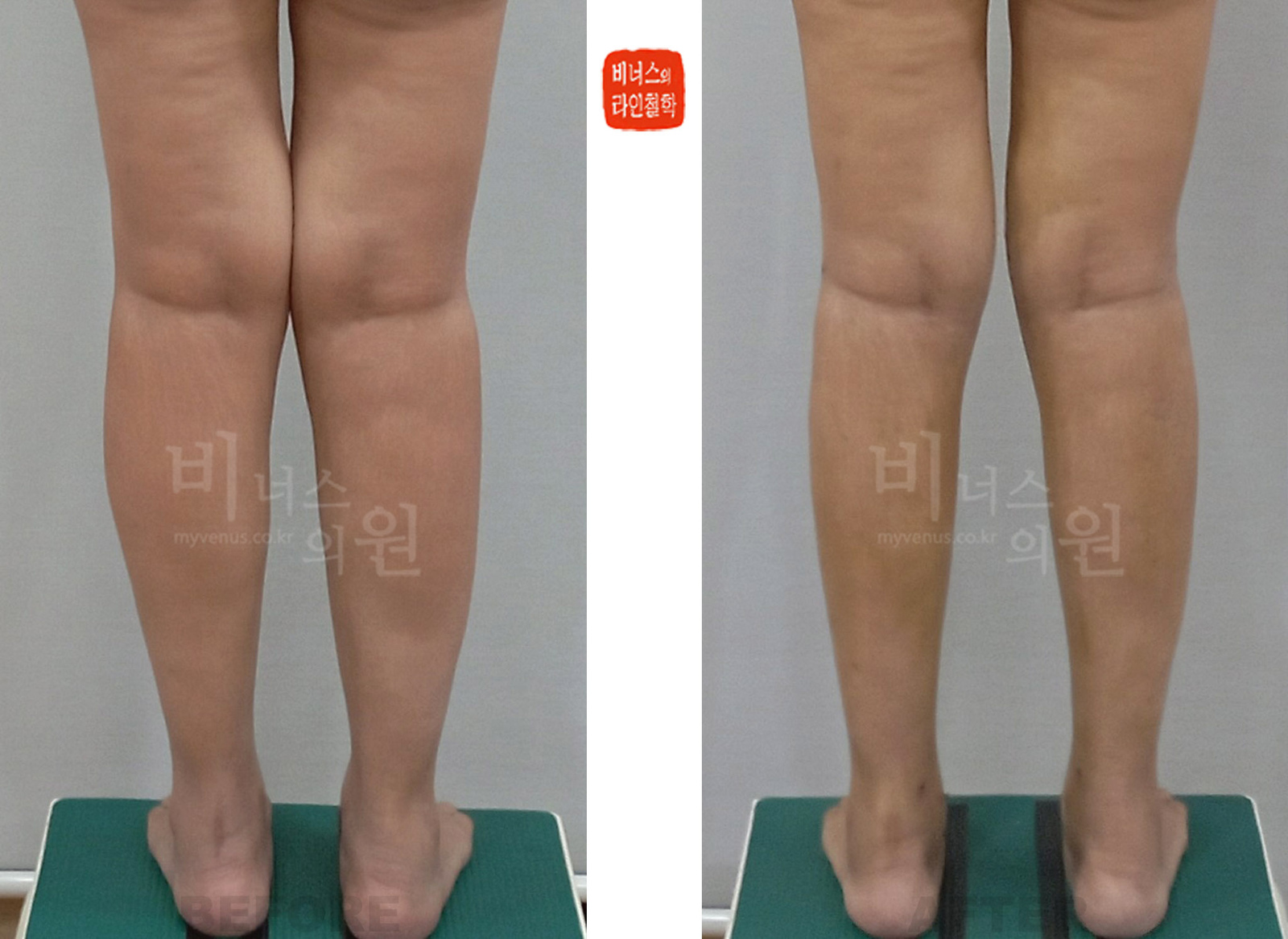
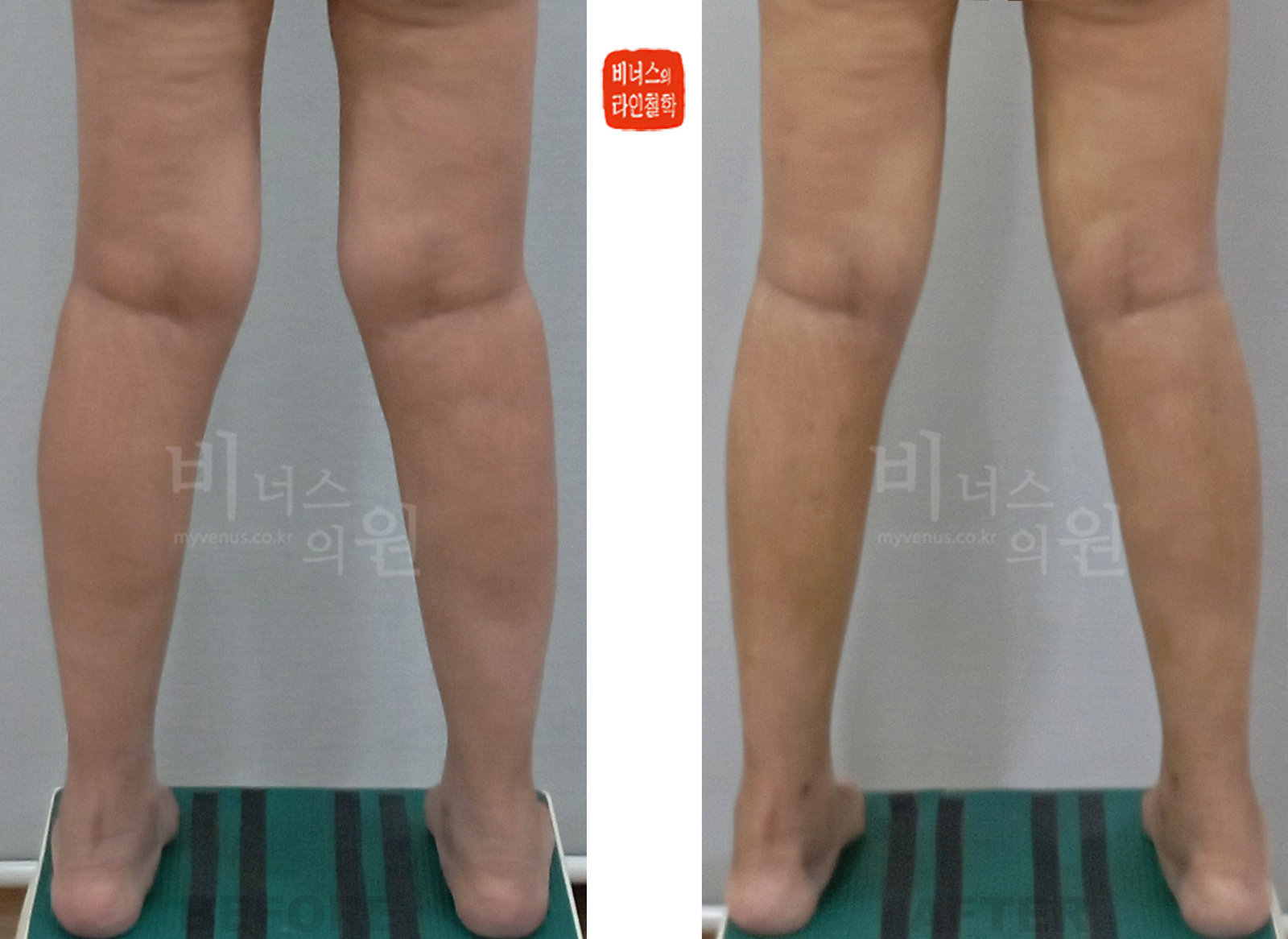
This patient underwent circumferential calf liposuction together with suprapatellar and medial knee liposuction. As seen in both the front views (legs together and apart) and back views (legs together and apart), removing fat above and on the inner side of the knees smoothed the bowleg-like inner curve and straightened the leg line from the thighs to the calves, improving overall leg proportions.
| Information on the Posted Liposuction Before-and-After Photos | |
|---|---|
| - Same person | Surgery performed at Venus Clinic; same person |
| - Date taken | Taken around 2024; comparison at 1 week after surgery |
| - Same conditions | Edited to the same posture and size as closely as possible |
| - Side effects | https://en.myvenus.co.kr/should_know/38861 |
In Closing
Calf liposuction is not simply about reducing circumference; harmonizing the suprapatellar and medial knee areas is equally important for a balanced lower-leg silhouette. If your leg line feels uneven due to remaining fullness around the knees after thigh liposuction, consider a comprehensive plan that evaluates the calves and knees together. At Venus Clinic, we carefully assess individual muscle structure, fat thickness, and lower-body proportions to perform safe and balanced contouring.
References: Calf Liposuction Guide Area-Specific Considerations
Dr. Hakjun Kim, Director, Venus Clinic