Maximer Liposuction - Upper and Lower Abdomen, Flanks, Love Handles
;Upper and lower abdomen liposuction, including the upper abdomen, lower abdomen, flanks, and love handles.

UPPER AND LOWER ABDOMEN
The abdomen is the most commonly requested area for liposuction among both men and women, and it is also one of the most rewarding areas due to the high level of postoperative satisfaction. Unlike other body parts, the abdomen has a broad, flat surface, so it is essential to remove fat evenly while preserving a thin layer of subcutaneous fat to achieve a smooth, natural result.
The lower abdomen consists of two distinct fat layers. Within the superficial fascial system, the fascia in the lower abdomen is uniquely named Scarpa's fascia, which divides the fat layer into a superficial layer and a deep layer. As we reach adulthood, the deep fat layer thickens, causing the lower abdomen to protrude. Therefore, complete removal of the deep fat layer during liposuction is essential to prevent future fat re-accumulation.
Fortunately, even when the lower abdominal skin is loose or wrinkled, it contracts well after surgery, providing excellent results through liposuction alone without the need for skin excision.
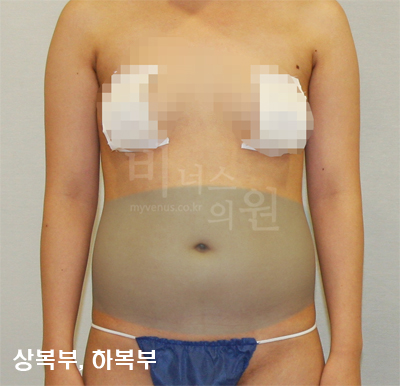
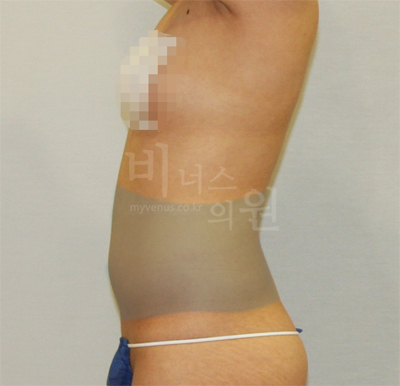
Unlike the lower abdomen, the upper abdomen has primarily a single large fat layer comprising the areolar layer (superficial) and the lamella layer (deep), although the central area may contain multiple layers. The waist area presents challenges due to fascial fibrous tissue adhesions to the skin, making access to the upper abdomen difficult. Additionally, the protrusion of the rib cage makes complete fat removal from the upper abdomen more challenging. The upper abdomen also contains more fibrous tissue than the lower abdomen, which may result in greater bleeding during surgery.
Postoperatively, the upper abdomen exhibits less skin contraction compared to the lower abdomen, which may result in residual skin laxity or a slightly bulging appearance. Furthermore, unlike the lower abdomen, the upper abdomen can bend, creating horizontal folds that protrude and may be mistaken for residual fat. Patients should understand this distinction. In cases where fat removal is incomplete, revision surgery may occasionally be necessary.
FLANKS (LOVE HANDLES)
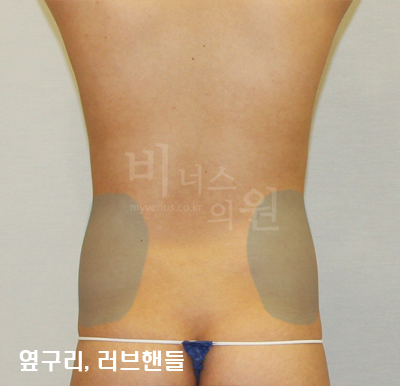
The flanks refer to the lateral aspect of the trunk, extending from the iliac crest upward to the lower costal cartilage. In women, this area is sometimes called the "hips," and the protruding portion of the flanks is colloquially known as "love handles."
The posterior flanks and the area connecting to the back are known as the posterior flanks or paralumbar area and the lumbosacral back (lower back). The skin in this region is thick, and it is difficult to access from lateral incisions alone. For those who desire treatment of this area, additional incisions in the prone position are required. Operating in the prone position allows complete fat removal from the posterior flanks and lower back, maximizing the lateral body contour. The Premium abdomen liposuction includes these areas, so please also consider the Premium procedure.
The flanks generally consist of two fat layers, similar to the lower abdomen. Excess calories are converted to fat and stored primarily in the deep layer, which is why the waistline gradually disappears with age. This fat is often referred to as age-related localized fat deposits (LFD). Thorough and complete suctioning of this area yields excellent postoperative results.
1. Indications
;Patients with moderate obesity who do not have significant fat accumulation below the chest, show no sagging tissue when standing, and have no folds along the bra line on the back are ideal candidates for Maximer liposuction.
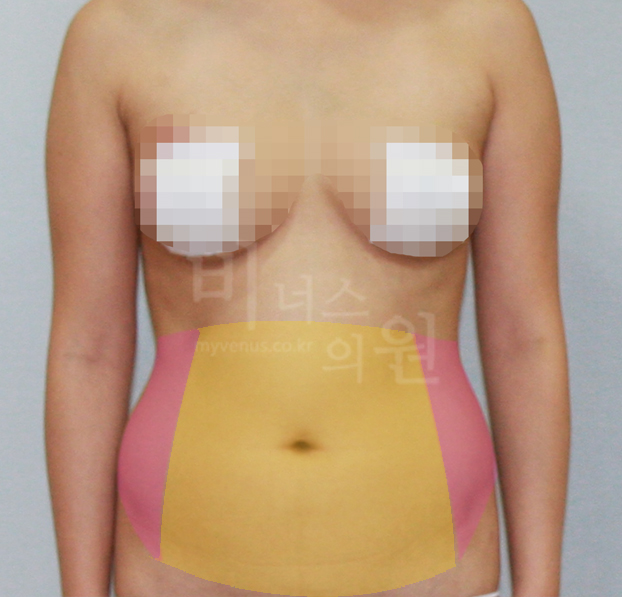
;The goal of Maximer abdomen liposuction is to remove excess fat from the upper and lower abdomen while simultaneously addressing the flanks (love handles), achieving a natural abdominal contour at a reasonable cost.
2. Design
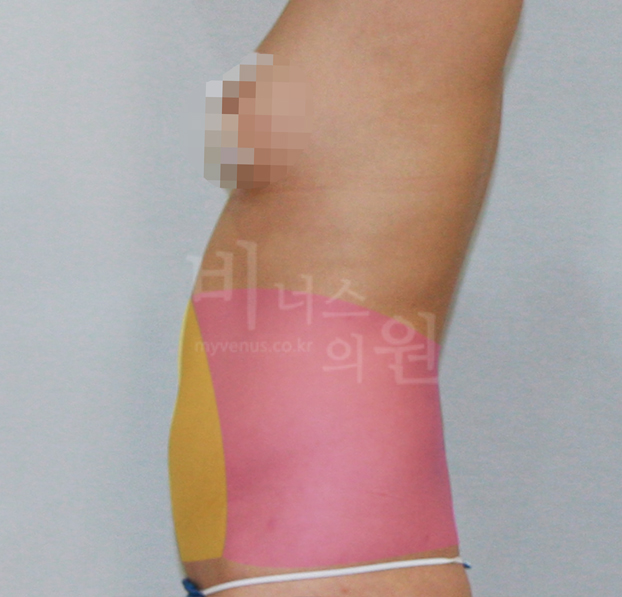
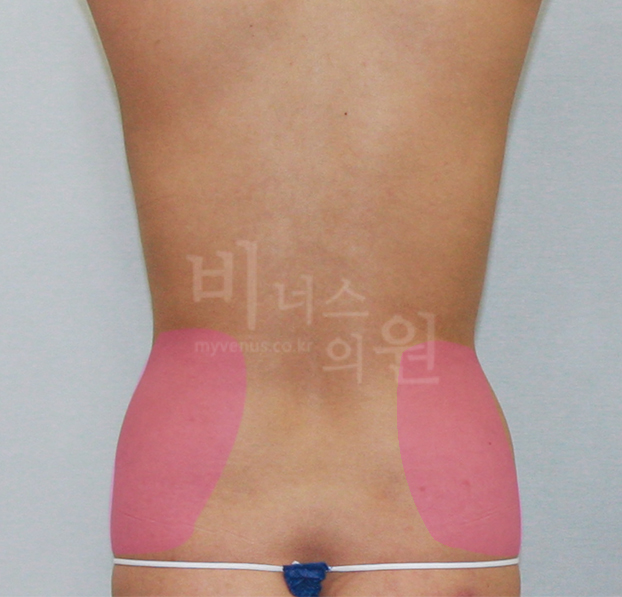
This procedure corresponds to the standard abdomen and flank liposuction performed at most clinics. The key difference from Premium Maximer liposuction is that it does not include the thoracic abdomen, bra-line back, posterior flanks (paralumbar area), lumbosacral back, or lower back. Since surgery is not performed in the prone position, posterior flank protrusions cannot be fully addressed. The treatment area can be extended toward the waist line, and costs may vary accordingly.
3. Advantages
- As a 360-degree circumferential liposuction for moderately overweight patients, it produces a naturally balanced body contour.
- Offers excellent value compared to Premium Maximer liposuction.
- Only 2 minimal incisions are required, so scarring is virtually invisible.
- Particularly effective for patients with anterior abdominal protrusion, especially around the navel area.
- Improves clothing fit by removing excess fat from the flanks (love handles); however, for complete removal of posterior flank fat, the Premium procedure including the paralumbar area and back is recommended.
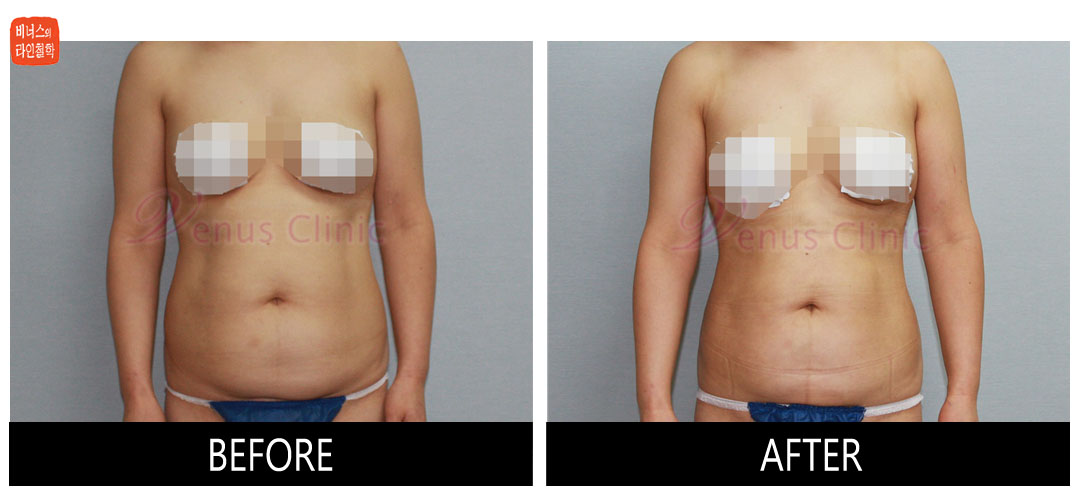
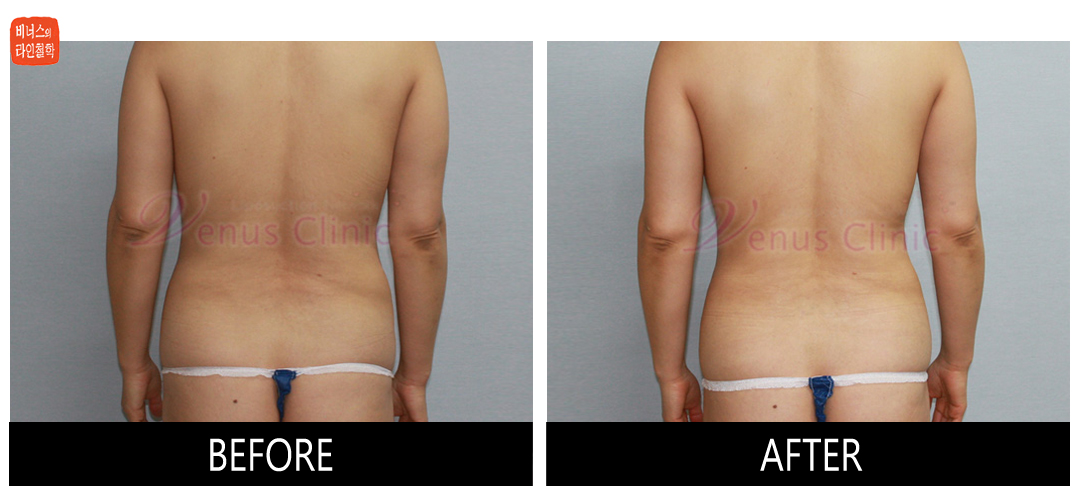
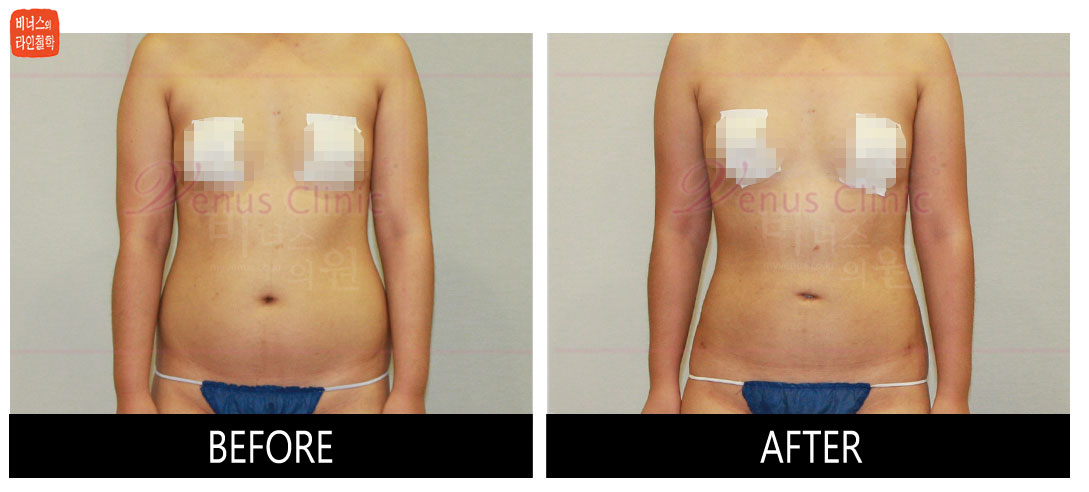
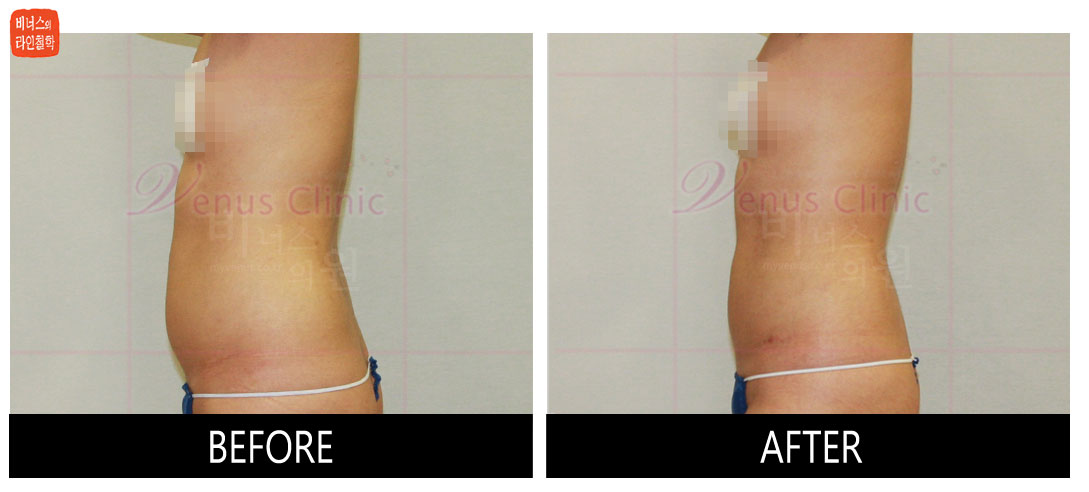
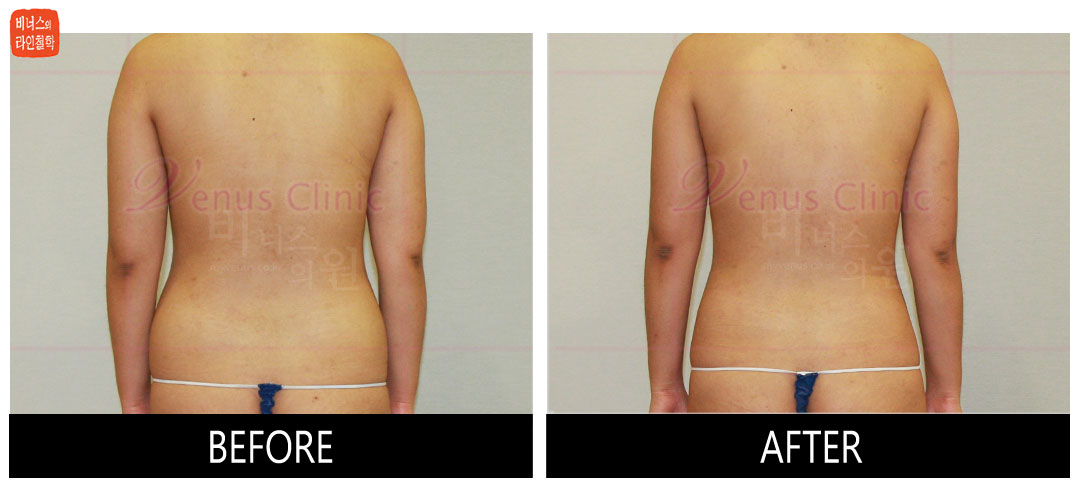
4. Venus Clinic Maximer Abdomen Liposuction Cases
CASE I
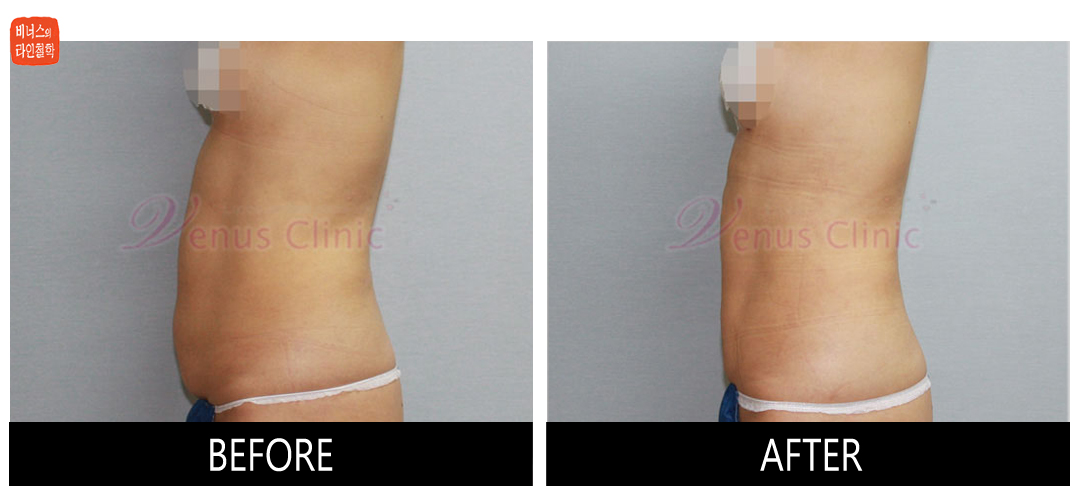
CASE II
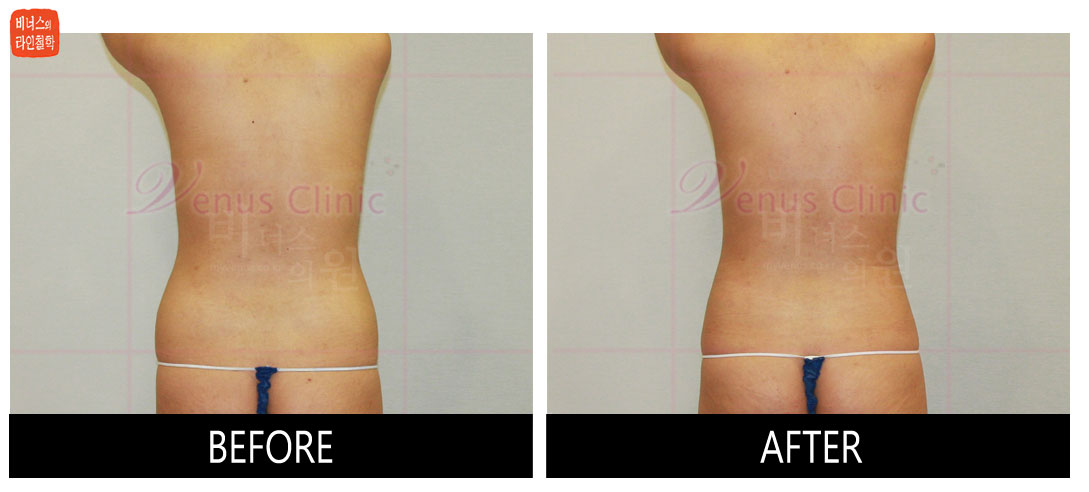
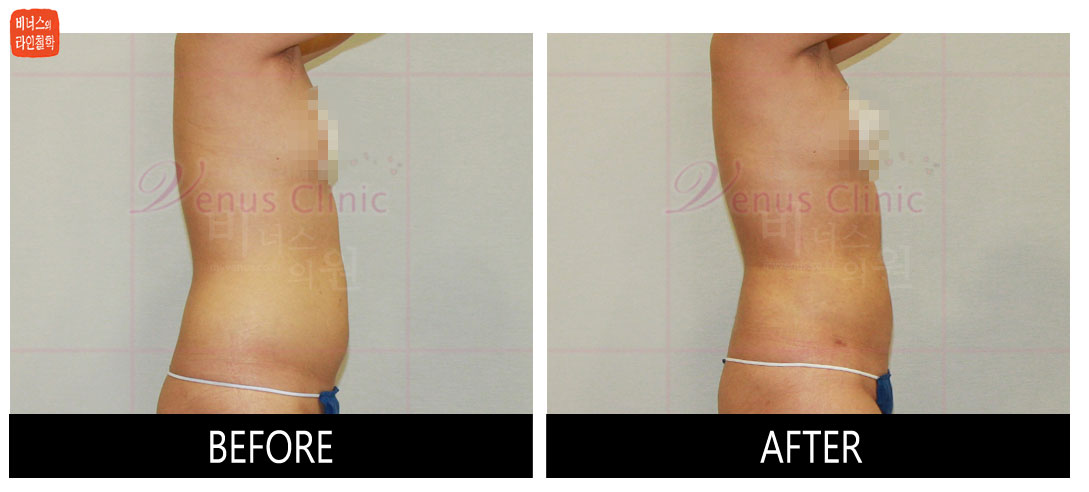
CASE III
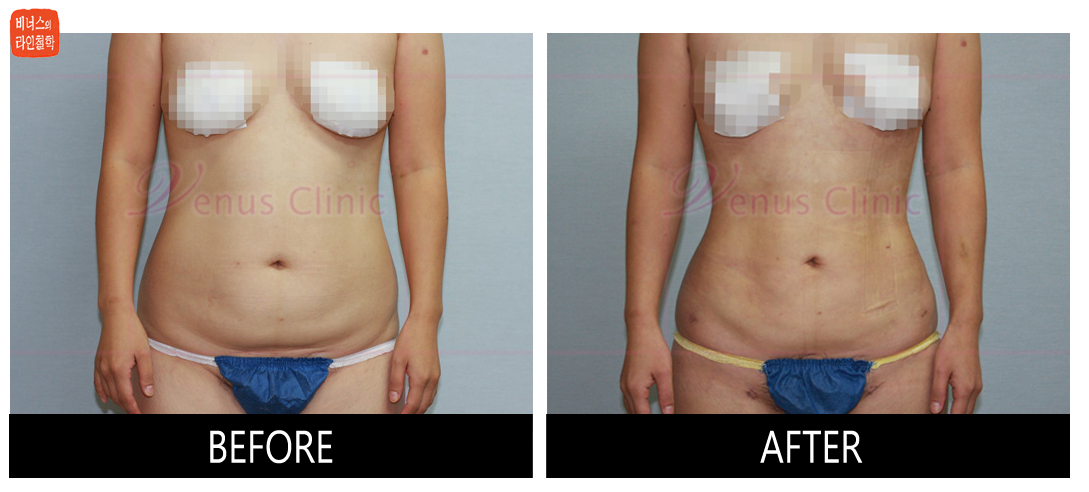
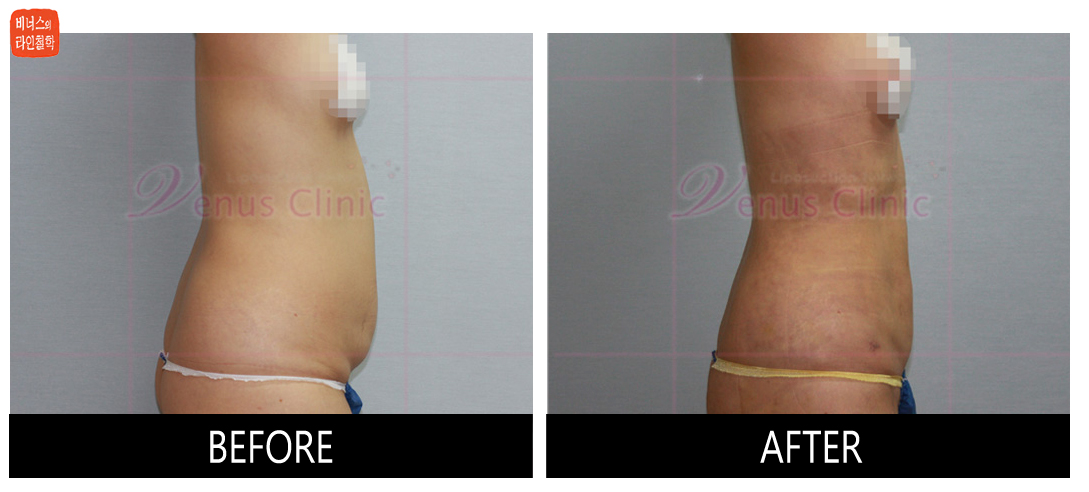
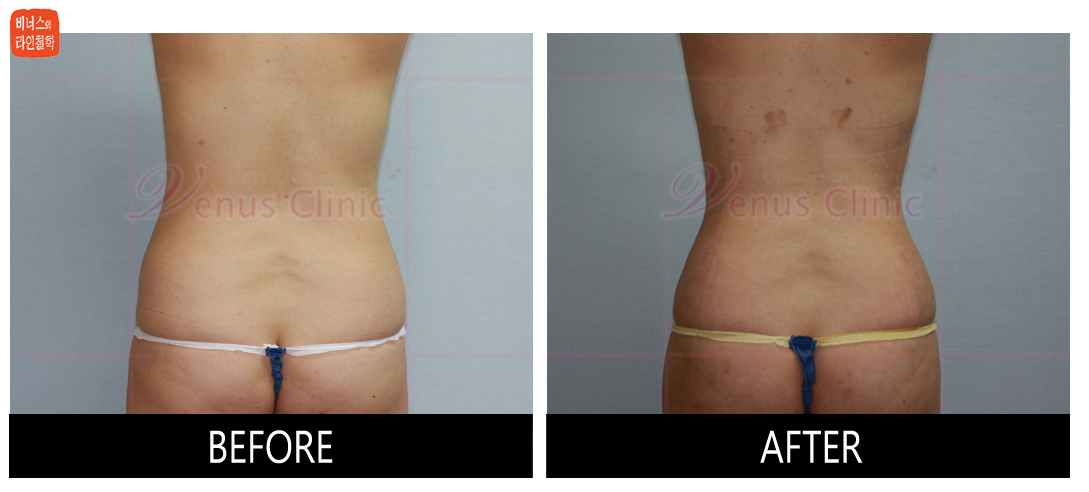
| Information on the Posted Liposuction Before-and-After Photos | |||
|---|---|---|---|
| - Same person | Surgery performed at Venus Clinic; same person | - Date taken | Taken around 2011; comparison at 1 month after surgery |
| - Same conditions | Edited to the same posture and size as closely as possible | - Side effects | https://en.myvenus.co.kr/should_know/38861 |