Revision Liposuction of the Abdomen - case study
Revision surgery following abdominal liposuction may be necessary in the following situations:
- Desire for additional size reduction
- Excessive fat removal resulting in adhesion between the skin and muscle fascia
- Loss of body contour balance due to partial liposuction
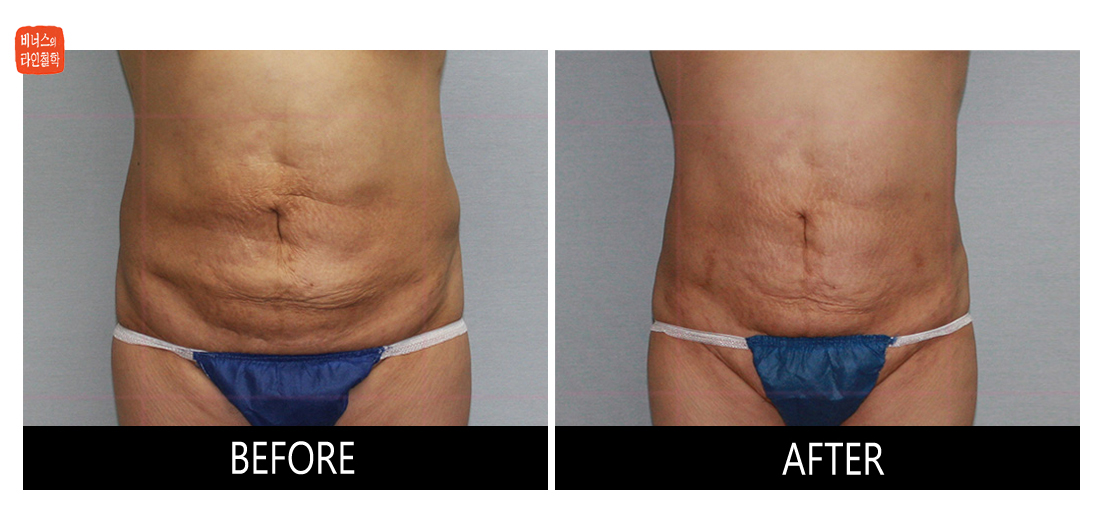
Among these, the most challenging revision case is the second scenario, where excessive liposuction has caused adhesion between the skin and fascia, leading to surface irregularities. Even with revision surgery, it is difficult to fully restore the original state with current medical technology.
The abdominal fat layer consists of two distinct layers. The deep fat layer primarily stores energy, increases in volume, and influences endocrine metabolism, contributing to conditions such as type 2 diabetes and cardiovascular disease. The superficial fat layer plays a structural role, providing insulation against cold, cushioning to protect internal organs, and maintaining skin stability.
As one ages and obesity increases, the deep fat layer can enlarge up to 10 times in size, making it the primary target for liposuction. A thorough understanding of abdominal anatomy and precise removal of the deep fat layer are essential for achieving effective results and meaningful size reduction. However, improper technique risks cannula perforation of the abdominal cavity, potentially damaging internal organs. In severe cases, organ injury can lead to peritonitis and even death. For this reason, approaching the deep fat layer demands the utmost caution from the surgeon.
I believe that an excellent liposuction surgeon is not one who removes the greatest volume of fat, but rather one who preserves valuable fat tissue and maintains a uniform layer of appropriate thickness, creating a smooth and well-balanced body contour.
CASE I
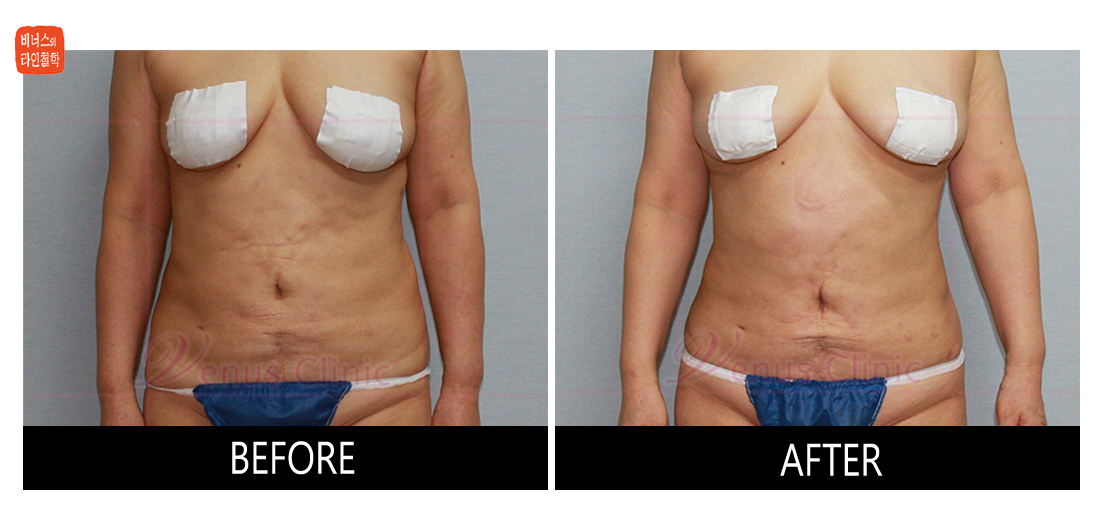
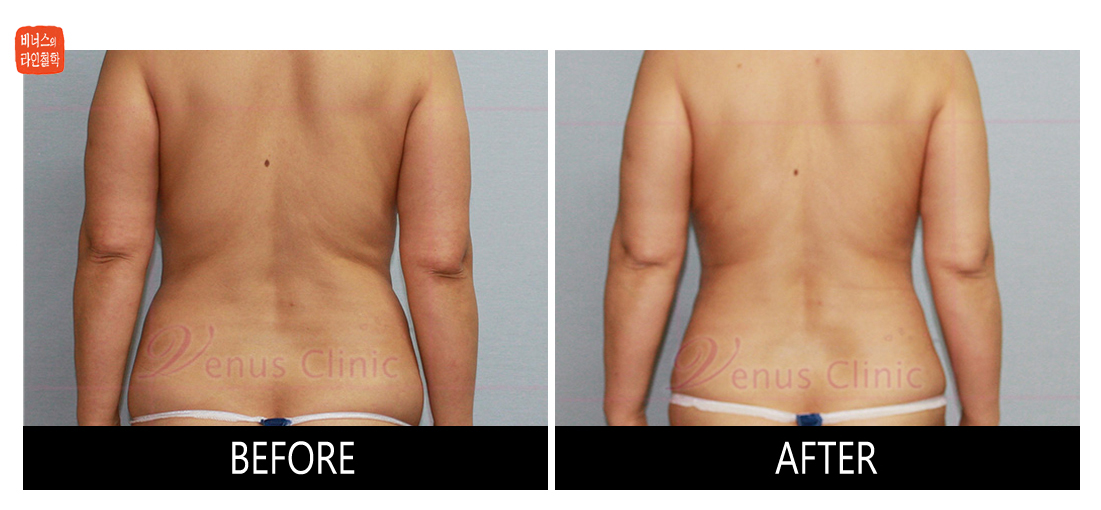
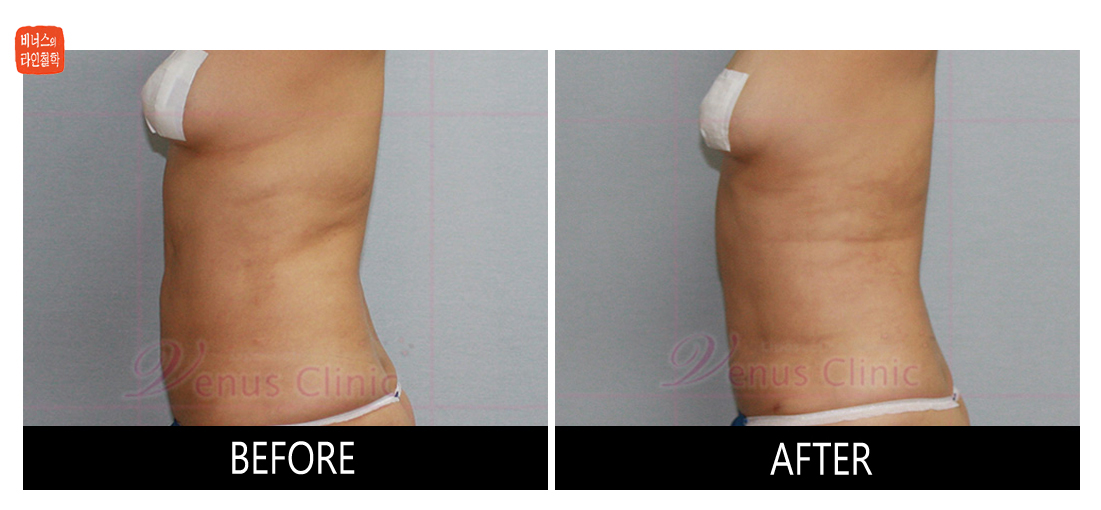
The images below illustrate a case of abdominal adhesion and surface irregularity caused by excessive liposuction. Additionally, inadequate fat removal from the flanks and back resulted in an overall loss of body contour balance.
For the revision procedure, fat grafting was performed on the anterior abdomen, while liposuction was performed on the lateral and posterior flanks and back.
CASE II
CASE III
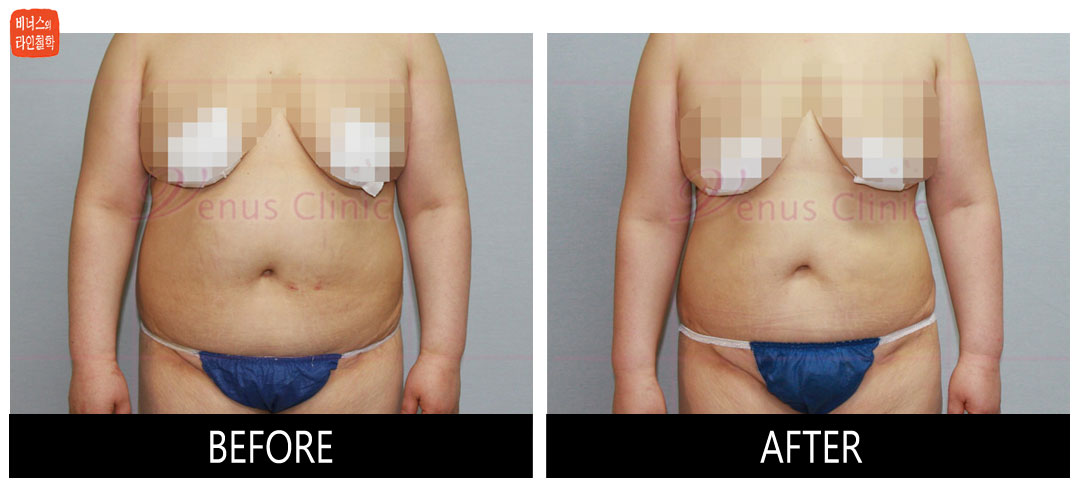
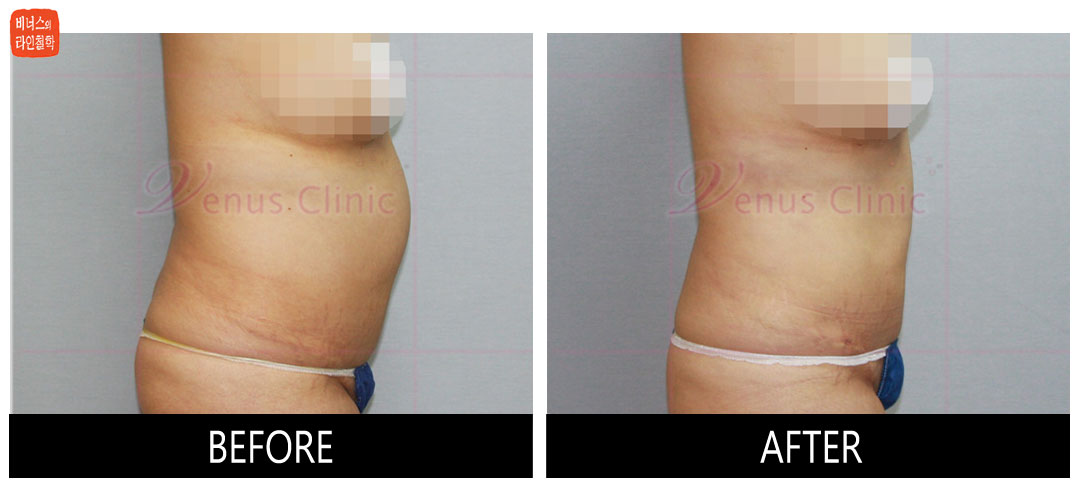
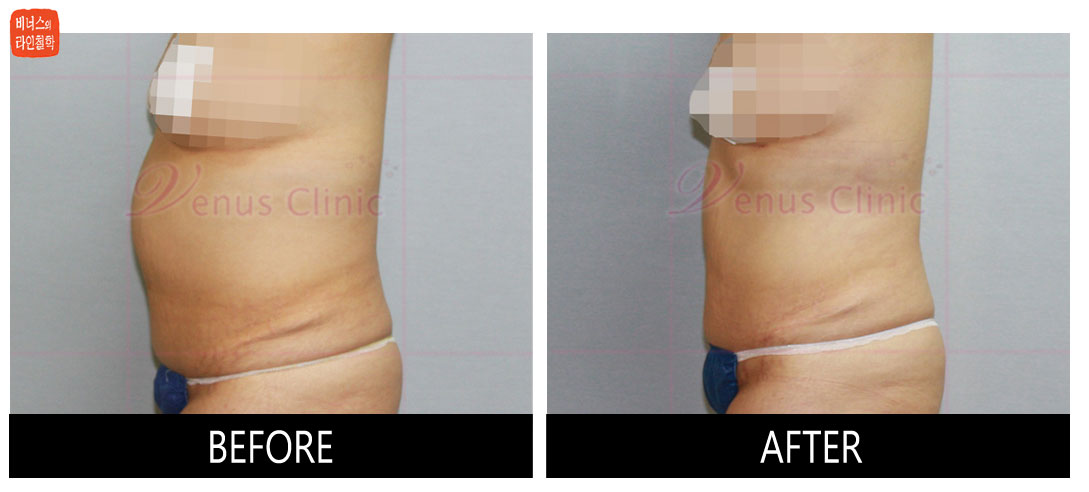
In this third case, a patient who had undergone only lower abdominal liposuction later gained weight, developing overall abdominal obesity. The untreated areas accumulated significantly more fat, resulting in a condition known as Dysharmonious Obesity.
If weight control is not maintained after liposuction, both treated and untreated areas may gain fat; however, untreated areas tend to gain disproportionately more. Importantly, without any weight change, the treated areas will not revert to their pre-operative state -- there is no rebound effect. In other words, as long as weight is properly managed after surgery, the results of liposuction are permanent.
Unlike the first and second cases, revision surgery on both the upper and lower abdomen successfully restored a more balanced body contour. This case underscores why uneven or excessive fat removal during abdominal liposuction must be strictly avoided.
| Information on the Posted Liposuction Before-and-After Photos | |||
|---|---|---|---|
| - Same person | Surgery performed at Venus Clinic; same person | - Date taken | Taken around 2011; comparison at 1 month after surgery |
| - Same conditions | Edited to the same posture and size as closely as possible | - Side effects | https://en.myvenus.co.kr/should_know/38861 |