Safety and Complications of Liposuction - A Guide by Type
Just as every surgery carries a risk of complications, liposuction is no exception. However, it is the physician's duty to understand complications in advance of surgery, to check preoperative preparations thoroughly, and to prevent complications from occurring; and it is to fulfill that duty, I believe, that physicians research, test, and develop new techniques.
Complications, however, can and do arise where they are not expected. Because humans cannot become gods, we cannot produce only perfect results, and so I believe we must always remain humble about our results and keep an attitude of continuous study.
Patients undergoing the procedure, too, should fully understand the cosmetic results that surgery can achieve, while at the same time listening to and understanding the physician's explanation of the complications that can occur with liposuction, and should become thoroughly familiar with the pre- and postoperative precautions and care instructions so that they are prepared to minimize any complications that may arise before or after surgery.
Research on the Safety of Liposuction
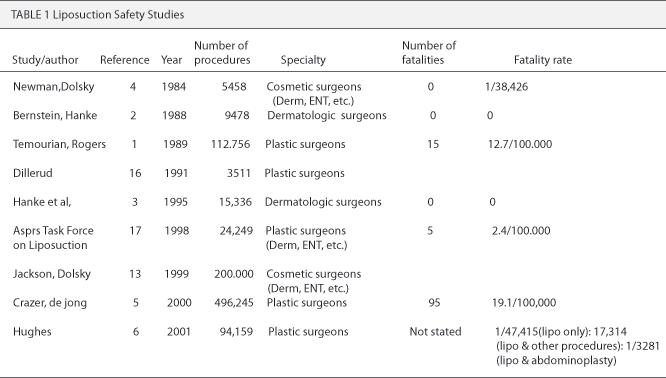
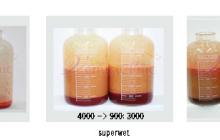
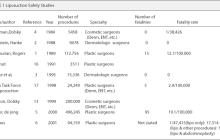
The table above summarizes mortality rates compiled from published studies on the safety of liposuction. The mortality of superwet liposuction, the method most commonly used by plastic surgeons, is about 1:5,000, making it a far safer procedure than hysterectomy at 1:1,000; moreover, in reports on the tumescent technique, no deaths have been reported to date, which shows just how safe a procedure liposuction is.
In the group that mainly used general anesthesia or intravenous anesthesia, (Grazer FM, de Jong RH. Fatal outcomes from liposuction: census survey of cosmetic surgeons. Plastic and Reconstructive Surgery 105:436-446, 2000.) 95 deaths were reported among 475,000 liposuction procedures performed from 1994 to 1998,
whereas in the group performing tumescent liposuction, (Housman TS, Lawrence N, Mellen BG, George MN, Filippo JS, Cerveny KA, DeMarco M, Feldman SR, Fleischer AB. The safety of liposuction: results of a national survey. Dermatol Surg. 2002 Nov;28(11):971-8. ) no deaths were reported among 65,000 liposuction procedures performed from 1994 to 2000.
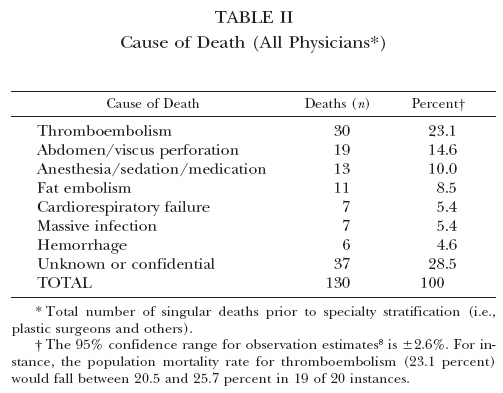
[Grazer FM, de Jong RH: Fatal outcomes from liposuction: Census survey of cosmetic surgeons. Plast Reconstr Surg 105:447-448, 2000]
Looking at the analysis of causes of death reported by the American Society of Plastic and Reconstructive Surgeons (ASPRS) in the table above, the causes include venous thromboembolism, abdominal perforation, anesthesia and medications, cardiopulmonary arrest, massive infection, and hemorrhage, and it can be seen that the most common cause among them is venous thromboembolism. It has also been reported that venous thromboembolism results from prolonged general or intravenous anesthesia, excessive surgery, and the tissue damage caused by it.
Deep vein thrombosis occurs most readily in patients who move little after surgery and is reported to be most frequent in orthopedic procedures such as hip joint surgery. In liposuction it is known to occur in less than 1% of cases; it is caused by the patient's medical history and the various predisposing factors mentioned earlier, which lead to slowing and obstruction of venous blood flow so that a thrombus forms inside the vessel.
Pulmonary embolism is a serious complication in which such a thrombus passes through the heart and into the lungs, blocking the pulmonary vessels so that oxygen can no longer be exchanged, and it can be fatal. Deep vein thrombosis can usually be suspected when the lower leg swells and pain develops in the calf when the ankle is flexed, and preventing pulmonary embolism is the best approach.
The reason that general anesthesia or intravenous sedation increases mortality is that the anesthesia makes possible,
- Performing several surgeries at once (Multiple surgery)
- Prolonged operating time (Prolonged surgery time)
- Removal of an excessive amount of fat in a single session (Removal excessive amount of fat during single session)
- Excessive intravenous fluids (Iv fluid overload)
- An excessive dose of lidocaine used together with general anesthesia (toxic dose)
- it lies in this permissiveness
In fact, the most frequent cause of complications after liposuction has been found to be performing liposuction and dermolipectomy at the same time under general anesthesia.
During tumescent liposuction, the muscles are not paralyzed and the abdominal muscles retain their tone, so the operating surgeon can feel the abdominal wall well. When liposuction is performed under general anesthesia, however, the abdominal muscles become paralyzed and relaxed, making it relatively difficult to feel the abdominal musculature, so the risk of abdominal perforation can be relatively increased; and after surgery, the pain of liposuction and the pain of an abdominal perforation overlap, so the possibility of a bowel perforation may be overlooked and prompt treatment delayed.
Therefore, a surgeon performing liposuction must also know the anatomy of the abdominal muscles and fascia well, must be able to sense the position of the cannula through the fingertips, and, I believe, should refrain from using general anesthesia whenever possible. From a cosmetic standpoint as well, only when the operator is aware of his or her own fingertip sensation can the deep layer of fat be removed and a smooth, complete liposuction be achieved.
Sedation, the type of anesthesia mainly used for sedated endoscopy, does not require intubation, spontaneous breathing is maintained, the abdominal muscles are not paralyzed, and the risk of venous thromboembolism is low, so it is safer than general anesthesia; however, as mentioned earlier, it can easily permit excessive surgery, and occasionally a sudden cough or spasm of the bronchi and pharynx during or after surgery can obstruct the airway, so the breathing status must be continuously monitored with careful attention.
[See related information]
Liposuction Surgery and Sedation Anesthesia
As for wound infection and necrotizing fasciitis, the risk of infection in tumescent liposuction is low because the local anesthetic lidocaine itself has a bactericidal effect; however, it must be remembered that liposuction involves a wide surgical area and that, after surgery, the operated area becomes hard and circulation is impaired, lowering the body's defenses, so if an infection does occur it can be fatal.
In general, the incidence of infection in clean-wound surgeries such as liposuction is reported to be about 1%, but fatal infections such as necrotizing fasciitis and toxic shock syndrome have been reported after liposuction, so thorough infection control is essential. For this reason, I can say that safe liposuction should be performed at a facility where surgical aseptic technique is in place, which is aware of these infection risks and is systematically prepared for them, and where the surgery is performed by experienced staff and a skilled physician.
As for bleeding, when tumescent liposuction is performed, liposuction is a procedure with almost no bleeding. It has been reported that, when the tumescent technique is performed properly, bleeding amounts to about 1% of the pure fat removed, and there is almost never a need for postoperative transfusion. In the wet technique and dry technique used before the tumescent technique was developed, the risk of bleeding was a major factor compromising the safety of liposuction.
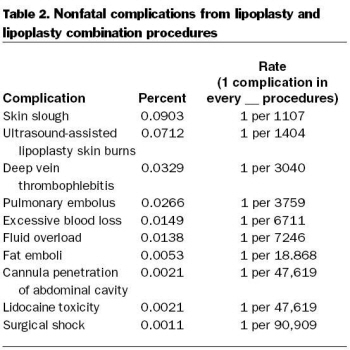
[Hughes, C. E., III. Reduction of lipoplasty risks and mortality: An ASAPS survey. Aesthetic Surg. J. 21: 120, 2001.]
The table above is from a paper published in 2001 by Hughes on behalf of the American Society for Aesthetic Plastic Surgery (ASAPS) summarizing the incidence of these complications. The other complications (skin injury, ultrasonic skin burns, deep vein thrombosis, pulmonary embolism, excessive bleeding, fluid overload, fat embolism, abdominal perforation, lidocaine toxicity, and surgical syncope) are all reported at a frequency of about 1 per 1,000 patients or less, showing that in practice they do not occur commonly, so you need not worry about the inherent risks and complications of the surgery itself before undergoing liposuction.
In fact, modern liposuction is a surgical technique less than 25 years old that is still developing very rapidly, and the field has advanced so quickly that surgery is now possible under tumescent local anesthesia alone. On the other hand, indiscriminate advertising and use of unproven devices and techniques have made choices difficult for consumers and added to their confusion.
The safest and most academically recognized method of liposuction at present is known to be the use of tumescent local anesthesia and small-diameter cannulas called microcannulas, with the surgeon operating delicately by hand. Yet devices and methods that make the procedure more convenient or help with skin retraction are often presented as if they determine the entire outcome of liposuction, while it is overlooked that these are merely adjuncts that assist the overall liposuction and cannot be the means that determines the result. I also believe there are many devices and techniques that will still need to earn academic recognition through extensive clinical experience in the future.
Now, with new techniques being developed and advancing at a very rapid pace, liposuction is becoming an almost inevitable procedure for people living in the modern age. These days, however, some people seem to prefer a liposuction machine over a clinic when choosing liposuction. When choosing a liposuction clinic, rather than choosing the latest machine, it is better to choose a skilled physician who actually performs the surgery, whatever machine is used.
Understanding the Normal Recovery Process and Complications After Liposuction
Normal recovery after liposuction can be described as a process involving some degree of pain, swelling, and bruising, though limited, while the skin hardens and becomes indurated. Temporary reduction or alteration of skin sensation may also appear for up to about 4 weeks. In most cases the change in silhouette can be clearly judged within 1 week after surgery, but because postoperative swelling subsides slowly, the final result takes 3 to 5 months after surgery.
I would like to introduce some material that helps clarify the difference between the normal recovery process of liposuction and its complications. Below is a table summarizing the complications that can occur after liposuction, excerpted from the book ‘Safe liposuction and Fat transfer’ by Narins et al.
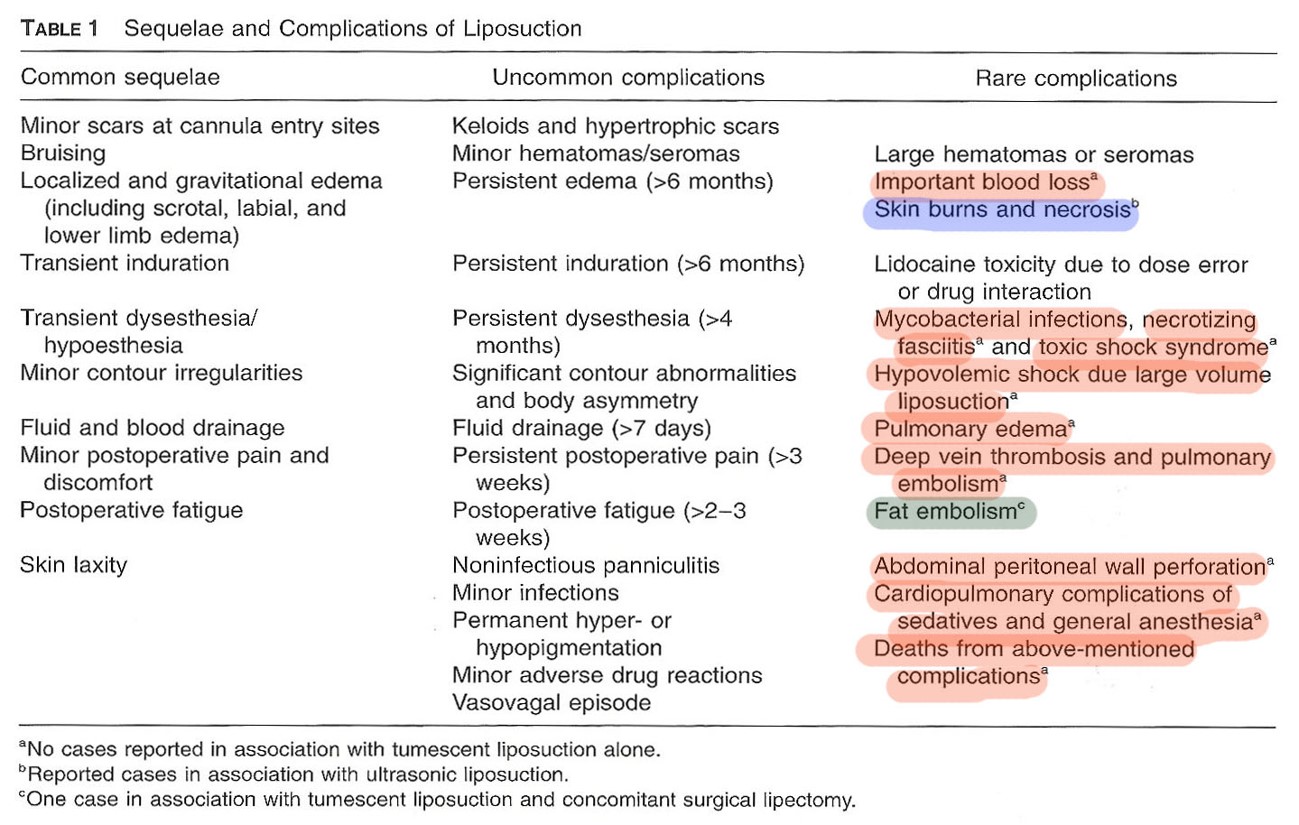
[Hanke CW, Safety of liposuction. In:Narins RS, eds. Safe liposuction and Fat transfer. New York: Marcel Dekker, 2003:345]
First, there are the common (Common) recovery phenomena (Sequelae) after liposuction, which occur normally and are therefore difficult to regard as complications. Examples include small scars at the incision sites, bruising, localized swelling, temporary altered sensation and reduced sensation, slight contour irregularity, drainage of fluid and blood, mild postoperative pain and discomfort, postoperative fatigue, and skin laxity; although the degree varies, these can be regarded as appearing in almost every patient as part of the recovery process.
These are the results seen when a patient has undergone a partial procedure such as mini-liposuction, when conservative liposuction was performed while avoiding excessive liposuction, or when the surgeon is highly skilled and experienced even though a similar extent of surgery was performed.
Second, there are the complications that do not usually occur after liposuction (Uncommon), which are the common recovery phenomena (Sequelae) after liposuction becoming more severe and lasting longer, turning into complications (Complications). These include keloid formation at incision wounds, small hematomas or seromas, edema lasting more than 6 months (Edema), induration lasting more than 6 months (Induration), altered sensation lasting more than 4 months, severe contour irregularity and asymmetry, drainage lasting more than 7 days, postoperative pain lasting more than 3 weeks, fatigue lasting more than 2-3 weeks, non-infectious panniculitis (Panniculitis), minor infection, permanent hyperpigmentation or hypopigmentation, mild adverse drug reactions, and vasovagal syncope (Vasovagal Syncope).
These complications are often associated with large-volume or excessive liposuction by surgeons, and unless they result from deliberate error or negligence, they can come as a fateful sorrow to a physician who did his or her best for a difficult patient.
Third, there are the complications that almost never occur after liposuction (Rare), which are dangerous and serious complications (Complications). These include large hematomas or seromas, massive blood loss, skin burns and necrosis, lidocaine toxicity, mycobacterial infection, necrotizing fasciitis, toxic shock syndrome, hypovolemic shock due to large-volume liposuction, pulmonary edema, deep vein thrombosis and pulmonary embolism, fat embolism, abdominal peritoneal perforation, cardiopulmonary complications due to sedation or general anesthesia, and death resulting from the complications listed above.
This category overlaps to some extent with the 'Causes of Death in Liposuction (Cause of Death)' published by the American Society of Plastic and Reconstructive Surgeons (ASPRS) mentioned earlier and the 'nonfatal liposuction complications' reported by the American Society for Aesthetic Plastic Surgery (ASAPS).
Here I would like to say a few words, for reference, about induration, a common part of the recovery process after liposuction.
Induration (Induration) occurs during recovery after liposuction, that is, during the process of tissue formation (Tissue formation) and tissue remodeling (Tissue remodeling) within the subcutaneous fat layer, when fibrosis (Fibrosis) develops and the skin contracts (retraction); as the photographs below show, unlike dieting, liposuction reduces size without sagging of the skin, so I describe it as an adverse effect (adverse effects) that is cosmetically beneficial. In this way, not only the primary action of liposuction surgery but also an adverse effect such as induration (Induration) caused by 'fibrosis and adhesion' can be called a good effect that benefits the patient.
However, in order to induce greater skin contraction, one is confronted with situations that call for excessive liposuction or full-thickness liposuction, and during recovery the complications in the second category described earlier can arise, that is, more bruising and induration, longer-lasting adhesions, and thicker scars, so even more careful management is required.
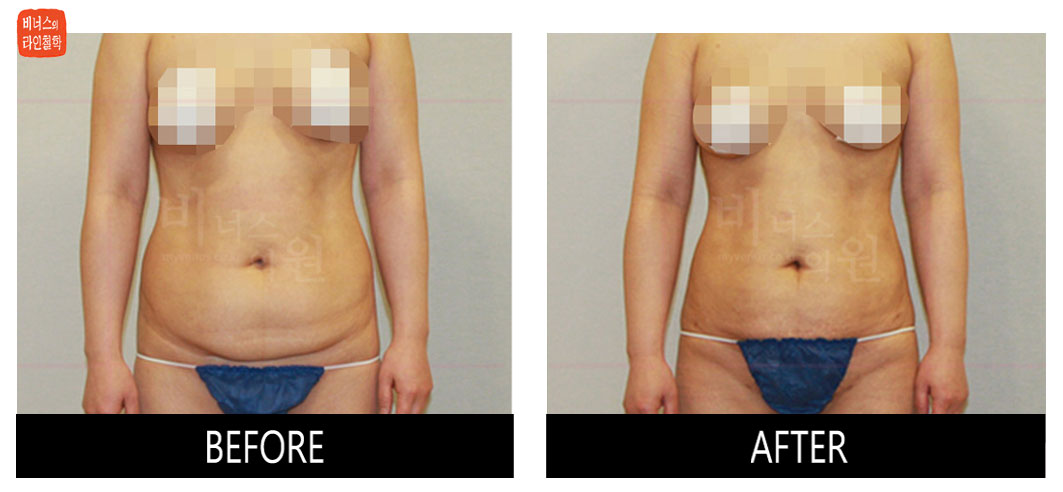
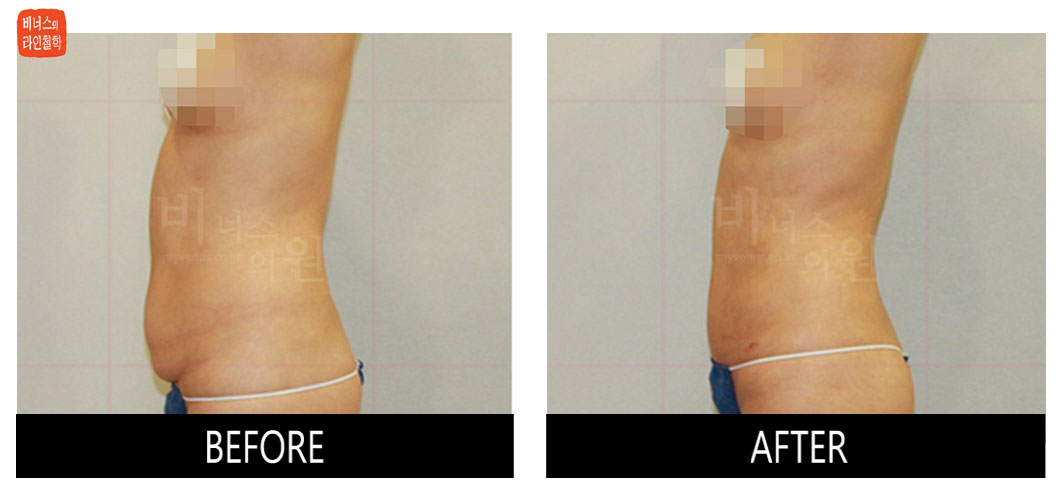
< Before-and-after comparison 1 month after abdominal liposuction; after superficial liposuction, the sagging area of the lower abdomen has disappeared. >
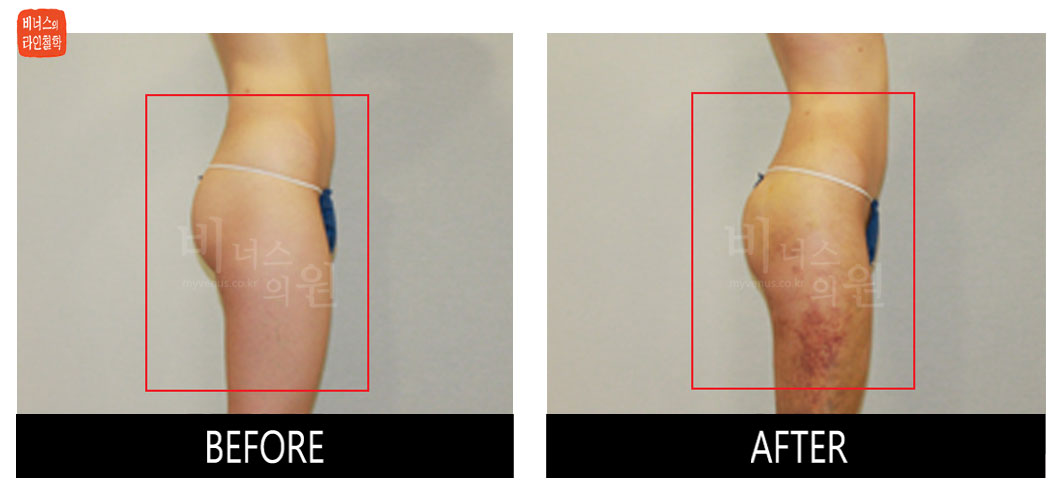
< Before-and-after comparison 1 week after thigh and buttock surgery; liposuction and fat grafting improved the sagging of the buttocks and lifted them. >
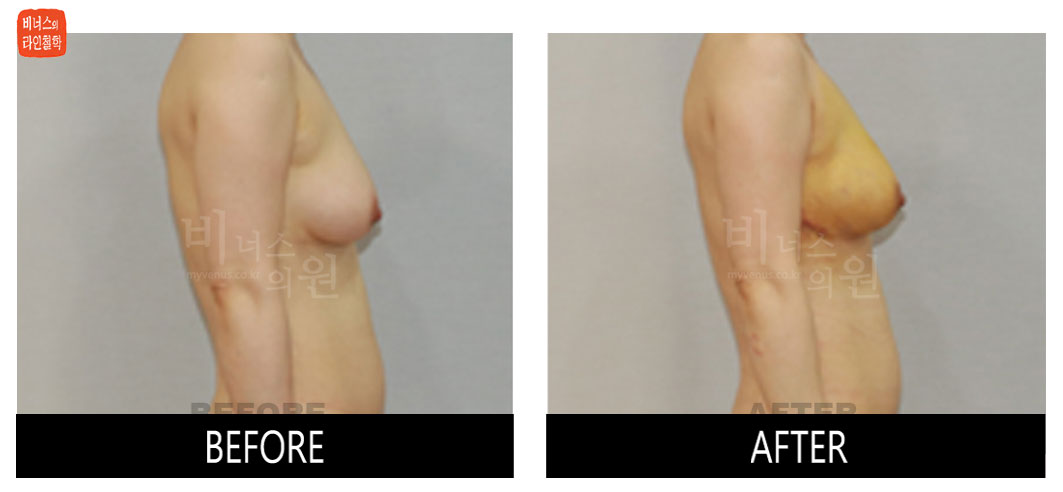
< Before-and-after comparison 1 week after breast reduction liposuction; with superficial liposuction, the breasts became smaller and were lifted. >
Just as a Fraxel laser or an MTS roller is used on the facial skin to create micro-injuries that induce a fibrotic reaction and collagen production, thereby lifting the face, I believe that liposuction surgery, too, uses adverse effects such as fibrosis and adhesion, and not only size reduction, to improve sagging and achieve a lifting effect.
[See related information]
What Is the Difference Between Dieting and Liposuction for Changing Your Figure?
Gasparotti et al. reported that performing superficial liposuction or full-thickness liposuction, which falls within the realm of excessive liposuction, and leaving a thinner subcutaneous fat layer beneath the dermis can induce more skin contraction, and they argue that this can produce better cosmetic results. Patients who want liposuction also invariably ask the surgeon before surgery to remove as much fat as possible.
I hope you will understand the situation of a surgeon who, in order to achieve the inherent goal of liposuction, a natural reduction in size without sagging of the skin, must carefully approach, step by step, the monster of complications caused by excessive liposuction. Perhaps the adverse effect that appears as part of recovery after liposuction, 'induration, adhesion, and fibrosis', is a love-hate partner that the liposuction surgeon is fated to meet in pursuit of the best result.
Meanwhile, according to Chang et al. in 2002, the most common postoperative complication after liposuction is contour irregularity of the skin (Contour deformity- grooves, waviness, indentations) associated with excessive liposuction, which is reported to occur in up to about 20% of patients.
For this reason, Illouz, the founder of the wet technique of liposuction, recommended leaving a fat layer of at least 5mm, and Dr. Giorgio Fischer of Italy, who developed modern liposuction, teaches physicians:
"A certain amount of subcutaneous fat should always be left. You should always feel unhappy at the end of your operation thinking that you could have taken away more. The important thing is what you leave not what you remove."
Such adhesion and fibrosis mostly resolve with time, but they can remain permanently, and such permanent fibrotic adhesions are in practice difficult to treat. As for wrinkles that form after liposuction because excess skin is left to sag, they can be distinguished from fixed fibrotic adhesions because, when the effect of gravity is removed and the patient lies down, the wrinkles usually disappear.
The general recovery process and complications after liposuction are summarized as follows.
- Bleeding is rare with the tumescent liposuction technique, but occasionally a hematoma or a seroma, an accumulation of lymphatic fluid, can form under the skin, in which case drainage may be necessary.
- After surgery the skin may become irregular and may harden into lumps, but this is part of the normal healing process in liposuction and improves with time. Complete recovery after liposuction takes about 6 months.
- Even when there is sagging skin with poor elasticity, in most cases it retracts after surgery, but in some cases it does not.
- Infection is rare but can occur and may require antibiotic treatment and surgical drainage.
- Swelling and bruising usually last about 1-3 weeks, and skin sensation may be reduced or heightened for up to about 3 months, with symptoms that may persist for several months.
- Because very small incisions are made, scars are rare but can appear, and in particular people with darker skin may develop hyperpigmentation, which has a strong genetic component.
- In addition, when the skin contracts, there is more melanin pigment per unit area, so the skin color may become darker.
- You may feel dizzy for 1 week after surgery. This occurs especially when standing up after lying down or sitting, and in such cases caution is also needed when walking. You must not drive on the day of surgery.
- Allergic reactions to sedative anesthetics are very rare but can occur. In addition, although rare, serious accidents can occur during surgery due to anesthesia.
- If an adverse effect occurs or you are not satisfied with the surgical result, revision surgery is necessary, and revision surgery can be performed only after complete recovery, that is, after at least about 6 months.
- In addition to these complications, other complications associated with surgery in general may also occur.
Real Examples of Liposuction Complications
;In general, serious complications are very rare with the tumescent method of liposuction, and complications related to the surgical result, even when they do occur, are usually minor problems that I believe can be sufficiently prevented with careful attention and management before and after surgery. Nevertheless, liposuction complications are always a possibility, and not only the operating surgeon but also the patient who has undergone surgery should be fully informed about these complications and make every effort to prevent them.
Broadly classifying liposuction complications, there are:
- Complications related to excessive liposuction (Excessive liposuction)
- Complications related to the incision sites (Surgical site complication)
- Fainting (Vasovagal syncope)
- Postoperative erythema (Postliposuction panniculitis)
- Swelling and bruising (Edema and Ecchymosis)
- Hematoma (Hematoma), seroma (Seroma)
- Skin necrosis (Skin necrosis)
and so on.
In practice, the most common and most problematic is the formation of contour irregularities of the skin (irregularities) as a complication related to excessive liposuction. Minor irregularity of the skin surface improves naturally once the lumpiness (Lumpiness) of the skin, a normal part of early recovery, has resolved, but in severe cases surgery such as revision liposuction, fat grafting, or dermolipectomy may be required.
I believe that achieving a satisfying reduction in size through an adequate amount of liposuction together with a natural, smooth skin surface depends above all on the surgeon's harmony of wisdom, virtue, and physical strength, that is, on the operating surgeon's knowledge and skill, devoted and meticulous technique, and the physical stamina to support them. And it cannot be overemphasized that avoiding excessive liposuction is the key to preventing liposuction complications.
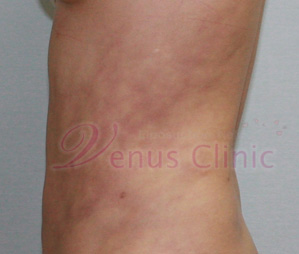
1. Erythema ab liporaspiration
: Permanent erythema that can result from excessive suctioning of the superficial layer
2. Localized over-suctioning (lipotrop)
:This occurs especially in areas with soft fat, such as the inner thighs, which are suctioned too easily. In liposuction, removing too much fat seems to be the greater problem.
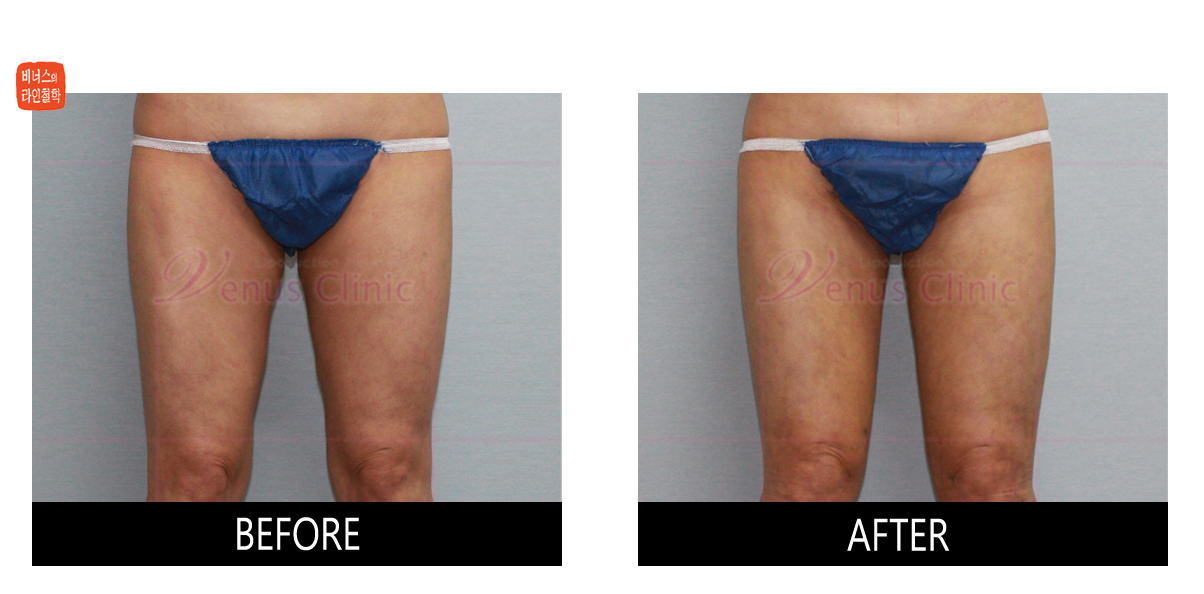
< Over-suctioning of the inner thigh corrected with fat grafting >
Localized inadequate suctioning (liponut) : Attempting to suction all the fat from a wide area so that the skin and fascia come into direct contact inevitably leaves thin, small patches, which become obvious later if the patient gains weight.
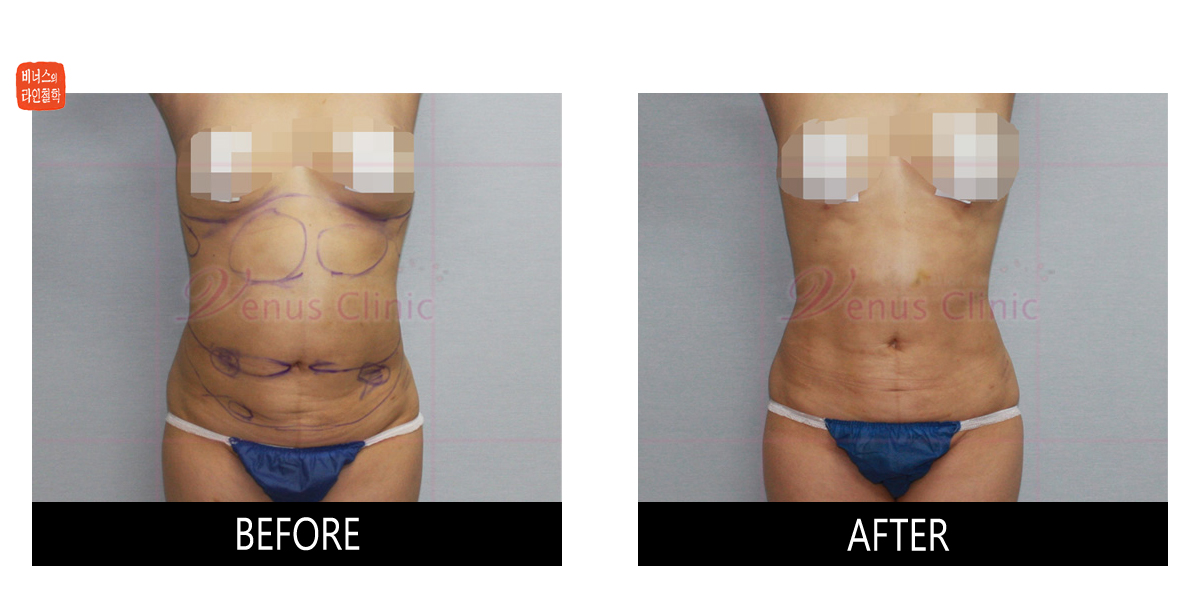
< Overall inadequate liposuction (especially of the upper abdomen) and localized over-suctioning corrected with liposuction >
3. Localized under-suctioning (liponot) - Inverted smile appearance
;A crease line formed when the fat above sags due to inadequate suctioning of the upper abdomen
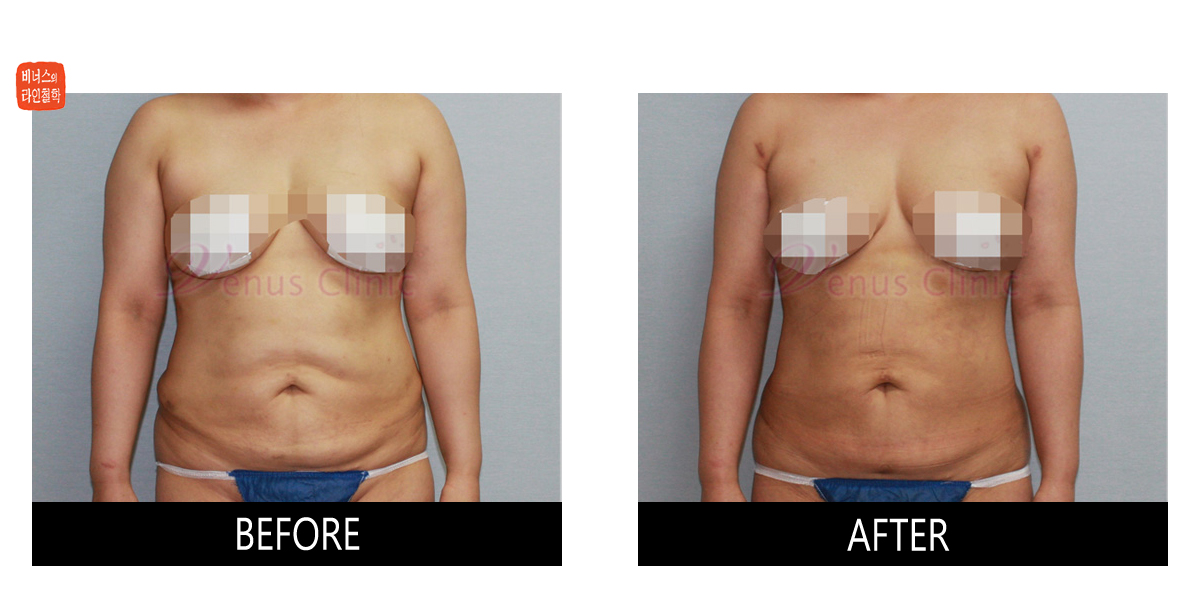
< Sagging above the navel (inverted smile appearance) due to inadequate liposuction of the upper abdomen, corrected with revision liposuction>
4. Wrinkling of the skin surface after liposuction (Waviness due to Inappropriate compression garment or posture)
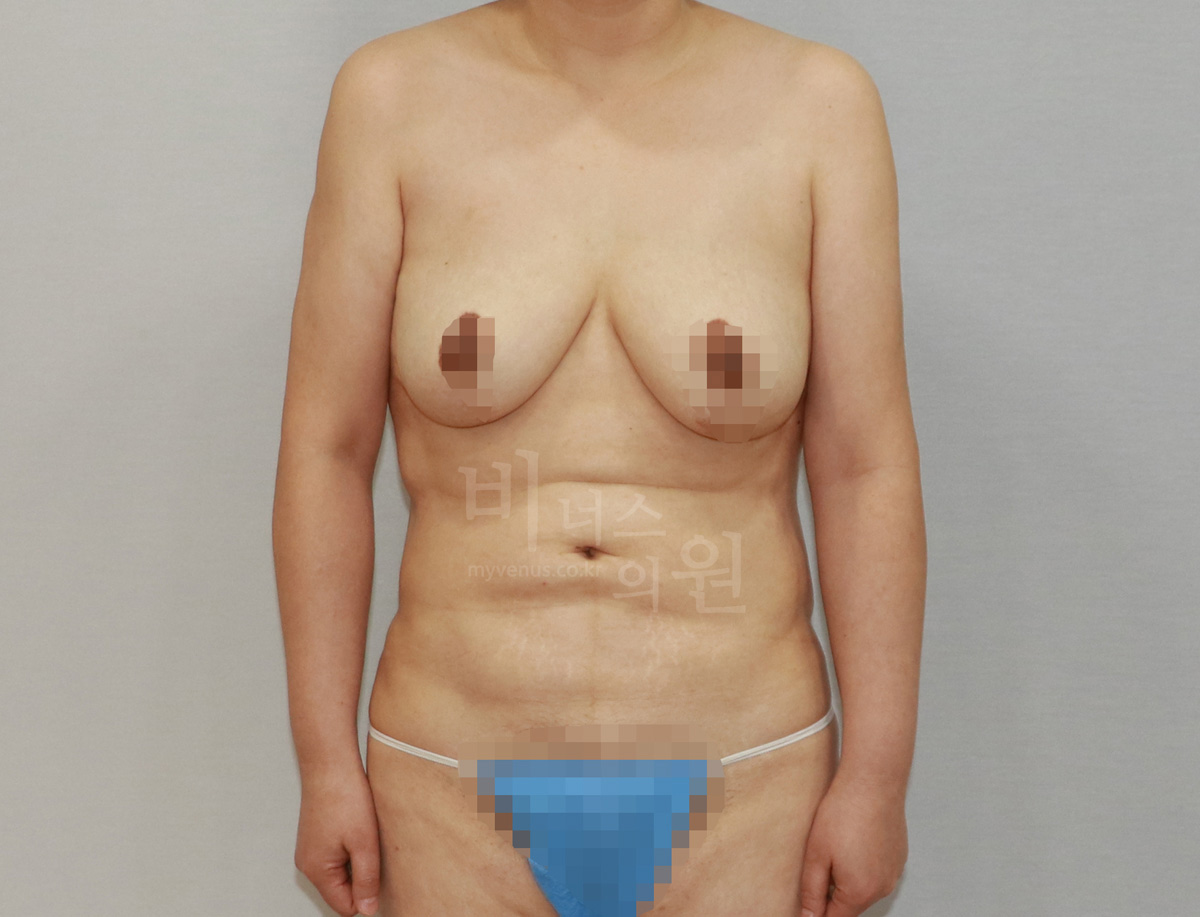
; Wrinkling and adhesion after liposuction are mostly due to uneven, excessive liposuction, but wrinkles and adhesions can also develop, as in the photograph below, because of an incorrect posture after abdominal liposuction. There are also cases of wrinkles without adhesion; these disappear when the patient lies down and are mostly caused by sagging of the skin.
5. Double crease below the buttocks and buttock sagging (Double-line of infragluteal crease, Buttock ptosis)
; A double crease or buttock sagging caused by damage to the ligaments that support the buttocks
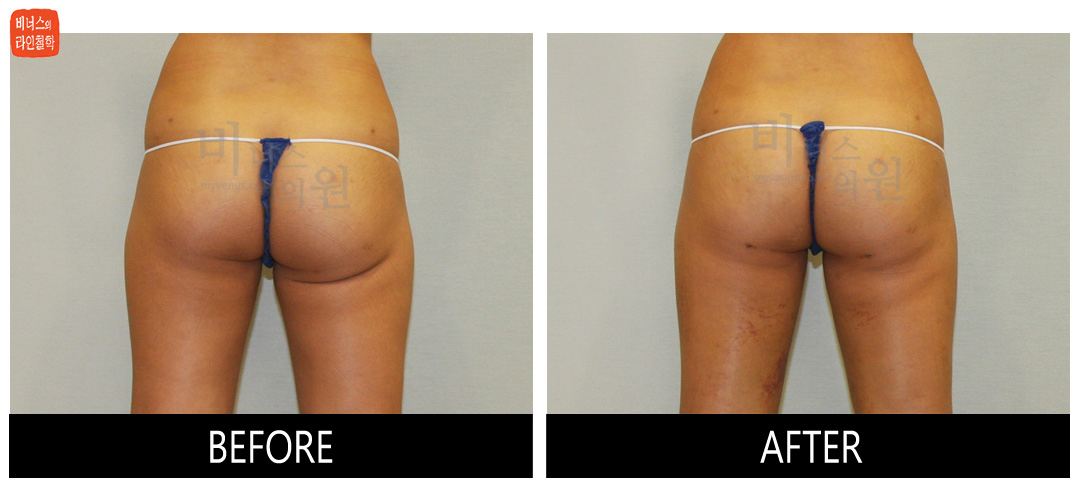
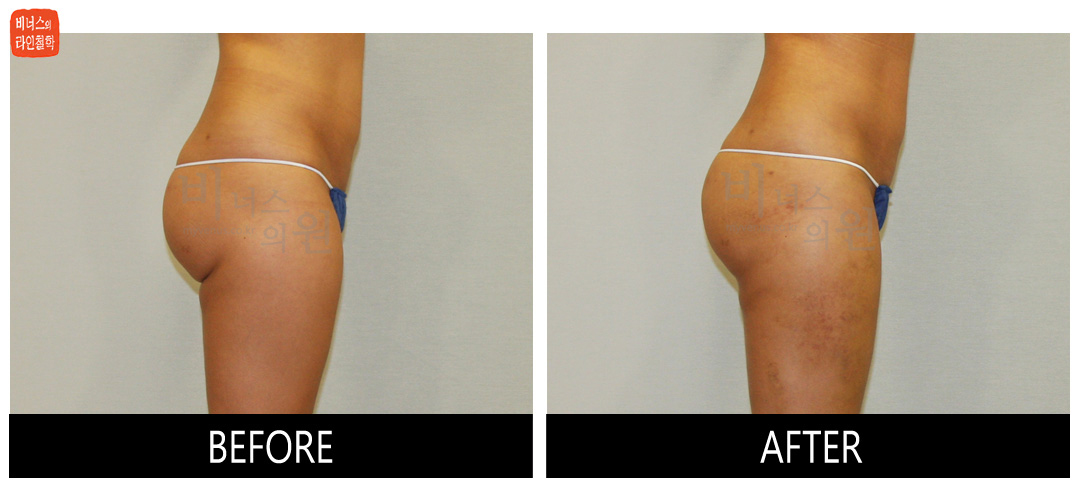
< Double crease below the left buttock and buttock sagging due to damage to the supporting ligaments of the buttock, and its correction>
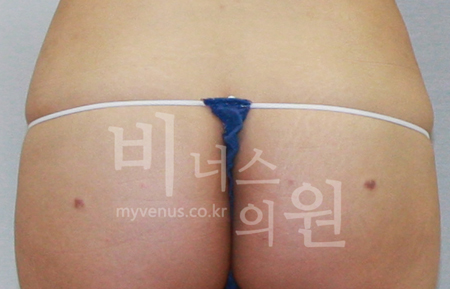
6. Hyperpigmentation of the incision sites (PIH of adit)
; Most liposuction incision sites become barely noticeable after about 1-2 years, but occasionally hyperpigmentation like this can occur. The photograph below shows a patient who underwent buttock liposuction at another clinic; it seems best to minimize the number of incision sites whenever possible and to place them where they are not easily visible.
7. Fainting (Morning after-liposuction syncope)
; Fainting can easily occur in the bathroom on the morning after surgery, and the triggers that cause it are as follows.
- Blood-stained pads
- Orthostatic decompression after removing the garment
- It occurs when standing up suddenly after urinating.
To prevent fainting,
- Remove the garment slowly, with someone else's help whenever possible. After removing one, wait 1-2 minutes before removing the rest.
- Stand up slowly after urinating.
- Have someone else help you the first time you shower.
- As soon as you feel dizzy or lightheaded, sit down or lie down in the shower stall or on the floor until the symptoms pass.
- The more drainage there is, the less bruising and swelling there will be, so do not be alarmed at the large amount of blood on the pads
- Do not remove the garment on an empty stomach. Low blood sugar can trigger fainting, so eat before removing the garment to shower or change the dressing.
- Do not lock the bathroom door while showering or urinating.
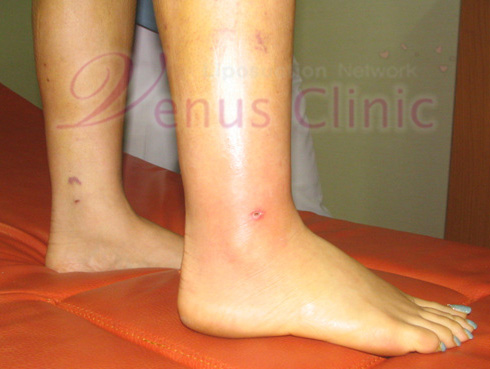
8. Erythema (Postliposuction panniculitis)
; This erythema is a peculiar form of postoperative inflammation caused by microseroma formation (microseroma formation) due to inadequate drainage of the tumescent fluid. It develops after drainage has stopped, and its typical appearance is a discrete (discrete), pink (pink), warm (warm), tender (tender), flat area (flat area); there is no bacterial infection (sterile), and infection must always be ruled out. It usually responds well to steroid treatment.
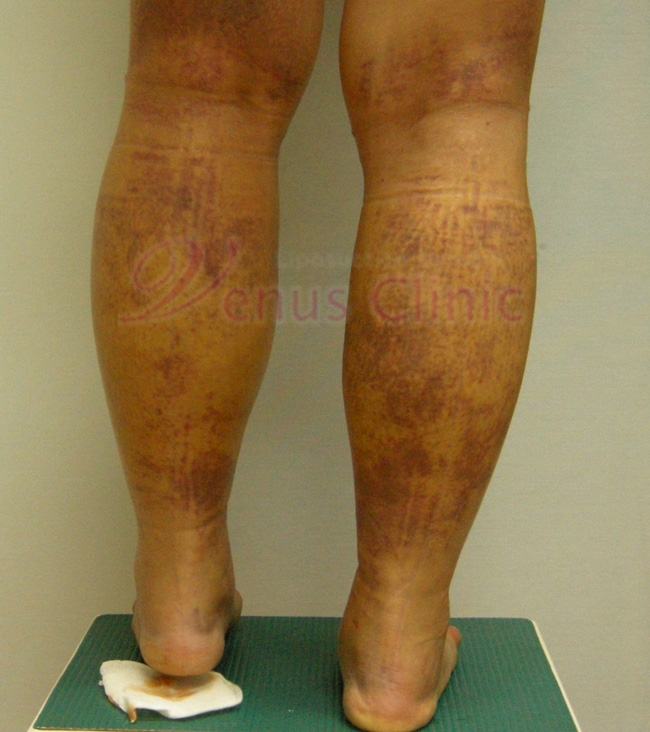
9. Swelling (Postoperative edema)
; Swelling usually appears with calf liposuction and when the thighs are operated on all at once, and in the abdomen, because the fascia is connected to the genital area, swelling can also occur in the genital area. In addition, continuous excessive compression worsens swelling.
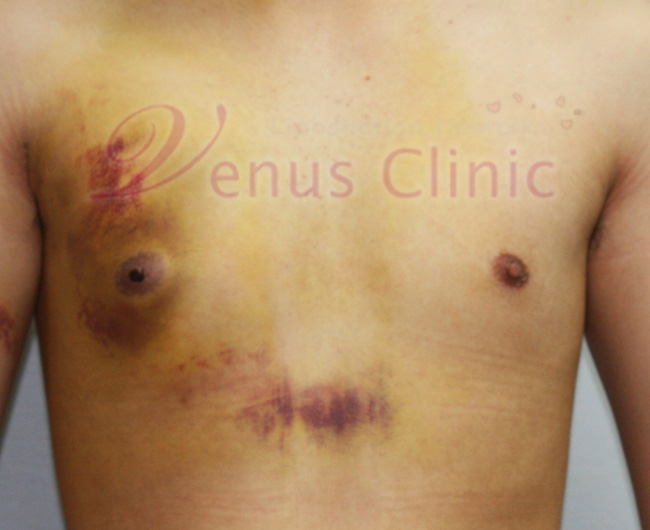
10. Hematoma, bruising (Hematoma, ecchymosis)
; Bruising and hematomas occur readily with breast liposuction and are commonly caused by inadequate compression during the first 24 hours. In addition, about 1 week after liposuction the hardening process begins, and if sudden activity is applied to the hardened skin, vessels that had adhered can tear and cause a hematoma. Activity after liposuction should be increased gradually, and strenuous exercise such as swimming or jogging should wait 3-4 weeks.
11. Seroma (Seroma)
; A seroma is the accumulation of plasma that leaks from blood vessels into the empty space left where fatty tissue was removed by liposuction; it occurs with excessive liposuction, the use of overly thick cannulas, and when the surgical site is not compressed sufficiently after surgery and the patient moves too much. It responds well to treatment when the seroma is aspirated and removed with a syringe and the area is then compressed well so that fluid does not collect there again.
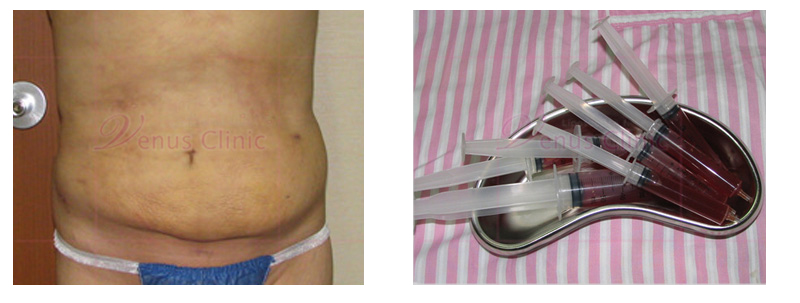
< A seroma of the left lower abdomen due to inadequate compression and excessive activity after surgery, and the seroma being aspirated with a syringe >
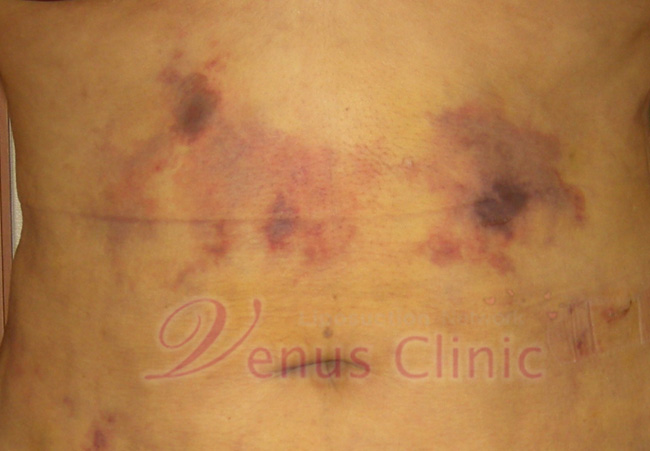
12. Skin necrosis (Skin necrosis)
; Skin necrosis is a serious complication that can result from liposuction; it does not occur often, but it is possible when excessive liposuction damages the subcutaneous vessels supplying the epidermis or when a hematoma impairs the blood supply to the skin.
Closing Remarks on Liposuction Complications
; So far I have shown you real cases of liposuction complications that have actually occurred. I feel apologetic for speaking about complications, together with such unpleasant photographs, to those who are planning liposuction before they have even had the surgery, but I believe this is something you must see and understand. Patients hear the physician's explanation of the possible complications of surgery before the operation, and once they understand them, they sign the surgical consent form, pay the surgical fee, and undergo surgery. Therefore, if the physician has done his or her best, the physician cannot be held responsible for the outcome even if a complication should occur. If a patient does not consent to the possibility of these complications and adverse effects, no physician would operate on that patient.
Let me emphasize once again that these adverse effects and complications are, in most cases, still due either to the limits of the physician's skill or to unavoidable factors whose cause cannot be identified; because the physician explains these points to the patient before surgery and obtains consent to the operation, the patient must give adequate consideration to these complications and adverse effects before surgery. Just as you trusted the physician and entrusted your body to him or her before surgery, you must also trust the physician's skill after surgery.
It is said that 'the surgeon operates, but it is God who heals'. I believe that a physician is not a perfect being, not a 'god of medicine', but a person who is always sorry toward patients for having limited skill and making many mistakes. And so, as a physician, I feel sorry when a patient questions me even after a surgery in which I did my best.
Occasionally, however, when an unavoidable complication or adverse effect occurs, the patient insists that it was caused by the physician's mistake or negligence, protests, brands the physician a quack, slanders and curses him or her, and demands compensation by obstructing the practice. If those people's claims were correct, then the government that issued a medical license to that quack should also bear liability for compensation.
From the patient's standpoint, having suffered cosmetic, time, and financial losses from an unwanted result, the patient demands compensation from the physician; from the physician's standpoint, because the patient understood the possibility of these complications and adverse effects and consented to surgery beforehand, the physician is hurt when the patient suddenly turns around after surgery and holds a physician who gave his or her all responsible, and may even become angry at the very patient who was harmed by the complication or adverse effect.
Physicians carry medical malpractice liability insurance and compensate patients in cases of medical accidents caused by the physician's negligence. Since patients, for their part, cannot receive compensation from the physician when an unexpected complication or adverse effect occurs, I believe that medical accident insurance, like automobile accident insurance, is needed to prepare for such situations. There are countries that recognize unavoidable medical accidents as the responsibility of the state and compensate for them through health insurance. Only then can patients receive compensation for harm from medical accidents, and only then can physicians, for their part, break free from defensive medicine and actively take on risky or highly difficult surgeries.
Because our government bears responsibility for the health of the people and bears responsibility for having issued the license to the operating surgeon, it clearly also has a responsibility to compensate patients for harm from unavoidable medical accidents through taxes or health insurance.
Because the state has a responsibility to protect the health and property of its citizens, most countries build and directly operate public hospitals where medical fees are free or low, so there is no need to take out separate supplementary private insurance in addition to health insurance as in our country. The average share of public hospitals in OECD countries is 65%, so the state also compensates in cases of medical accidents. In our country, however, public hospitals account for only 6%, and in a medical environment where most hospitals are private, the state shifts not only its responsibility for the health of the people but also the responsibility for medical accidents onto physicians.
Judges in our country even impose on physicians a responsibility called the 'duty of care' and apply criminal punishment for a physician's unintentional limitations of skill or scientific error. Can the skill of a physician who has performed a surgery once or twice be the same as that of a physician who has performed it thousands of times? The skill of a novice physician who has just graduated from medical school and that of an experienced physician are clearly different, yet while no physician can refuse a patient's request for treatment (even when walking down the street, one is obliged to help an emergency patient on sight), all physicians must bear the same responsibility for the outcome of treatment.
In fact, although a physician's skill is built through repeated experiences of mistakes and failures, the judges, that is, the state, unlike in other countries, deny physicians' mistakes and scientific errors, hold them responsible, and punish them as criminals. In our country, even with a medical license, a physician who lacks skill is deemed to have made a mistake by failing to do what a physician ought to do, and a physician who makes a mistake becomes a criminal.
Once again, the government bears responsibility for the health of the people. In the past, when physicians were in short supply, medical licenses were once issued even to pharmacists for the sake of public health, presumably because it was judged that, although imperfect, it was better for a pharmacist to practice medicine than a layperson. In any case, the education of physicians and the issuing of licenses are also the government's responsibility. Therefore, for the government, which issued the medical license and thereby certified the physician's competence and which compelled physicians to be unable to refuse a patient's request for treatment, to then punish the physician when a medical accident occurs on the grounds that the physician made a mistake due to insufficient skill, is a cowardly act that shifts the government's responsibility for public health onto physicians.
Discipline should not mean beating a student for poor test scores but guiding them to study enough so that they do well on the test. Accordingly, in a situation where physicians are abundant, if the government wishes to prevent innocent citizens from suffering from medical accidents, rather than punishing unskilled physicians, it should strengthen medical school education, whether it takes 10 years or 20, ensure sufficient clinical and surgical experience, and issue medical licenses only to those who have the skill not to cause medical accidents.
There is a saying in our country, 'the pear falls as the crow takes flight', and I think the physicians of our country are in the position of the crow, condemned for being black and ugly. Medicine is a field in which there is always error; depending on the circumstances and the patient's constitution, and on the physician's skill, a diagnosis of a disease may be wrong, a surgery may go wrong, and recovery may be poor. Yet someone must take on that risk and perform urgent surgeries or cosmetic surgeries, and if they are made to bear responsibility for the outcome after the fact, no one will be willing to perform those risky surgeries.
Physicians are not perfect, yet patients want perfect results. Imagine the patient or the family holding a gun to the head of a physician whose skill is always insufficient. Most advanced countries do not hold a physician who treats patients in good faith, however limited in skill, responsible for the outcome or punish him or her as a criminal. If you intend to hold me responsible for the outcome of your liposuction surgery, I will respectfully decline, since my skill is still insufficient.
[See related information]
On the Importance of the Liposuction Consultation
Long-term (long term) Complications and Adverse Effects
Early postoperative complications are described in liposuction textbooks and numerous papers, but long-term (long term) complications are not well known. One of these is disharmonious obesity (Disharmonious Obesity), a term for a state of secondary obesity after liposuction, referring to an adverse effect in which the overall balance and proportion of the body shape are disrupted.
Disharmonious Obesity (Disharmonious Obesity)
When weight gain occurs after surgery, the areas where liposuction was performed have relatively fewer fat cells than the untreated areas, so less fat accumulates there; thus, after abdominal liposuction the breasts may become relatively larger. This is partly because the smaller abdomen makes the breasts look larger, but disharmonious obesity is the phenomenon that occurs when weight gain causes greater enlargement of the breast tissue, which is relatively rich in fatty tissue.
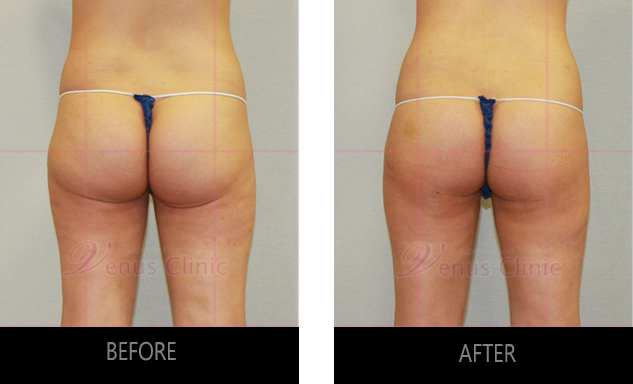
< After thigh liposuction, the buttocks appear relatively larger and the balance of the lower body looks awkward; buttock liposuction then restores the balance between the thighs and buttocks >
The reason is that, for example, if the fat of the lateral flank area, which is governed by female hormones, has been removed, the amount of female hormone circulating in the blood does not change before and after surgery, so the fat cell receptors (receptor) remaining in the breasts are relatively more affected; it has also been shown that the remaining fat cells become more sensitive to the hormones.
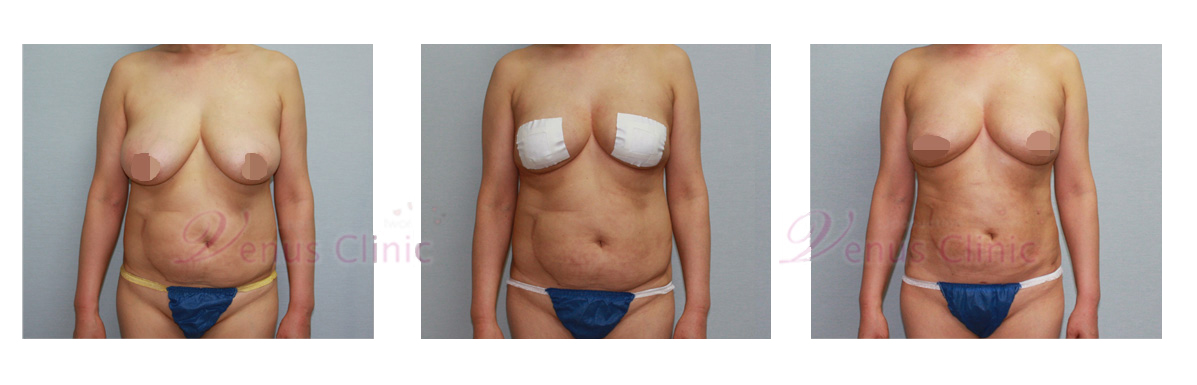
< After breast reduction liposuction, the abdomen appears larger and the breasts and abdomen look out of balance; abdominal liposuction then restores the balance >
Another example of disharmonious obesity is that when a patient who has undergone partial liposuction gains weight, the fatty tissue in areas that were not treated with liposuction gains much more, so the treated areas may actually look sunken, making the body shape look awkward.
Therefore, successful management of body shape requires not only a successful liposuction result but also regular exercise, an appropriate diet, and a positive lifestyle.