Medications to Be Careful With After Liposuction
Dalai, a member of "Venus's Liposuction Story," our Venus Clinic's Naver Café (an online community on the Korean portal Naver), told us that she had been taking weight-loss medications such as appetite suppressants to lose weight. We advised her that she must stop the weight-loss medication before and after liposuction, and she asked us why.
So today, we would like to explain which medications you should be careful with after liposuction and why.
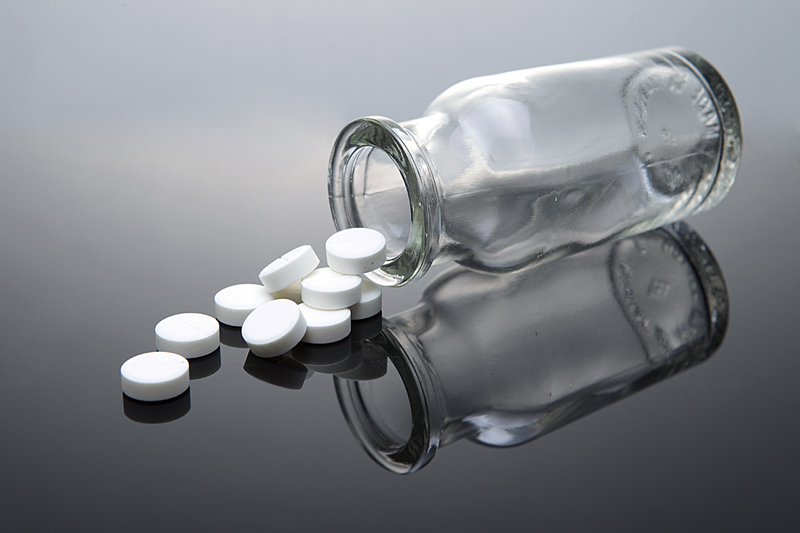
First, below is the guidance on taking medications after liposuction that we give at Venus Clinic.
- Avoid aspirin-type drugs, ibuprofen, vitamin E, ginkgo leaf extract, black cohosh, ginger, etc. for about 2 weeks before and after surgery.
- Weight-loss medications must be stopped 2 weeks before surgery; if you need to take them again, resume after 2 weeks.
- Take blood pressure, diabetes, thyroid, and similar medications as discussed in your consultation before surgery.
- After liposuction, do not take any painkillers other than those prescribed by the clinic.
- It is best to avoid psychotropic medications for 2 weeks after liposuction; if you must take them, please consult with us.
Compared with other surgeries, liposuction covers a wider surgical area, so the risk of bleeding is greater. Before tumescent liposuction was developed, the biggest problem with liposuction was bleeding. However, tumescent liposuction, developed in the late 1980s, dramatically reduced blood loss, and bleeding is no longer a major issue in liposuction.
Tumescent solution is a mixture of isotonic fluid with a local anesthetic, a vasoconstrictor, an anti-swelling agent, and other components. It was developed to swell the fat layer and make it nearly bloodless before the fat tissue is suctioned.
Even so, there are precautions to take for tumescent local anesthesia as well.
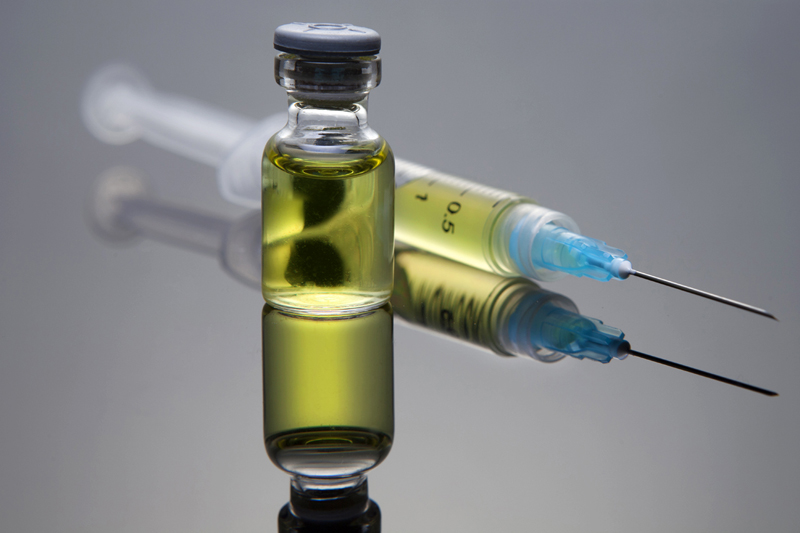
The local anesthetic lidocaine relieves pain, but it can also act on cardiopulmonary function; for example, it is used to treat cardiac arrhythmias and can also trigger them. To minimize these cardiopulmonary side effects beyond local anesthesia and reduce the risk of complications, it is necessary to understand the pharmacokinetics of lidocaine.
When the blood concentration of lidocaine exceeds 6 µg/ml, it begins to affect the muscles and cardiopulmonary function: speech becomes slurred, unintended random muscle movements occur, and in severe cases cardiopulmonary arrest may follow. Because this creates a risk of liposuction side effects and complications, the blood concentration of lidocaine must be kept below 6 µg/ml.
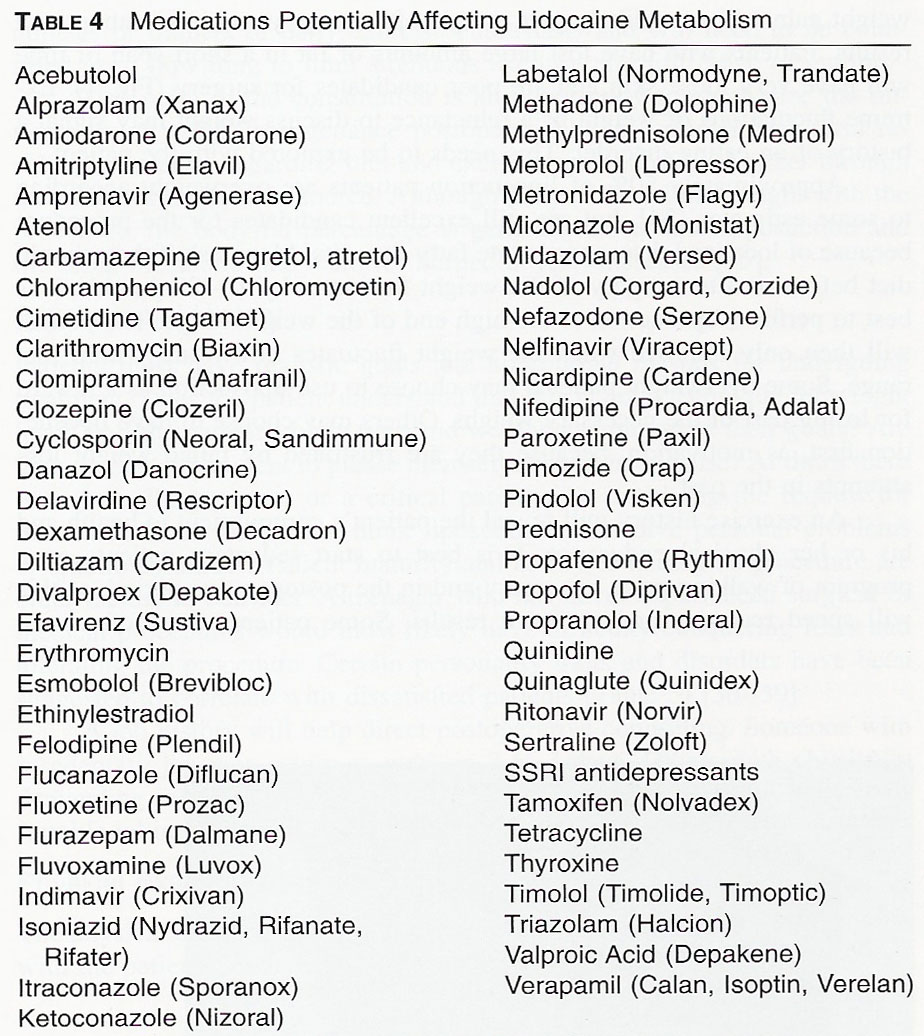
Most lidocaine is metabolized in the liver and excreted through the kidneys. For surgery to be safe, the lidocaine injected into the fat layer must be continuously and actively metabolized and broken down by the liver. Most lidocaine metabolism is carried out by an enzyme system in liver cells called cytochrome P450 3A4 (CYP3A4). If there is a problem with this enzyme, lidocaine is not metabolized properly, its blood concentration rises, and complications can occur. (See the figure below.)
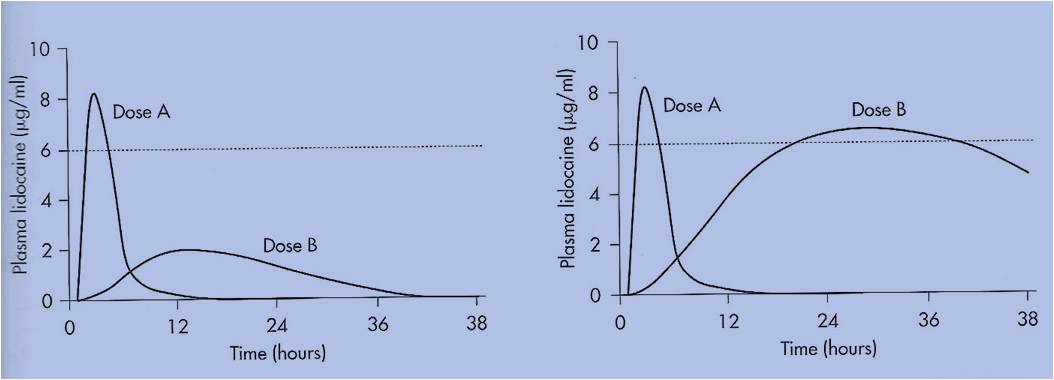
To explain, the Y-axis shows the blood concentration of lidocaine, and the hatched line at 6 µg/ml marks the danger level.
The left graph shows the blood concentration of lidocaine being broken down normally; you can see it takes roughly 48 hours to be completely eliminated. The right graph shows a case where lidocaine is not metabolized well and the blood concentration exceeds the danger level of 6 µg/ml. In this situation, side effects would occur, and you can see that the breakdown also lasts more than 40 hours longer.
This impairment of the liver's detoxification mainly occurs with CYP3A4 antagonists (inhibitors), drugs that reduce blood flow to the liver, or conditions in which liver function is impaired, such as hepatitis or cirrhosis. That is why these drugs must be stopped 2 weeks before liposuction surgery. Antifungal drugs and appetite suppressants among weight-loss medications fall into this category.
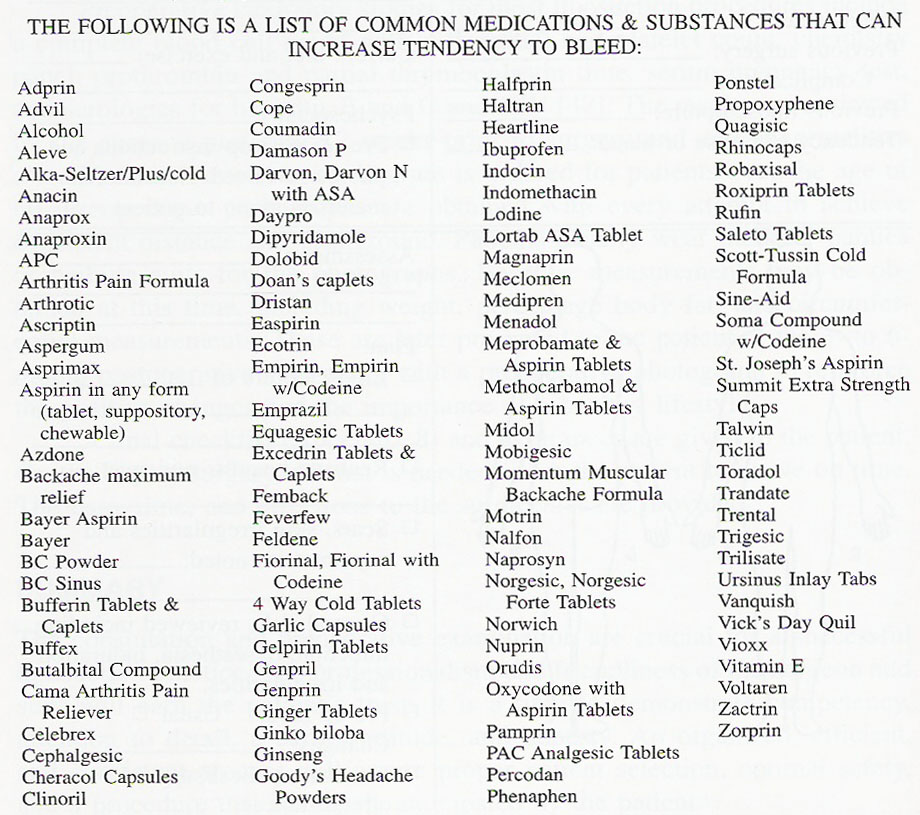
In addition, drugs that inhibit the body's blood clotting must be stopped at least 1 week beforehand; these drugs are listed in the table below. They are mainly painkillers such as aspirin, as well as ibuprofen, vitamin E, ginkgo leaf extract, black cohosh, ginger, and so on. Thermogenic agents and decongestants prescribed together with weight-loss or cold medications also fall into this category.
So if you are already taking any medications before liposuction surgery, you should consult with us in advance.
Lidocaine metabolism normally takes about 48 hours after surgery, which is why we recommend not taking weight-loss medications after surgery either. Because liposuction covers a wide surgical area, the surgery itself and the drugs used during it can tire the liver and cause abnormal liver function. Also, good recovery after surgery requires a good supply of nutrients. For these reasons, I recommend taking weight-loss medications only after 2 weeks, once you have recovered to some extent and we have confirmed there are no problems.
Bleeding after liposuction usually occurs within 3 days and rarely after 1 week. Therefore, painkiller injections or medications should not be used for at least the first 3 days if at all possible, and preferably no other painkillers should be used within the first week.
For more details, please refer to our Venus Clinic website. ^^
References
Care and Process Before and After Liposuction What Is Tumescent Liposuction? Complications and Side Effects of Liposuction
[ Dr. Jung, Director, Venus Clinic ]