Understanding the Recovery Process After Liposuction
Liposuction is a body-contouring procedure that removes the fat layer between the skin and the muscle. After surgery, because the fat layer beneath the skin has been removed, the skin becomes redundant and shrinks; as it does, the skin can ripple and form lumps. This is called the induration (hardening) process. Because of this process, unlike dieting, liposuction is less likely to leave sagging skin; instead, loose skin contracts and a natural appearance can be achieved.
Maximizing skin contraction requires considerable experience and know-how in liposuction. It is particularly useful for correcting breast sagging or reducing breast size with breast liposuction, and for improving sagging buttocks or reducing buttock size.
You need to understand the nature of this induration process (lumpiness) to understand activity after liposuction. Below is the guidance on post-liposuction activity that we give at Venus Clinic.
- Do not drive until at least 24 hours after surgery.
- Most people can return to work 1–2 days after surgery. It depends on the extent and volume of the procedure, but for office work, 1–3 days is usually enough.
- Light exercise can be started once you feel no discomfort after surgery. Vigorous exercise such as tennis, aerobics, or jogging should wait at least 4 weeks after surgery.
- Increase your activity gradually rather than starting exercise suddenly.
- If you have any other questions about activity after surgery, please feel free to contact the clinic.
These points may seem simple, but they are very important. Why? Because after liposuction there is a recovery process called induration.
As the redundant skin contracts, the tiny blood vessels in the fat layer also harden and clump together. This is why activity after liposuction is restricted and not completely free. For example, after arm liposuction, contraction occurs in the area between the armpit and the chest, making it difficult to raise the arm.
This is because the skin has contracted, clumped, and hardened. Medically, the induration process can be described as non-infectious inflammatory fibrosis. The larger the volume of fat removed from an area, the more lumpiness there is and the longer it lasts. This fibrosis is gradually dissolved by enzymes over time; it is not broken up by physical stimulation or massage.
Induration usually peaks 1–2 weeks after surgery. Then the lumps gradually loosen, and the skin becomes softer and more elastic. At that point, natural movement and exercise become possible. That is why you should avoid strenuous activity after liposuction and increase activity little by little as the skin softens. Because every person's constitution is different and health condition at the time of surgery varies, complications and side effects after liposuction can always occur, and adequate preparation for them is necessary.
Complications related to this induration process include hematoma and seroma at the surgical site.
First, a hematoma occurs when, during the induration period, sudden activity tears blood vessels within the contracted, clumped fat tissue, causing bleeding and a collection of blood between the skin and the muscle.
A hematoma is a surgical emergency. Blood collecting within the fat layer creates a space, and secondary separation of tissue that was adhering through fibrosis tears more blood vessels, making the bleeding worse. As a result, blood flow to the skin can be blocked, causing skin necrosis. In such cases, the collected blood must be removed as soon as possible and the bleeding stopped, and a drainage device such as a Hemovac drain should be inserted so that ongoing bleeding drains out of the body instead of collecting.
Second, a seroma is a collection of yellowish fluid formed when the plasma component of blood leaks into the fat layer. During the induration period, continuous and excessive activity moves the skin and muscle layers against each other and causes friction, so the tissues cannot adhere and an empty space forms. Plasma then seeps out of the blood vessels into that space and collects there. In short, the known cause is a failure of the tissues to adhere because of continued activity after surgery.
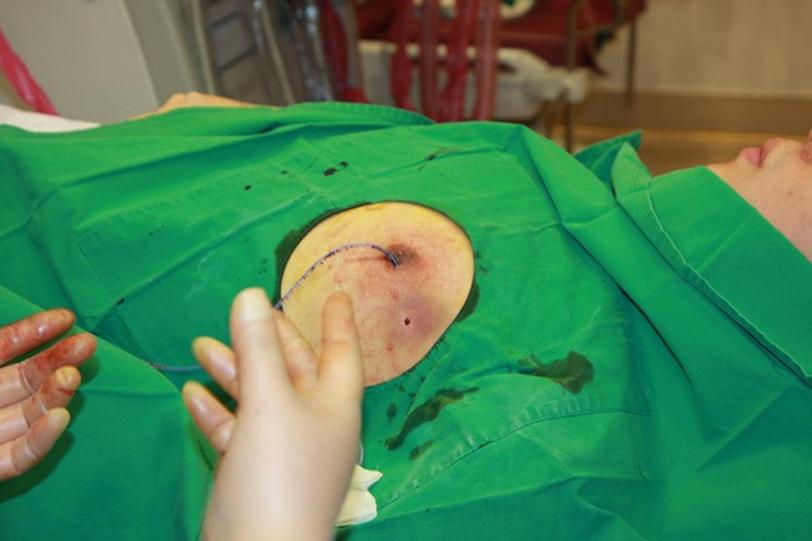
The photo above shows a patient about two weeks after liposuction who fell suddenly and landed on her arm, tearing blood vessels in the fat layer of the armpit and causing a hematoma. The hematoma was removed, and a Hemovac drain was inserted to continuously suction out the collected blood. If you look closely, the skin of the armpit has turned dark, showing that the skin is at risk of necrosis.
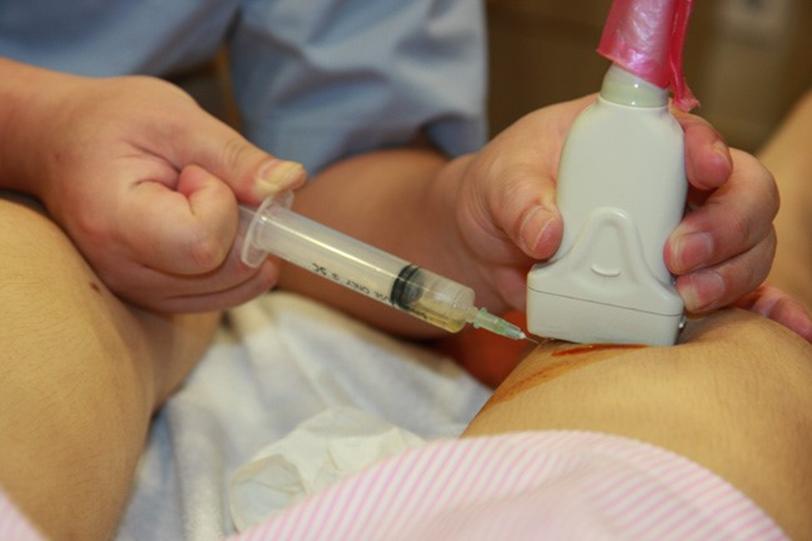
The photo above shows a seroma that developed after liposuction at Venus Clinic being drained with a syringe under ultrasound guidance. To help prevent these complications, we at Venus Clinic explain post-operative care, wearing compression garments, and activity in detail.
Not long ago, a patient who had recently had surgery at Venus Clinic went night skiing about 10 days after arm liposuction. I was shocked when I first heard on our online community (cafe) that she had gone skiing. She had already had thigh and abdominal liposuction at another clinic, and her pre-operative blood test showed that she was already severely anemic, so we had made a particular effort to minimize bleeding during her surgery.
Considering that her anemia would have become worse because she then had arm and back liposuction at Venus Clinic, it was an even more alarming and dangerous thing to do.
Her well-being was of course important, but I was also worried that her post might lead other members to think that skiing is fine about a week after surgery. So, in the form of cautioning her that she should not ski, I let the other members know as well. Surprisingly, she insisted that it was no problem because she is a good skier, and reassured me that I did not need to worry.
However, if you fall, or if the hand holding the ski pole is reflexively jerked and overstretched, the blood vessels inside the clumped skin tissue can tear, which can lead to a dangerous situation. So I take this opportunity to ask everyone else once again: you absolutely must not ski during this recovery period.
Moreover, patients who are anemic because of surgery may become dizzy while skiing. If they fall, or if excessive movement causes bleeding, especially outdoors where emergency transfusion is not available, they would be in even more serious danger. With wound healing already delayed by anemia, hypothermia from the cold and reduced blood flow from vasoconstriction would not only delay recovery after surgery but also increase the risk of injury and bleeding from even minor activity.
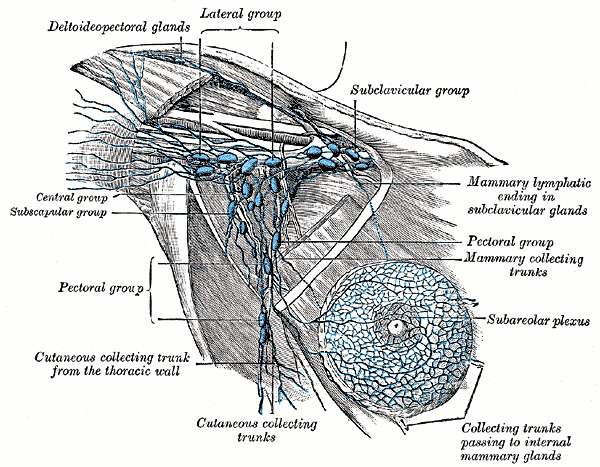
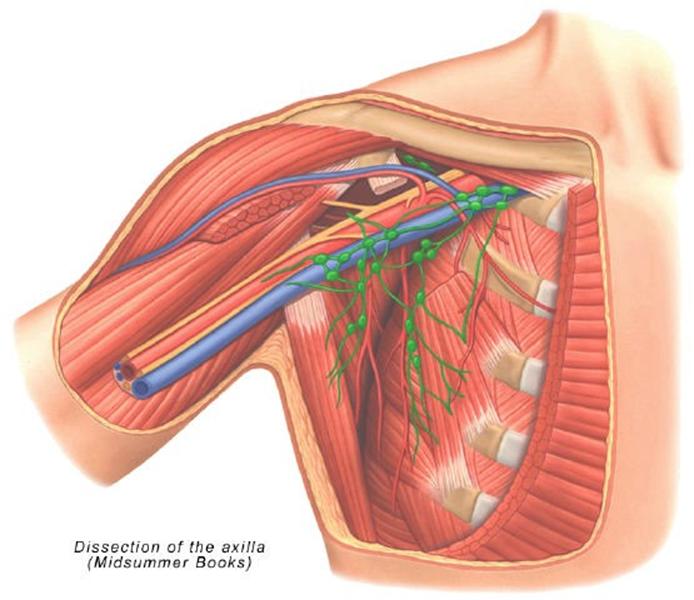
For me, as the surgeon who operated on a patient with anemia, this was simply unacceptable behavior. In particular, in the area running from the armpit to the arm, large blood vessels and nerves lie very close to the skin and are relatively exposed. If these vessels or nerves are damaged by excessive stretching, the risk of serious bleeding or arm paralysis increases. Please remember that activity after arm liposuction requires the greatest caution.
No matter how careful we are, there is always some probability that complications or side effects of liposuction will occur. Therefore, for a surgeon, taking precautions in advance and explaining them so that complications do not occur cannot be emphasized enough.
I believe a good clinic should of course produce good results, but it should also make surgery safer through careful preparation and attention, so that bruising and swelling are reduced and recovery is faster, which in turn lowers the likelihood of complications. And even if a complication does occur, a good clinic manages it appropriately to minimize the harm. In other words, it is a clinic that is always careful and always prepared.
- For additional information, please refer to the links below.
References
Recovery After Liposuction Complications and Side Effects of Liposuction
[ Dr. Jung, Director, Venus Clinic ]