Liposuction and Taking Herbal Remedies
Herbals have been used as medicines for thousands of years, but it is only quite recently that the medical community has begun to pay attention to the danger they can pose when taken before surgery.
Allergic reactions to herbal products are known, and herb-drug interactions are being reported. Some scholars therefore say that the common belief that "anything natural is safe" needs to be challenged.
Herbal medications can affect the heart, and liposuction performed while a patient is taking combination herbal preparations can be fatal because of bleeding, arrhythmia, fainting, thrombosis, interactions with anesthetic drugs, and other reasons.
St. John's wort (Hypericum perforatum, Hyercalm, Centrum Herbals), an ingredient of products commonly classified as over-the-counter plant-based female hormone preparations, has been reported to increase the strength and prolong the duration of anesthetics. Its use should therefore be avoided for 2–3 weeks before surgery to reduce the risk of adverse effects.
St. John's wort can also inhibit MAO (monoamine oxidase). Taking MAOI drugs (tranylcypromine, phenelzine) or drugs with MAOI-like activity (dextroamphetamine, furazolidone, procarbazine, selegiline) together with St. John's wort can cause severe flushing or a rise in blood pressure, seizures, and in severe cases death.
Serotonin is metabolized by MAO type A. Therefore, drugs that inhibit this enzyme should not be given together with St. John's wort. If such drugs and herbals are given at the same time, "serotonin syndrome" may occur — symptoms such as confusion, nausea, sweating, anxiety, high blood pressure, and unresponsiveness to stimuli. This type of reaction can occur with the use of paroxetine and St. John's wort. Using St. John's wort together with tramadol or nefazodone reduces serotonin reuptake and can increase the risk of "serotonin syndrome."
Caution is needed when St. John's wort is used together with sympathomimetics such as phenylephrine, phenylpropanolamine, and pseudoephedrine, as well as psychostimulants, isometheptene, dextromethorphan, and meperidine, because certain plant components have the ability to inhibit MAO. Whether taking St. John's wort, which inhibits MAO, together with tyramine-containing foods and drinks — red wine, enzyme-fermented foods, cheese, pickled herring — is clinically significant has not yet been established. Dopamine and levodopa must be used carefully in patients taking St. John's wort.
Herbs such as licorice or ephedra (ma huang) affect blood sugar and can cause serious problems for people with diabetes. No herb associated with a risk of bleeding should be used together with anticoagulants such as Coumadin, Aspirin, and Ticlid. Valerian (valerian root) can add to the sedative effects of Valium, Xanax, Elavil, Benadryl, or Vistaril.
Ginseng taken with caffeine can cause restlessness (irritability).
Ephedra can raise blood pressure and increase the pulse rate, so it should not be taken with blood pressure medications, Lanoxin, or MAOIs (Nardil, Parnate). The American Society of Anesthesiologists recommends that herbals be stopped 2–3 weeks before surgery, because they can prolong the effects of anesthesia, increase bleeding, slow the return to walking, and cause dangerous rises or falls in blood pressure.
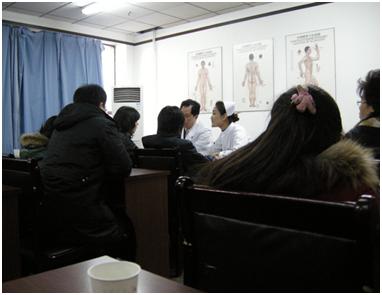
Not long ago I took a trip to China. There is a state-run Chinese pharmacy called Tong Ren Tang, where doctors of traditional Chinese medicine work; after taking a patient's pulse, they prescribe medicine and also sell it to Korean tourists. The medicines made by Tong Ren Tang are said to be herbal medicines.

However, there is no precise information about the drugs, and I worry that judging each person's illnesses and characteristics by pulse-taking alone and prescribing medicine on that basis might actually cause more health problems. If you are taking any medications, interactions between those drugs and herbals could cause unexpected problems.
[Dr. Jung, Director, Venus Clinic]