Types and Evolution of Liposuction Techniques — From Tumescent Anesthesia to Assistive Devices
During consultations, I often hear questions like, "I hear ○○ liposuction is the big trend these days. Do you offer that method too?" Ultrasound, laser, radiofrequency, even water jets — the list of machine names used in liposuction grows every year, and since every advertisement claims less bruising and swelling and better skin tightening, it is only natural to feel even more confused about which one to choose.
Today I would like to walk you through how liposuction has evolved over the past 50 years and what each of the methods in use today actually does, based on evidence from textbooks and published papers. I will start with the foundation of every method — the development of tumescent anesthesia and the cannula (suction tube) — and then cover the layer being suctioned, which determines skin contraction; the assistive devices added on top (power, ultrasound, VASER, laser, water jet, radiofrequency); the surgical standards that developed alongside them; and finally where non-surgical fat-reduction devices stand today. It is a little long, but I hope it helps you know what to ask first in a consultation, beyond the name of a machine.
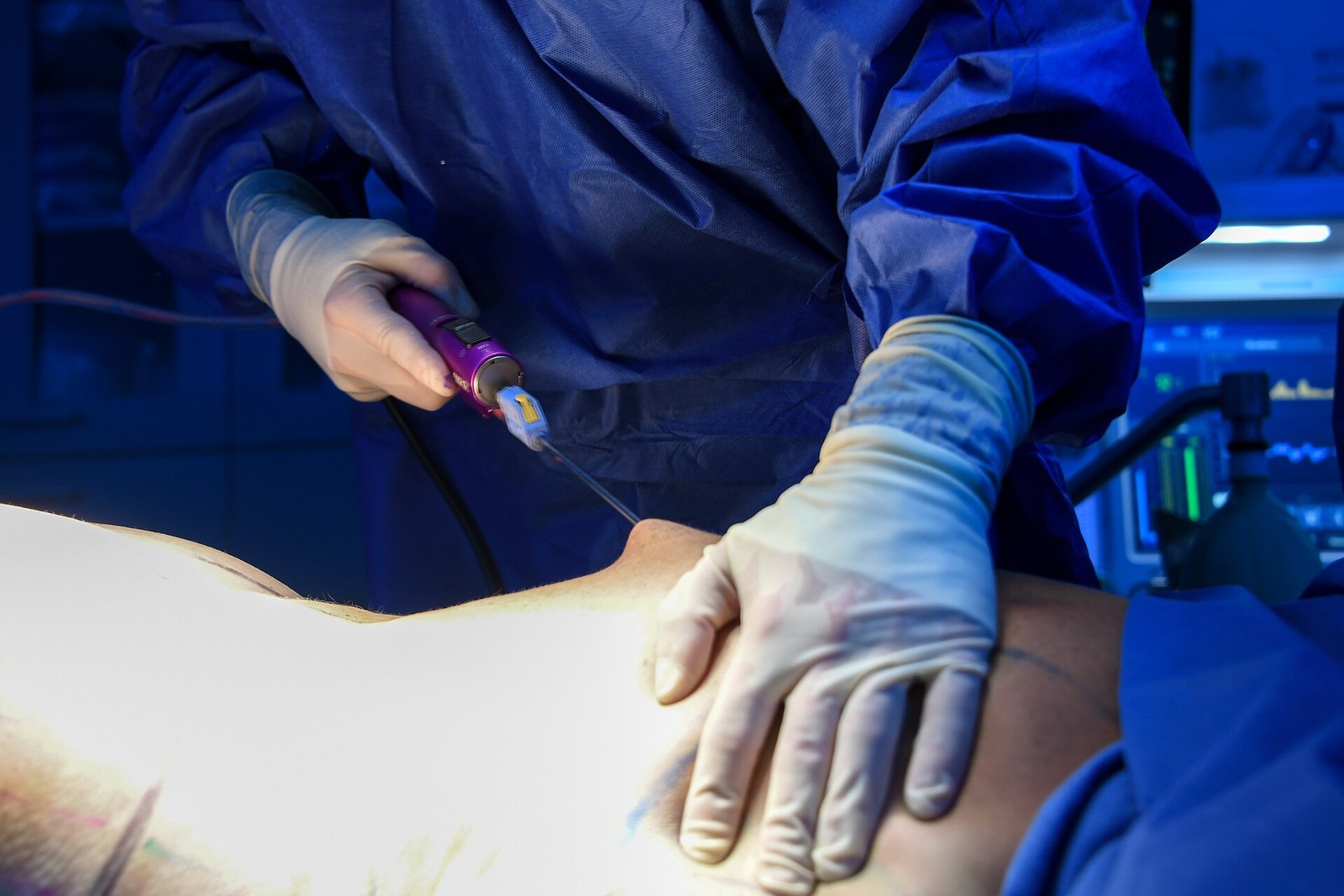
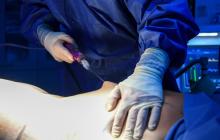
Liposuction being performed in an operating room · Photo: Tyler Frew MD, Wikimedia Commons (CC BY-SA 4.0)
Tumescent Anesthesia Is the Foundation of Every Method
The first thing to know, before any machine name, is that whichever device is used, the step of first infiltrating a medicated solution into the fat layer is the same. Depending on how much of this solution is infiltrated and how, liposuction has evolved in the order dry → wet → superwet → tumescent, and this change transformed the results and recovery of liposuction more than anything else[1][2].
From Dry to Tumescent — The Proportion of Blood in the Aspirate Changed
When liposuction first began in the late 1970s, surgeons used the dry technique, suctioning directly without infiltrating any solution. General anesthesia was required and bleeding was heavy, so about 30% of the aspirated tissue was blood. In a 1992 report in which Harvard Medical School researchers analyzed 108 patients who had more than 1,500 mL suctioned, the proportion of blood in the aspirate was 30% in the thighs and 45% in the abdomen, and every patient was hospitalized and received an autologous blood transfusion[2][6].
Bleeding then decreased through the wet technique, which infiltrates a small amount of solution containing a vasoconstrictor (epinephrine), and the superwet technique, which infiltrates an amount equal to the expected aspirate. Then the tumescent technique, devised by Klein in 1985 and published in 1987, infiltrates a very dilute local anesthetic and vasoconstrictor in amounts large enough to make the skin firm, making it possible to perform liposuction under local anesthesia alone, without general anesthesia[1][2].
In a study Klein published in 1993, all 112 patients — with an average of 2,657 mL suctioned — completed surgery as outpatients without hospitalization or transfusion, and only about 9.7 mL of blood came out for every 1,000 mL of fat removed[2][7]. In other words, for the same amount of fat removed, blood loss fell to a small fraction of what it had been.
| Technique | Amount of solution infiltrated | Proportion of blood in the aspirate | Anesthesia |
|---|---|---|---|
| Dry | None | About 30% (up to 45% in the abdomen) | General anesthesia · no longer used |
| Wet | About 100–300 mL per area | About 15–20% | General anesthesia |
| Superwet | Roughly equal to the expected aspirate (about 1:1) | About 8% | Usually general anesthesia |
| Tumescent | Until the skin becomes firm, about 2–4 times the aspirate volume | Around 1% (about 10 mL of blood per 1 L of fat) | Possible under local anesthesia alone |
What Is Tumescent Solution, and How Does It Work?
"Tumescent" means swollen and firm. Tumescent solution contains about 1 g of lidocaine (a local anesthetic) and about 1 mg of epinephrine in 1 L of normal saline. That is about 20 times more dilute than the commercial anesthetics used in dentistry or anesthesiology[2].
When this dilute solution fills the fat layer, three things happen. First, a wide area is locally anesthetized. Second, epinephrine strongly constricts the capillaries, greatly reducing bleeding. Third, because the blood vessels are constricted, it takes 24–36 hours for the anesthetic to be absorbed into the bloodstream. Since absorption is slow, blood levels do not rise all at once, and pain relief continues for more than a day after surgery[2].
This is why much more dilute lidocaine can be used in tumescent anesthesia than in ordinary anesthesia. Whereas the limit commonly used in anesthesiology is 7 mg per kg of body weight, Klein cautiously set the initial limit for tumescent lidocaine at 35 mg/kg in 1990, and as measurements and experience accumulated, he now recommends no more than 45 mg/kg for slim patients and 50 mg/kg for patients with obesity[1][2]. However, these figures apply only when the solution is well diluted and infiltrated slowly, and the dose must be calculated for each operation, taking interactions with other medications into account[1].
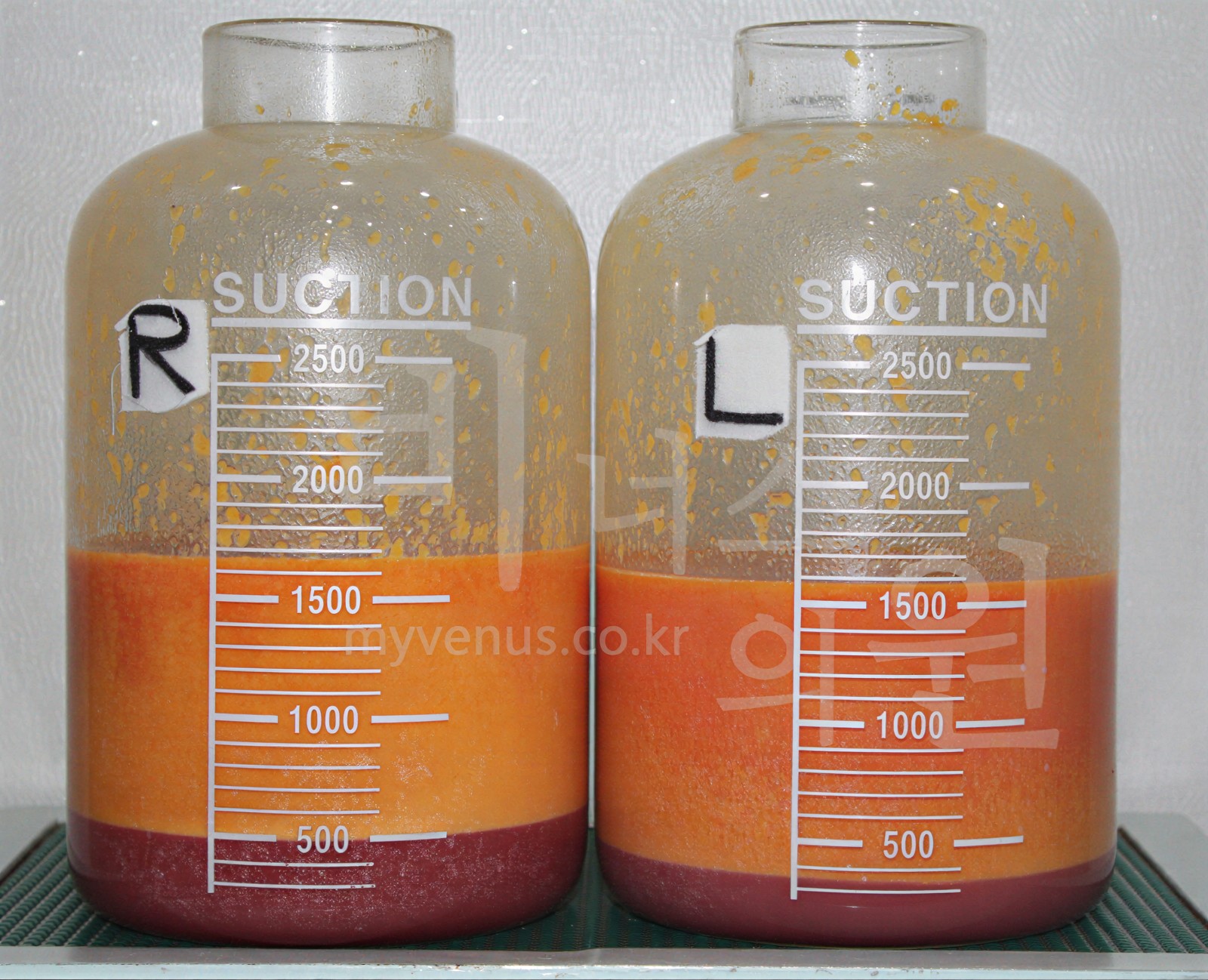
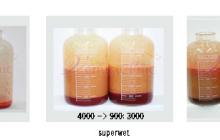
Fat suctioned by tumescent liposuction (upper yellow layer) and the tumescent solution that came out with it (lower red layer) · Photo: Venus Clinic
The photo above shows fat suctioned by tumescent liposuction at our Venus Clinic. The yellow upper layer is fat, and the red lower layer is tumescent solution that came out together with the fat. About 15–25% of the infiltrated solution comes out with the fat, and the rest is absorbed and metabolized by the body.
Cannulas Evolved from Thick Tubes to Thin Ones
Along with tumescent anesthesia, the other major change was the cannula (suction tube). In the early days of liposuction in the 1970s, thick cannulas 6–10 mm in diameter were used. But once tumescent solution could swell the fat layer, enough fat could be removed even with thin cannulas — these are microcannulas. Cannulas with an outer diameter of about 2.7 mm (inner diameter 2.2 mm, 12G) or less are generally called microcannulas[1].
| Size (gauge) | Outer / inner diameter | Main areas of use |
|---|---|---|
| 12G | 2.75 mm / 2.15 mm | Abdomen |
| 14G | 2.1 mm / 1.6 mm | Abdomen · arms and legs |
| 16G | 1.6 mm / 1.2 mm | Arms and legs · face · neck · breasts |
| 18G | 1.27 mm / 0.84 mm | Face · neck · breasts |
Why Thin Cannulas Favor Even Results
A thick cannula removes a lot of fat at once, so it is fast, but even when you try to change direction slightly it tends to slip back into tunnels already made, and the risk of removing too much fat — leaving the skin sunken or uneven — is high. A thin cannula removes less with each pass, but it creates dense tunnels in the fat layer, making it easier to sculpt evenly. Klein explains that instead of the old sequence of «removing fat quickly with a thick cannula and then fixing irregularities with a thin one», the sequence of first making dense tunnels with a thin cannula and then widening them is a way not to «fix» irregularities but to «prevent» them[1][2].
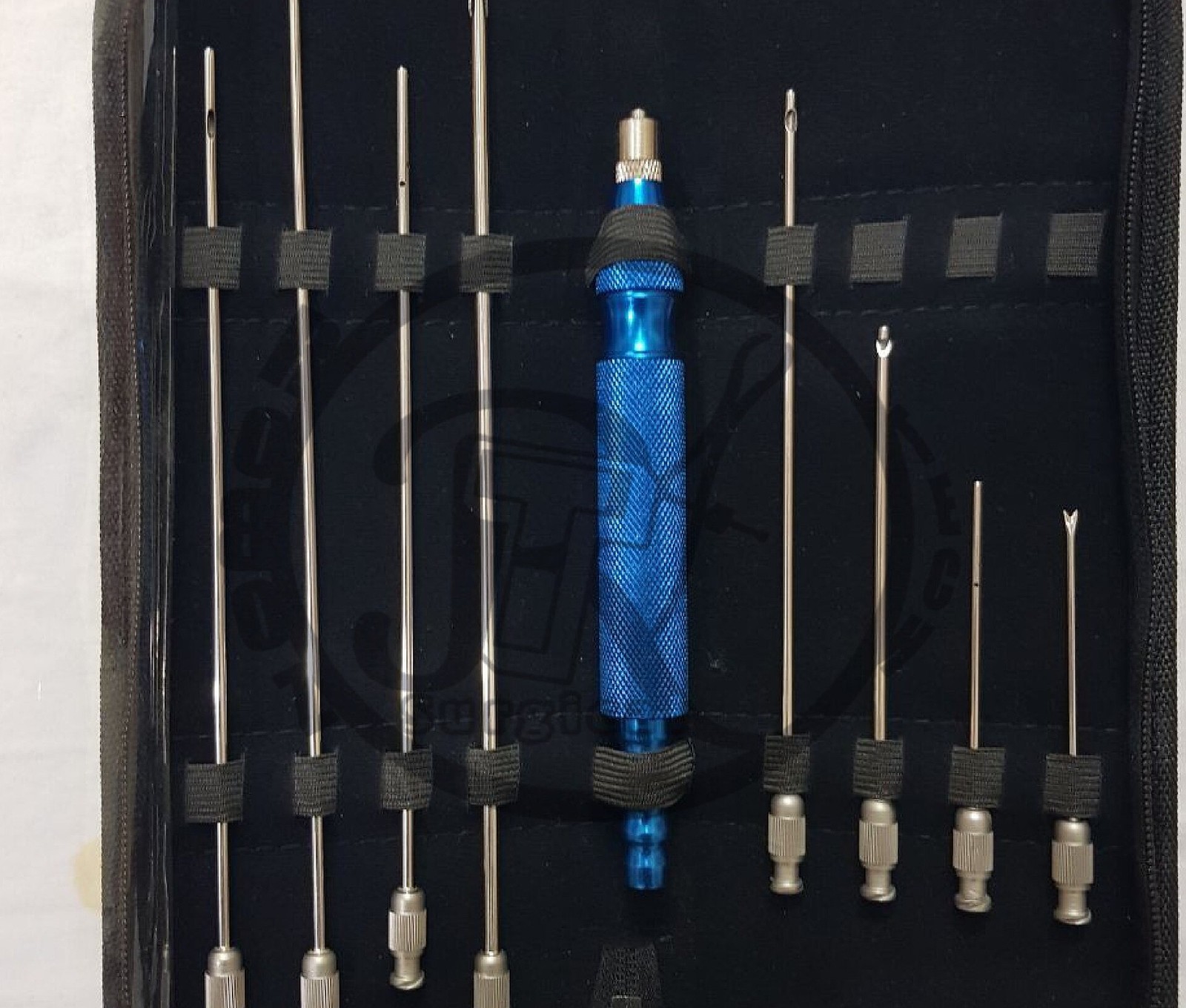
A set of liposuction cannulas with different diameters and tip shapes · Photo: RobozTech, Wikimedia Commons (CC BY-SA 4.0)
Cannulas differ not only in diameter but also in the shape of the openings at the tip. Cannulas with large, numerous openings (e.g., the Capistrano type) are used to remove a lot at once, while cannulas with small openings on one side only (e.g., the Finesse type) reduce the risk of over-suctioning or injuring tissue and are used for delicate sculpting[1]. In addition, a thin cannula can enter through a tiny skin opening of only 1–2 mm, and if these openings are left open rather than sutured, the remaining solution drains well after surgery, which helps reduce swelling and bruising[2].
Thin cannulas do have limits, however. A thin cannula is weaker and frequently clogs with fat, so in large-volume liposuction, where a large amount is removed from a wide area, cannulas with a bore of 3–4 mm are used as well. In the end, there is no fixed «correct size»; what matters is the judgment to switch cannulas according to the area and the layer[1].
Aspirator and Syringe — SAL, the Most Basic Method
After the fat layer has been prepared with tumescent solution, the surgeon moves the cannula back and forth to suction out the fat — this is suction-assisted liposuction (SAL). Because it is also called "traditional liposuction," it can sound outdated, but most liposuction performed today uses this method, and all the devices I will describe below are «assists» added on top of it[8]. There is also a method that suctions using only the negative pressure of a syringe instead of an aspirator. Because the negative pressure is low, it causes less tissue damage, and it is used to harvest fat for fat grafting or in delicate areas[3].
Which Layer Is Suctioned — Superficial Liposuction and Skin Contraction
The skin shrinks after liposuction because the dermis returns to its original elasticity and the fibrous tissue beneath the skin contracts[1]. How much of this contraction occurs, however, depends greatly on which layer of fat was suctioned and how evenly.
Conventional liposuction mainly suctions fat from the deep layer. If only the deep layer is suctioned, volume decreases, but a thick, heavy layer of fat remains beneath the skin, making it hard for loose skin to contract again. That is why superficial liposuction was developed — evenly sculpting even the shallow fat close to the skin with thin cannulas. The textbook summarizes that several authors agree the skin contracts more when suction extends to the superficial layer[3].
Superficial liposuction is a correspondingly demanding technique. If fat is removed too shallowly or too much, the skin can become sunken or uneven, and scraping too aggressively just beneath the skin can leave long-lasting red marks. It therefore requires precision and time to keep the thickness of the remaining fat layer even with thin cannulas.
A Technique of Holding the Skin by Hand — MASST
As surgery progresses and about 20–30% of the tumescent solution has drained out, the solution no longer supports the subcutaneous tissue as firmly, so the tissue moves around more and injury increases. To compensate, a method was devised in which a skilled assistant holds the skin and tissue horizontally in place by hand; this is called MASST (manually assisted skin stabilization technique)[3].
In a comparison of 20 patients reported in the textbook, MASST was applied to one side of the same person and not to the other; more fat was suctioned on the MASST side (1.15 L vs. 0.95 L), and intraoperative pain scores were lower (2.9 vs. 3.5)[3]. It is a small study, but it shows that results can differ through the technique of the «hands» alone, without changing the machine.
Assistive Devices Added to SAL
The devices below all make fat «easier to remove» after tumescent solution has been infiltrated. The machine does not remove the fat for the surgeon — removing the fat with the cannula at the end and shaping the contour is still done by the surgeon's hands. I will go through the principle, the evidence and the precautions for each device in turn.
Power-Assisted Liposuction (PAL)
This device uses an electric motor or compressed air to make the tip of the cannula move back and forth or rotate rapidly, thousands of times per minute. Because the cannula vibrates on its own even when the surgeon moves it slowly, it takes less effort, and it is easier to remove fat from fibrous areas (the back of the flanks, male chest) or from areas undergoing revision. Comparative studies in the textbook also report that the surgeon experienced almost no fatigue and that it was not difficult to learn[4].
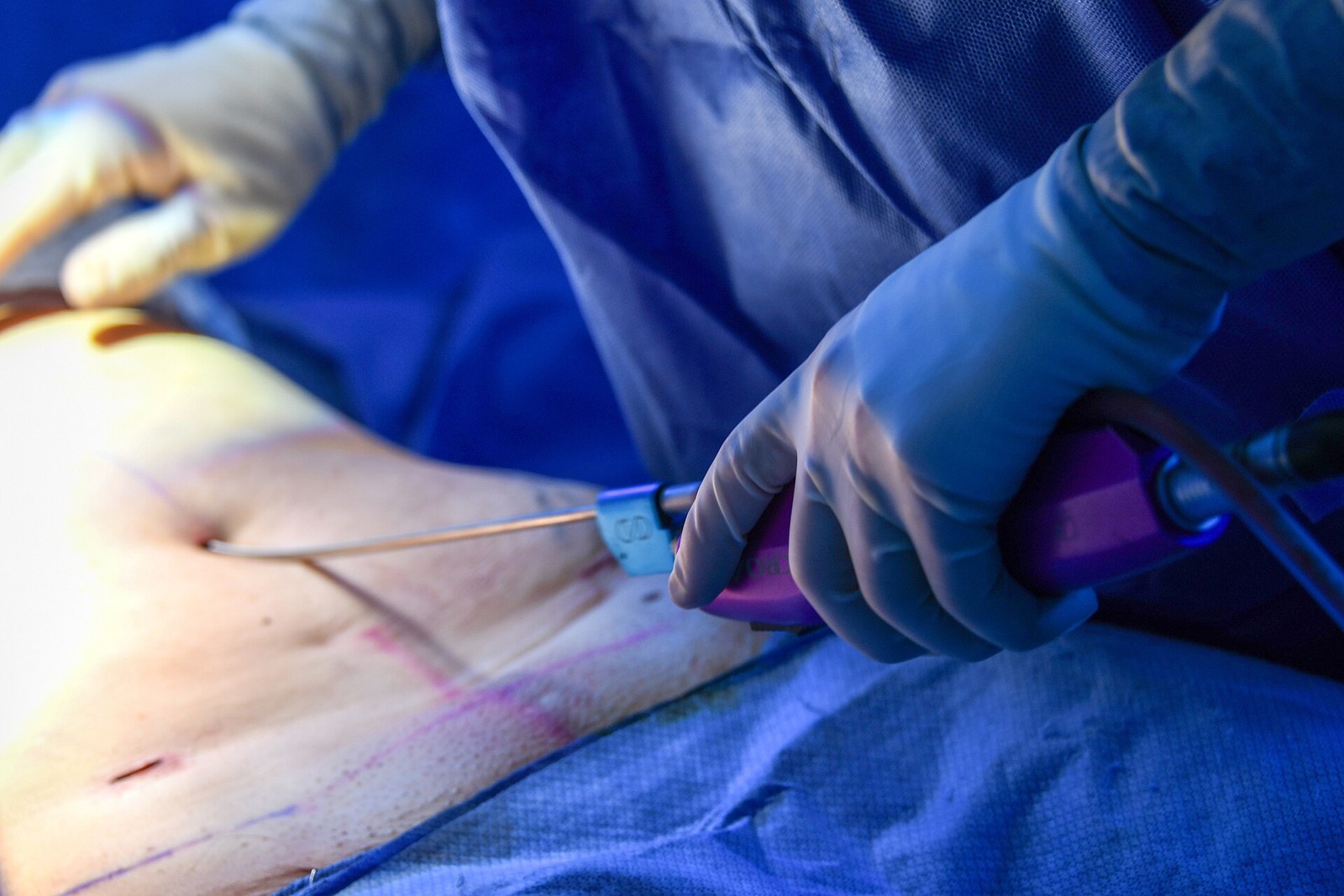
Power-assisted liposuction (PAL) using a motor-driven vibrating cannula · Photo: Tyler Frew MD, Wikimedia Commons (CC BY-SA 4.0)
So does a power device make the skin contract more? In a study that divided the same person's abdomen into a side treated by hand and a side treated by machine and compared them with 3D imaging, there was no statistically significant difference in tissue contraction after 3 months. The machine side showed a slight tendency toward more contraction, but the authors themselves stated that the number of subjects was too small to draw a conclusion[4]. Drawbacks include a heavy, noisy device, and the vibration can cause friction marks or pigmentation at the incision sites.
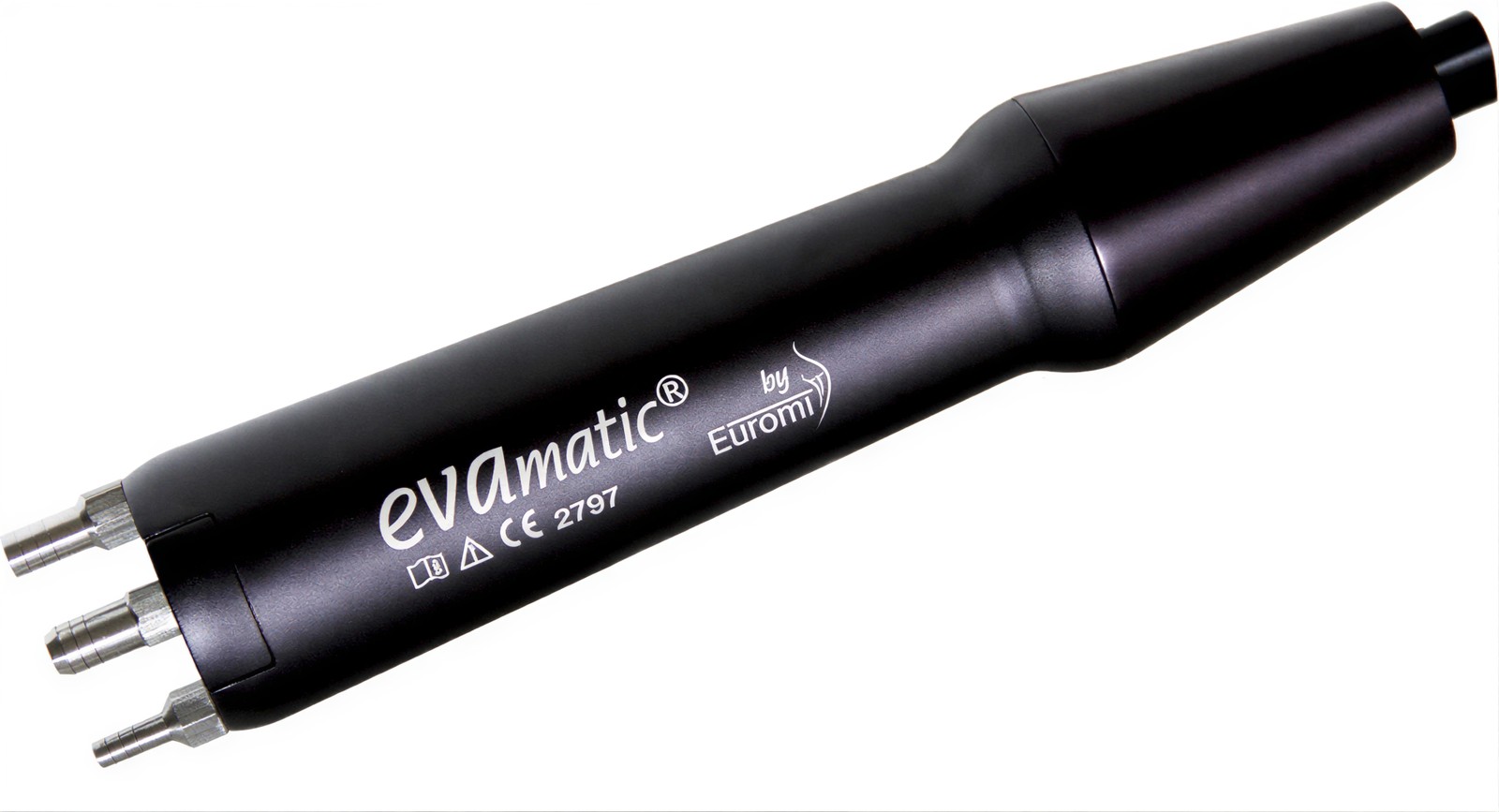
Example of a power liposuction handpiece (EVAmatic) · Photo source: manufacturer Euromi website euromi.com
Ultrasound-Assisted Liposuction (UAL) — First and Second Generation
In this method, fat cells are emulsified — almost melted — by ultrasonic vibration and then suctioned. As ultrasound repeatedly compresses and expands the fatty tissue, tiny bubbles form and burst, a phenomenon called cavitation, which loosens the fat into a liquid-like state. It makes fat easier to remove from fibrous areas, in male gynecomastia, and in revision areas[3].
First-generation devices, which started in Europe, and second-generation devices from the United States, which combine suction and ultrasound in a single cannula, were very popular because of their strong ability to liquefy fat. However, the ultrasound output inside the cannula reached 150 W[1], and when too much energy was delivered, complications such as seroma, skin burns and scarring increased. Klein criticized the early reports as overly optimistic and noted that the complications became known only later[2], and the textbook also warns that inappropriate power or probes can damage tissue excessively, and that ultrasound should be used only in the deep layer[4].
External Ultrasound
There is also a method in which, rather than inside the cannula, a flat transducer is placed on the skin to apply 1–3 MHz ultrasound. It is applied right after tumescent infiltration to soften the fat, or used as an adjunct to reduce swelling after surgery[3]. Its energy is much lower than that of ultrasound inside a cannula, so complications such as skin burns are fewer, but its ability to liquefy fat is correspondingly weaker.
VASER — Third-Generation Ultrasound
VASER, introduced in 2002, is a third-generation ultrasound device designed to reduce the complications of the first and second generations. A thin titanium probe with grooves at the tip emits ultrasound from both the tip and the sides to improve efficiency, and the ultrasound can be delivered in pulses. The textbook explains that it uses only about half the ultrasound energy of earlier devices to liquefy the same amount of fat, reducing the risk of heat-related complications[3]. Even so, because it is a device that uses heat, the probe must be kept moving rather than left in one spot, and it must be used only within an adequate amount of solution[3]. At our Venus Clinic, we also use it as an adjunct for fibrous areas and revision surgery.
Laser-Assisted Liposuction (LAL)
In this method, an optical fiber is placed inside a thin cannula 1–1.5 mm in diameter, and a laser is fired within the fat layer to melt fat cells before they are suctioned. The 1064 nm (Nd:YAG) wavelength, the first to be widely used, has a hemostatic effect and spreads heat widely, while wavelengths such as 1320 nm, which are better absorbed by fat and water, concentrate heat around the fiber[4]. Devices combining several wavelengths followed.
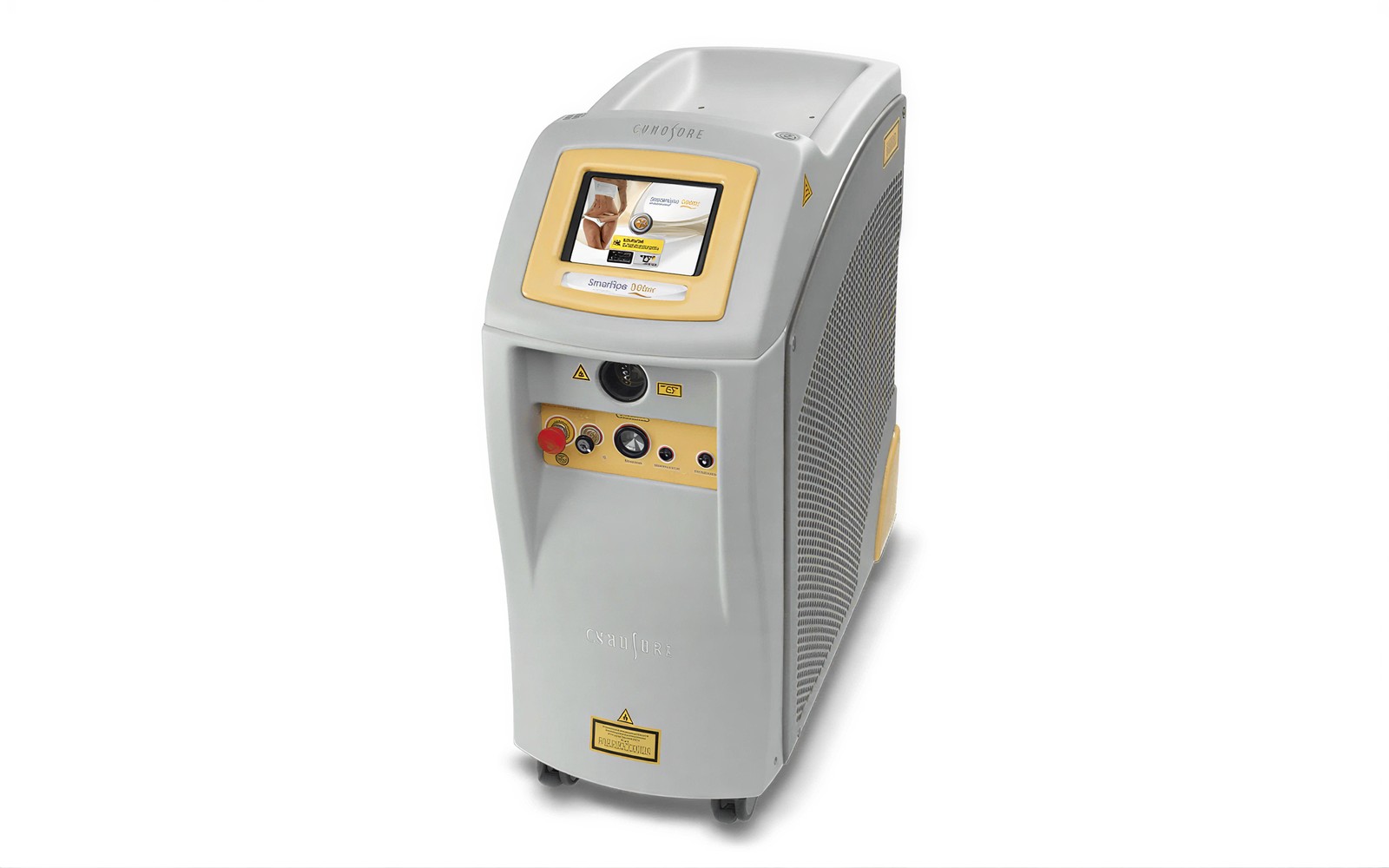
Example of a laser-assisted liposuction device (Smartlipo) · Photo source: manufacturer Cynosure website cynosure.com
There are reports that the heat of the laser helps the skin contract, and a study reporting a 17% reduction in skin area 3 months after laser treatment is also cited[4]. However, in a randomized, double-blind study comparing laser on one side with conventional suction (SAL) on the other, there was no difference in results, and the operation simply took longer by the time spent on the laser[5]. Liposuction cannot be performed with a laser alone; it is used only as an adjunct, and because it uses heat, care must be taken to avoid skin burns.
Water-Jet-Assisted Liposuction (WAL)
In this method, a thin, fan-shaped jet of water is sprayed from the tip of the cannula to detach fat while it is suctioned at the same time (it is known by the name body-jet). Instead of swelling the fat layer with a large volume of solution from the start, solution is added little by little through the water jet during surgery to detach the fat cells. The textbook introduces it as a gentle method with less tissue damage, and because the detached fat cells are less damaged, it is also used to harvest fat for grafting[3].
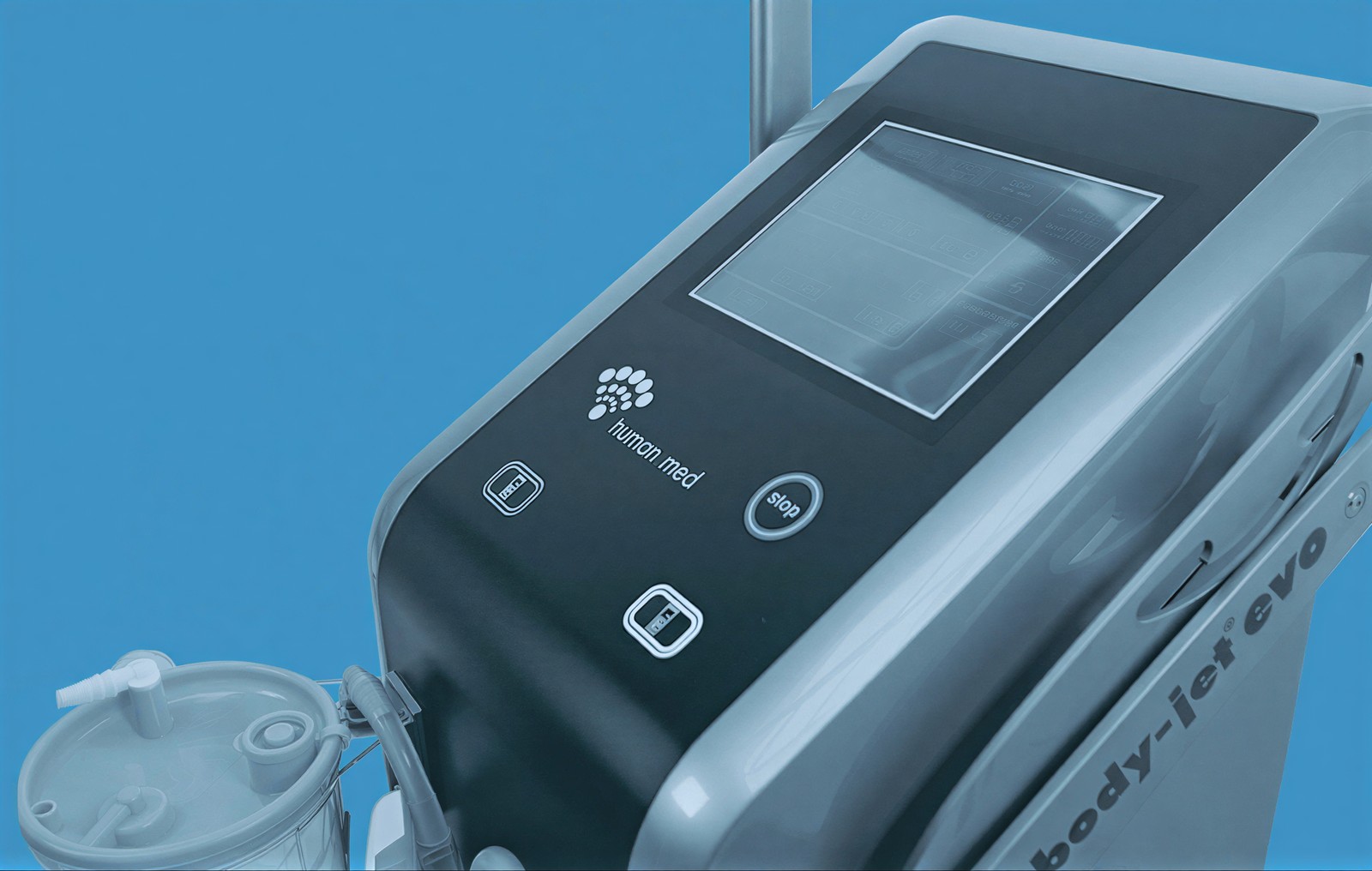
Example of a water-jet-assisted liposuction device (body-jet evo) · Photo source: manufacturer Human Med website humanmed.com
However, a study analyzing the amount of solution actually infiltrated found that the infiltration-to-aspiration ratio of the water jet was about 1.2:1 — closer to superwet (1–1.5:1) than to Klein's tumescent technique (3–4:1)[4]. In other words, anesthesia may be insufficient for treating large areas under local anesthesia alone, and objective comparative data showing better results are still lacking.
Radiofrequency-Assisted Liposuction (RFAL)
In this method, radiofrequency energy is passed between an electrode on the skin and an electrode on the cannula in the fat layer to melt fat and heat the fibrous tissue beneath the skin so that it contracts (it is known by the name BodyTite). In a study reported in the textbook, skin length decreased by anywhere from 12.7% to 47% after 6 months depending on the person and the treatment conditions, and there was a tendency toward more contraction with more energy delivered[4].
However, seromas occurred in the same study, and the authors themselves stated that seroma is not an uncommon complication of energy-based liposuction and that drains should be considered in large-volume surgery. Also, if the tissue beneath the skin contracts more than the skin itself, wrinkles can actually form on the skin surface, so the temperature inside the tissue and at the skin surface must be measured and controlled[4].
| Technique | Principle | Where it mainly helps | Evidence and precautions |
|---|---|---|---|
| SAL (aspirator) | Suction by moving the cannula by hand | Most liposuction | The basis of every method · results vary with the surgeon's experience |
| PAL (power) | Cannula vibrates automatically | Fibrous areas · revision · large areas | Less surgeon fatigue · no significant difference from SAL in skin contraction · friction at incision sites |
| UAL (1st/2nd-gen ultrasound) | Emulsifies fat with ultrasound | Fibrous areas · male gynecomastia | Rarely used today because of seroma, burns and scarring |
| VASER (3rd-gen ultrasound) | Pulsed ultrasound from a thin probe | Fibrous areas · revision | Energy reduced by about half · caution with heat injury |
| LAL (laser) | Melts fat with laser heat | Adjunct for small areas | No difference from SAL in a randomized study · longer operating time |
| WAL (water jet) | Separates fat with a water jet | Gentle suction · harvesting fat for grafting | Actual solution volume close to superwet · comparative data lacking |
| RFAL (radiofrequency) | Melts fat and contracts tissue with RF heat | Adjunct for areas needing skin contraction | Contraction of 12.7–47% reported · seroma, skin wrinkling, heat injury |
Surgical Standards Evolved Too
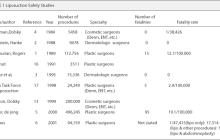
As much as the machines — or even more importantly — what has evolved are the standards for «how much to remove and under what anesthesia». The serious accidents that have occurred in liposuction were mostly related not to the lack of a new machine but to excessive volumes, the management of anesthetic drugs, and blood clots[1].
How Much Is Suctioned in One Day?
Klein presents standards divided by aspirate volume. Surgeons with limited experience should not exceed 1,500 mL per day; large volumes of 1,500–4,000 mL became possible thanks to tumescent anesthesia, but the larger the volume, the harder the recovery; and removing more than 4 L of pure fat in one day is not advisable — it is better to divide it into two sessions several weeks to several months apart. There is also a recommendation that patients be admitted overnight for observation when the total aspirate exceeds 5,000 mL[1].
When considering volume, you should also know that not all of the aspirate is fat. As in the earlier photo, fat and solution come out mixed together, and fat liquefied by an ultrasound device mixes with the solution and can look like more fat than there actually is[1]. Rather than comparing surgeries by aspirate figures alone, it is better to look at the surgical plan and the condition of the remaining fat layer together.
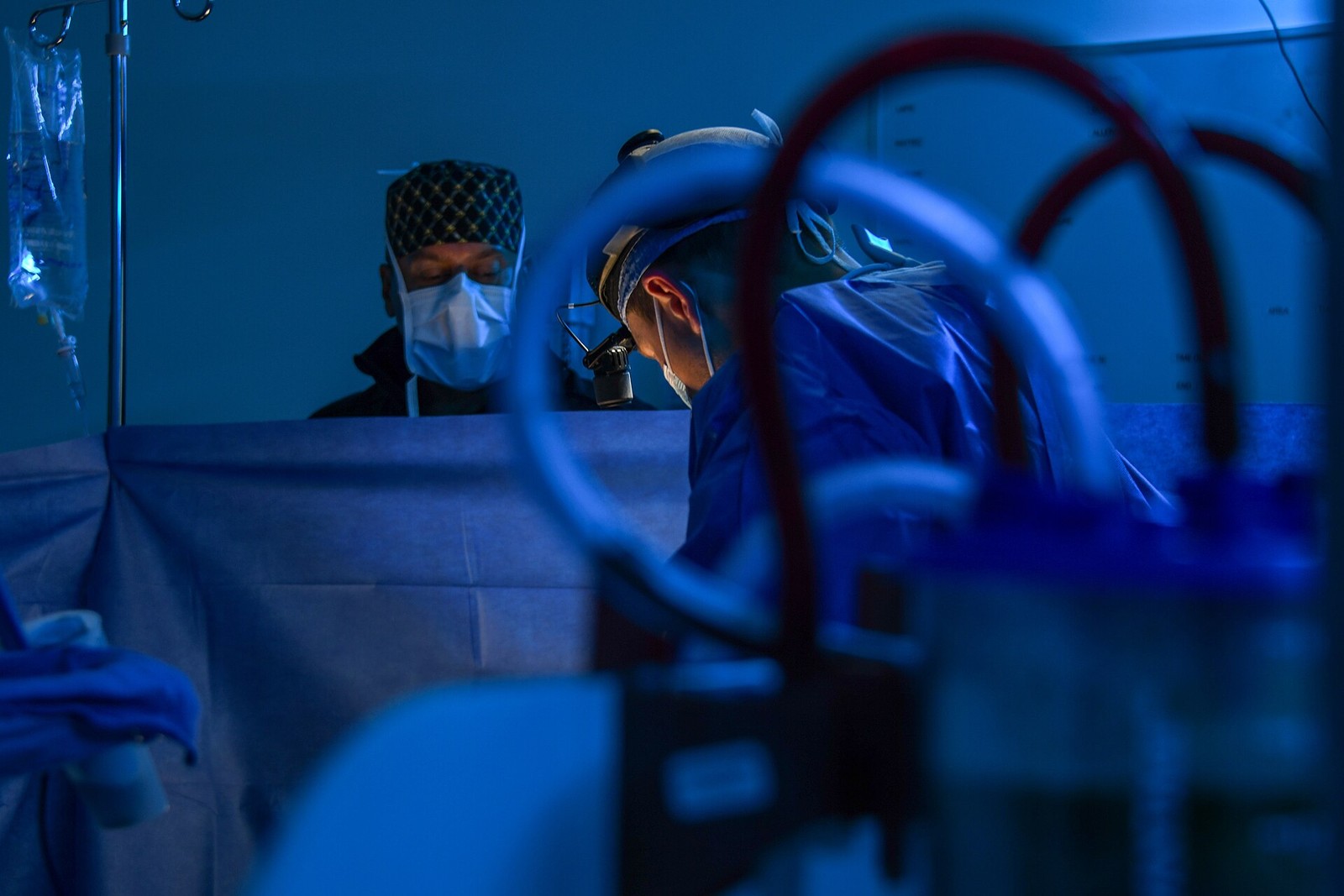
Collection canisters gathering the aspirate during liposuction · Photo: Tyler Frew MD, Wikimedia Commons (CC BY-SA 4.0)
Anesthesia and Drug Management
Operating under tumescent local anesthesia alone avoids the risks of general anesthesia and postoperative nausea and vomiting, and because the solution supplies fluid to the body, there is no need for large amounts of intravenous fluids. In fact, giving too much IV fluid can cause fluid overload[2]. Klein states that he knows of no deaths from lidocaine toxicity in tumescent liposuction performed under local anesthesia alone, yet he cites deaths in superwet liposuction where the lidocaine prescription was not clearly documented, and stresses that drug doses must be calculated and recorded before surgery[1]. He also points out that general anesthesia can increase the risk of blood clots and pulmonary embolism[1]. Large-volume or wide-area surgery is difficult under local anesthesia alone, so sedation is often used as well; even then, managing the total dose of tumescent drugs remains fundamental.
Where Non-Surgical Fat-Reduction Devices Stand Today
In an earlier article, I introduced devices such as cryolipolysis (Zeltiq · CoolSculpting) and high-intensity focused ultrasound (LipoSonix) as «machines not yet approved by the U.S. Food and Drug Administration (FDA) and still in clinical trials». Things have changed since then: the FDA clearance for cryolipolysis devices expanded from the flanks in 2010 to the abdomen (2012), thighs (2014) and submental area (2015), and LipoSonix was cleared in 2011 for «waist circumference reduction»[9].
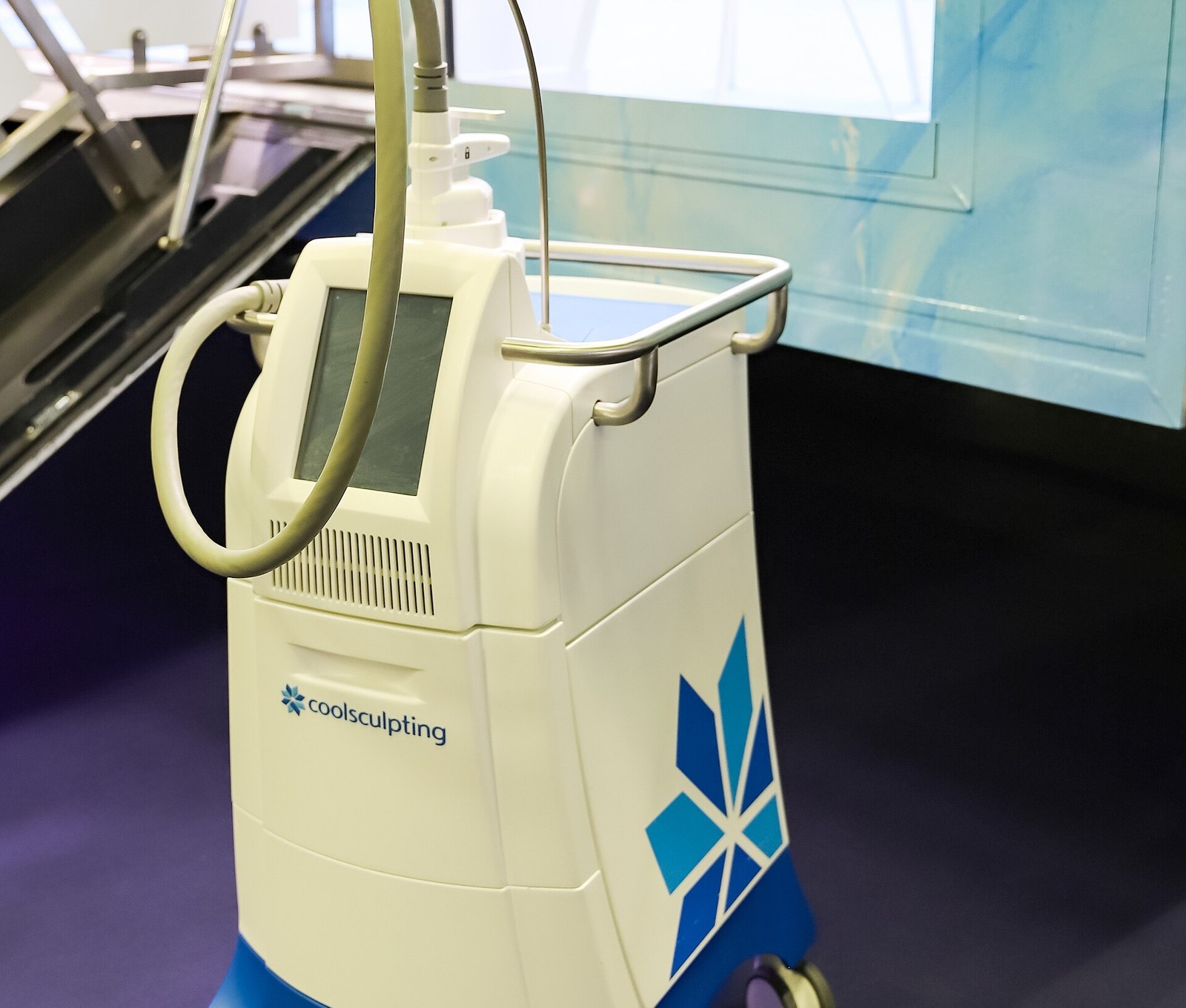
Cryolipolysis device (CoolSculpting) · Photo: dronepicr, Wikimedia Commons (CC BY 2.0)
Cryolipolysis places a cup-shaped cooling plate on the skin and chills the fat layer for a set time, so that fat cells, which are sensitive to cold, gradually decrease. High-intensity focused ultrasound focuses ultrasound from outside the skin onto a single point to generate heat in the fat layer, and radiofrequency devices warm the fat layer with electrical energy. The textbook explains that using external ultrasound on its own, without suction, applies to localized fat smaller than 300 mL[3].
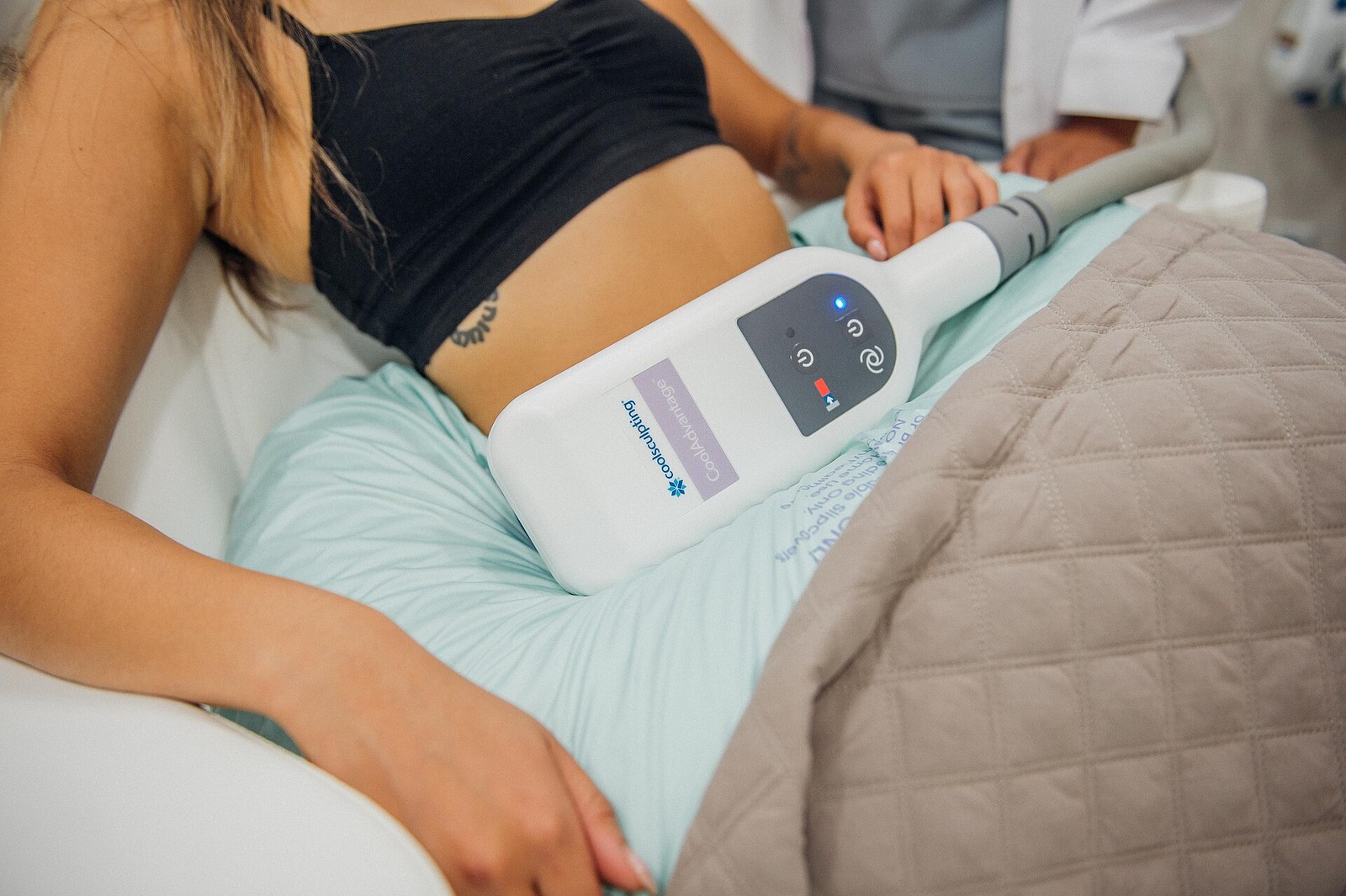
A person receiving cryolipolysis on the abdomen · Photo: Courtney Elizabeth, Wikimedia Commons (CC0)
These devices are non-surgical procedures that reduce fat cells without breaking the skin. The amount and area they can reduce at one time differ from liposuction, and their cleared uses are also defined by body area. So rather than replacing liposuction, they are best seen as a separate option with different indications. Non-surgical procedures often suit small amounts of localized fat, while liposuction often suits cases with larger volume or where the contour needs to be refined, so it is best to decide in consultation after looking at both the amount of fat and the condition of the skin.
How We Do It at Venus Clinic
What Machines Cannot Change
New devices are «tools» that make fat easier to remove or help recovery in some situations. Whatever device is used, evenly sculpting the remaining fat layer is the surgeon's job, and energy-based devices can actually add complications specific to them, such as burns or seroma[3][4]. Results vary from person to person depending on skin elasticity, the original bone structure and muscle shape, and weight changes after surgery.
What to Check Before the Machine
Klein stresses that a surgeon who wants to perform liposuction must first master the management of anesthetic drugs and a feel for handling the cannula, even before surgical hand skills[1]. Rather than the name of a machine, please first ask how many of those surgeries the surgeon has performed, how much they plan to suction in one day, what kind of anesthesia will be used, and how complications are handled if they occur.
Our Approach at Venus Clinic
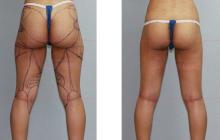
At our Venus Clinic, suction-assisted liposuction (SAL) based on tumescent anesthesia is our basic method, and when needed — for fibrous areas or revision surgery, for example — we use a power liposuction device (Lipomatic) and VASER as adjuncts. Depending on the area and layer, we use thin microcannulas together with syringe suction to perform superficial liposuction that evenly sculpts the fat right up to the layer just beneath the skin, aiming to encourage loose skin to contract.
We remove the fat that needs to be removed as thoroughly as possible, and smooth the contour so that it does not become uneven. For large-volume liposuction over wide areas, two surgeons operate together to shorten the operating time while still sculpting the superficial layer without rushing. Rather than relying on machines, we plan in advance which layer of fat to treat and how, and we take the time to follow that plan and sculpt by hand to the very end.
References
- Klein JA. Tumescent Technique: Tumescent Anesthesia & Microcannular Liposuction. Mosby; 2000. Chapters 4, 6, 10, 15, 20, 21, 23, 27–29.
- Klein JA, Kassardjian N. Liposuction Techniques; Tumescent Liposuction; Dry, Wet and Super Wet Technique; Ultrasonic Assisted Liposuction. liposuction.com.
- Shiffman MA, Di Giuseppe A, eds. Liposuction: Principles and Practice. Springer; 2006. Chapters 20, 32–35, 40, 43, 45, 49, 70.
- Serdev N, ed. Advanced Techniques in Liposuction and Fat Transfer. InTech; 2011. Chapters 5–9.
- Prado A, Andrades P, Danilla S, et al. A randomized, double-blind, controlled clinical trial comparing laser-assisted lipoplasty with suction-assisted lipoplasty. Plast Reconstr Surg. 2006;118(4):1032-1045.
- Courtiss EH, Choucair RJ, Donelan MB. Large-volume suction lipectomy: an analysis of 108 patients. Plast Reconstr Surg. 1992;89(6):1068-1079. (as cited in liposuction.com)
- Klein JA. Tumescent technique for local anesthesia improves safety in large-volume liposuction. Plast Reconstr Surg. 1993;92(6):1085-1098.
- Stephan PJ, Kenkel JM. Updates and advances in liposuction. Aesthet Surg J. 2010;30(1):83-97.
- U.S. FDA De Novo DEN090002 (cryolipolysis, 2010) · 510(k) K100874 (LipoSonix, 2011). Course of indications as cited in Bernstein EF. J Cosmet Dermatol. 2016.
In Closing
Over the past 50 years, liposuction has advanced greatly as tumescent anesthesia, thin cannulas, techniques for treating the superficial layer, and standards for volume and anesthesia have become established. Various assistive devices have been added on top, but each has its own advantages and disadvantages, and none can be said to be better in every case. That is why, when choosing liposuction, I believe a sound criterion is to look at the experience and skill of the operating surgeon rather than the name of the machine.
References: History of Liposuction Classification of Liposuction Liposuction Equipment and Methods Microcannula Liposuction Medicine Has No Trends Complications and Side Effects of Liposuction Liposuction.com Techniques
Dr. Hakjun Kim, Director, Venus Clinic





.jpg)
