Why Liposuction Revision Is Difficult
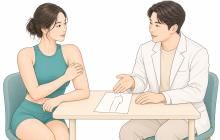
During consultations, I often hear comments like "I had liposuction, but my abdomen has become lumpy," "One spot is sunken in, but the area right next to it still has fat," and "If I have surgery again, can it become as smooth as before?" Because these patients have already been through surgery once, they very much want it fixed properly this time, and they are understandably worried.
Today I would like to explain why liposuction revision is more difficult than the first surgery. Drawing on textbooks and our experience at Venus Clinic, with sources, I will go over the fibrosis and adhesions that form in the fat layer after the first surgery, depressions that cannot be corrected by removing more fat, and the things that even revision surgery cannot change.

Revision Surgery Starts Under Different Conditions
In a first liposuction, the fat layer is soft and evenly layered, so the surgeon can feel the path of the cannula with the fingertips and contour at a consistent depth. An area that has already been operated on is a different story. In our Venus Clinic guide to revision surgery, we have noted that revision is about twice as difficult as the first surgery. [1]
Fibrosis and Adhesions Form Within the Fat Layer
Liposuction removes fat by creating many small tunnels in the fat layer. As these areas heal after surgery, scar tissue forms; this is called fibrosis. The textbook explains that even when the fibrous connections between the skin and the fat are cut, they reattach to the skin over time through scar fibrosis. [3] In particular, where too much fat has been removed, so little fat remains that the skin may adhere directly to the muscle fascia. [1][2]
The Cannula Does Not Pass Easily and the Layers Are Hard to Distinguish
A fibrotic fat layer is firm and tough. When the cannula is pushed in, it catches instead of gliding smoothly, and it is much harder than in the first surgery to tell by touch which layer should be preserved and which should be removed. Because it is harder to stay at the same depth, contouring evenly becomes harder as well.
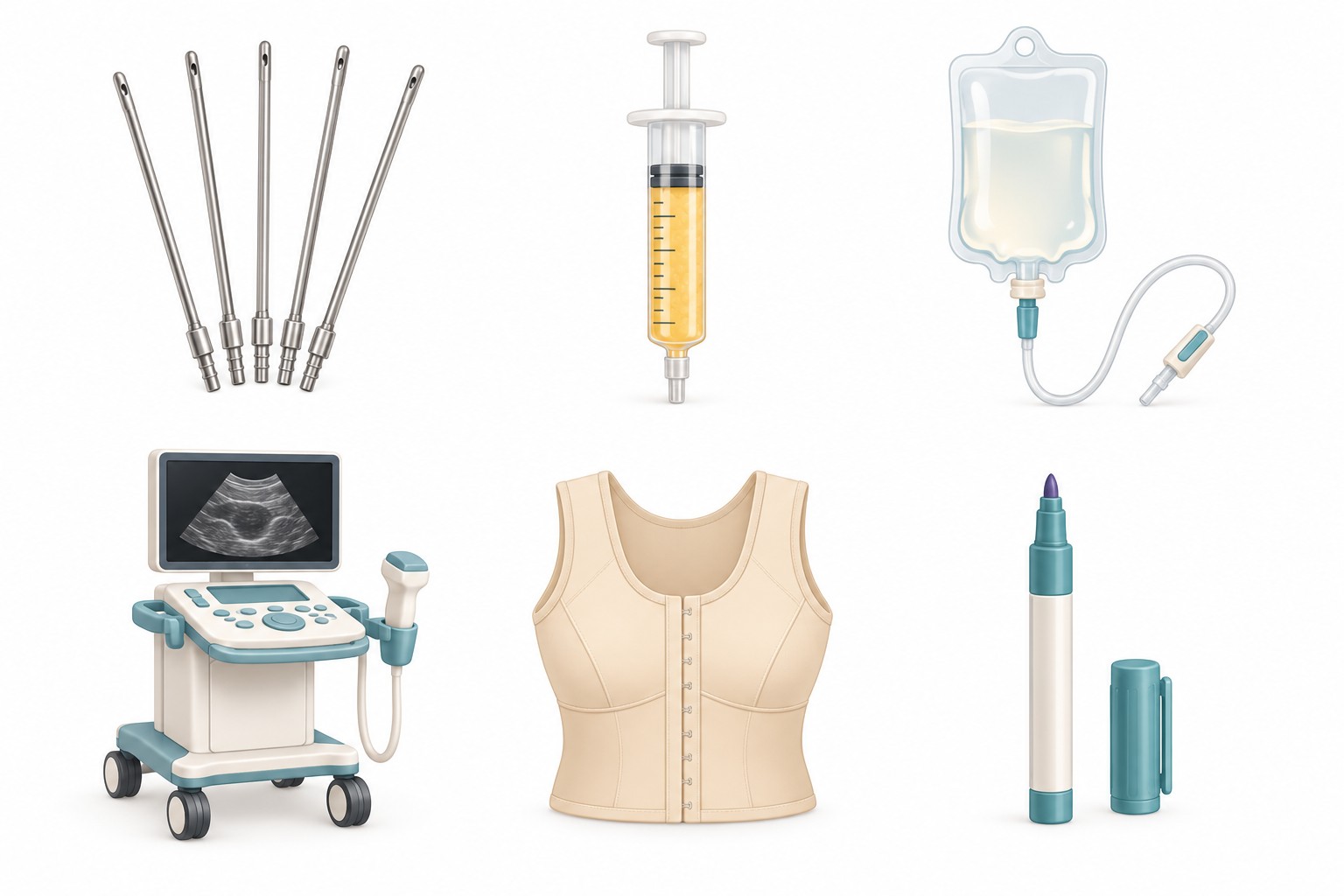
That is why, at Venus Clinic, the more a case involves revision, the more often we use thin micro-cannulas to open paths little by little and check by hand. For areas hardened by fibrous tissue, we use ultrasound equipment locally when needed. A review article on ultrasound-assisted liposuction also notes that it can be helpful in heavily fibrotic areas and in revision liposuction of scarred tissue. [5]
Over-Removed Areas Cannot Be Fixed by Removing More
What people considering revision worry about most is a sunken area, that is, a depression. A depression forms not because there is "too much" fat left but because there is "too little," so it cannot be fixed by suctioning that spot again.
Depressions Result from Excessive, Uneven Removal
The textbook gives a separate name to the condition in which excessive and uneven fat removal leaves depressions, dimples, and grooves in the skin, and describes it as the most common undesirable outcome of liposuction. It tends to occur when the layer close to the skin is suctioned unevenly, when an overly large cannula is used, or when positioning during surgery is not appropriate. [3] The explanation that suctioning too much, or too close to the skin, can cause depressions and wavy irregularities follows the same line. [4]
Contouring the Surroundings and Filling with Fat Grafting
To correct a depression, we do not work on the sunken spot itself; instead, we contour the raised areas around it to even out the height and fill the sunken spot by grafting the patient's own fat. [4] A method of releasing the surrounding fat and shifting it toward the depression has also been described. [4] Where the skin has adhered to the muscle fascia, the adhesion must first be released to create a space before fat can be grafted into it, which makes the surgery more demanding. [1]
Deep Depressions May Not Fully Recover
The textbook warns that some depressions caused by excessive liposuction are permanent and do not recover even with fat grafting. [3] In our experience at Venus Clinic as well, cases that have become lumpy due to adhesions can be improved by revision compared with their current state, but returning them to their original condition is difficult. [1][2] The degree of improvement varies from person to person depending on the depth of the depression, the extent of the adhesions, and the condition of the skin.
Re-Balancing the Whole Line, Not Just One Spot
When you look closely at a body that needs revision, it rarely has just one problem. Often, areas with leftover fat and areas that were over-removed and sunken are mixed within a single line, and the balance with surrounding untreated areas is also off. [1]
Three Situations That Call for Revision
At Venus Clinic, we generally explain the situations that call for revision in three categories. [1]
| Situation | How it looks | Revision approach |
|---|---|---|
| Wanting to reduce size further | The fat layer remains overall, or it has thickened again due to weight gain after surgery | Suction the remaining fat again |
| Balance lost after partial surgery | The body shape looks awkward because of the thickness difference between treated and untreated areas | Re-plan the entire line, including the previously treated areas |
| Lumpiness from excessive suction | Leftover and sunken areas are mixed, with spots where the skin has adhered to the muscle fascia | Suction the leftover areas; release adhesions and graft fat into the sunken areas |
Of these, the third, lumpiness from excessive suction, is the most difficult and demanding revision. In most cases the overall body balance is also disrupted, and the thickness of the fat layer differs from spot to spot. [1][2]
Evening Out the Thickness of the Remaining Fat Layer
For this reason, revision should not be a surgery that only touches up one sunken spot or one bulging spot on its own. If you remove a little more fat only where some remains, a new border forms with the sunken area right next to it; if you only fill the sunken spot, the surrounding bulge stays as it is. At Venus Clinic, we treat the entire connected line as a single unit and plan so that the thickness of the fat layer left after surgery is even across the whole line. The same applies to left and right: rather than suctioning one side more to match, our basic principle is to make the remaining thickness the same on both sides.
In short, at Venus Clinic we remove the fat that should be removed as thoroughly as appropriate, and we contour the line smoothly so that it is not lumpy. In revision, the only addition is "filling the areas that have already sunken"; the principle is the same.
What Revision Cannot Change
What revision can improve is the thickness and distribution of the fat under the skin. Other things may remain even after revision, so we explain them in advance during the consultation.
Skin Scars Attached to the Fascia
The textbook explains that when a skin scar is directly attached to the muscle fascia, it cannot be removed by liposuction. [3] Depressed scars or spots pulled in by attachment to the fascia are not smoothed out by liposuction alone, and depending on the shape and location of the scar, separate scar surgery may need to be considered as well. [3]
Natural Asymmetry of Bone and Muscle
As the fat layer becomes thinner, the shape of the muscle and bone beneath it shows through. So the result of liposuction ultimately follows the bone and muscle structure a person was born with. If the pelvis, ribs, or muscles are naturally different on the left and right, that difference will remain after revision. Trying to correct this by removing more fat on one side changes the thickness of the remaining fat layer and can easily make the two sides more uneven.
That Is Why Examination and Planning Come First
Because the conditions are harder than in the first surgery and some things cannot be undone, in revision the pre-operative examination and planning determine the outcome as much as surgical technique does.

We Look Standing, Examine by Touch, and Record with Photos
In a revision consultation, we look at the front, side, and back with the patient standing, and check by hand, one by one, where fat remains, where it has sunken, and where it is firmly adhered. The textbook also recommends pointing out any pre-existing asymmetry to the patient before surgery and documenting it thoroughly with photographs. [4] Based on this examination, we decide where to suction, where to fill, and how far along the line to extend the contouring.
The Degree of Improvement Depends on the Condition
Even with the same revision, the results one can expect differ by condition. For example, in buttock revision at Venus Clinic, grades 1 and 2, with only buttock sagging or only a double fold, often recover to something close to their original appearance, whereas in grades 3 and 4, with both a double fold and sagging, full recovery is practically difficult and we aim for a certain degree of improvement. [6] That is why, in the consultation, we first explain how much improvement is possible and what may remain.

Limits: The Goal Is "Improvement," Not Restoration
It is more accurate to understand revision not as a surgery that returns you to the state before the previous surgery, but as one that makes the line more even and restores balance compared with now. The more severe the adhesions or the deeper the depression, the more likely some irregularity is to remain, and if not all of the grafted fat survives, additional fat grafting may be needed. Also, if you gain weight after surgery, fat can build up again in the treated areas, and even more in untreated areas, which can change the balance again. [1] It is a good idea to keep managing your weight after revision as well.
References
- Venus Clinic. Liposuction revision cases by type. https://myvenus.co.kr/reoperation/396494
- Venus Clinic. Abdominal liposuction revision. https://myvenus.co.kr/reoperation/396544
- Klein JA. Tumescent Technique: Tumescent Anesthesia & Microcannular Liposuction. Mosby; 2000. Chapter 8·25·28·35.
- Shiffman MA. Prevention and Treatment of Liposuction Complications. In: Shiffman MA, Di Giuseppe A, eds. Liposuction: Principles and Practice. Berlin: Springer; 2006. Chapter 50.
- Cooter R, Babidge W, Mutimer K, et al. Ultrasound-assisted lipoplasty. ANZ J Surg. 2001;71:309–317.
- Venus Clinic. Volume-up liposuction revision for buttock sagging (ptosis) or a double fold. https://myvenus.co.kr/reoperation/439326
Before-and-After Photos
Both patients below had liposuction at another medical institution and later had revision surgery at Venus Clinic. The photo information lists the date of the revision at Venus Clinic. If swelling or bruising is visible in the post-operative photos, these are not yet the final results, and the line will change somewhat further as recovery progresses.
Case 1
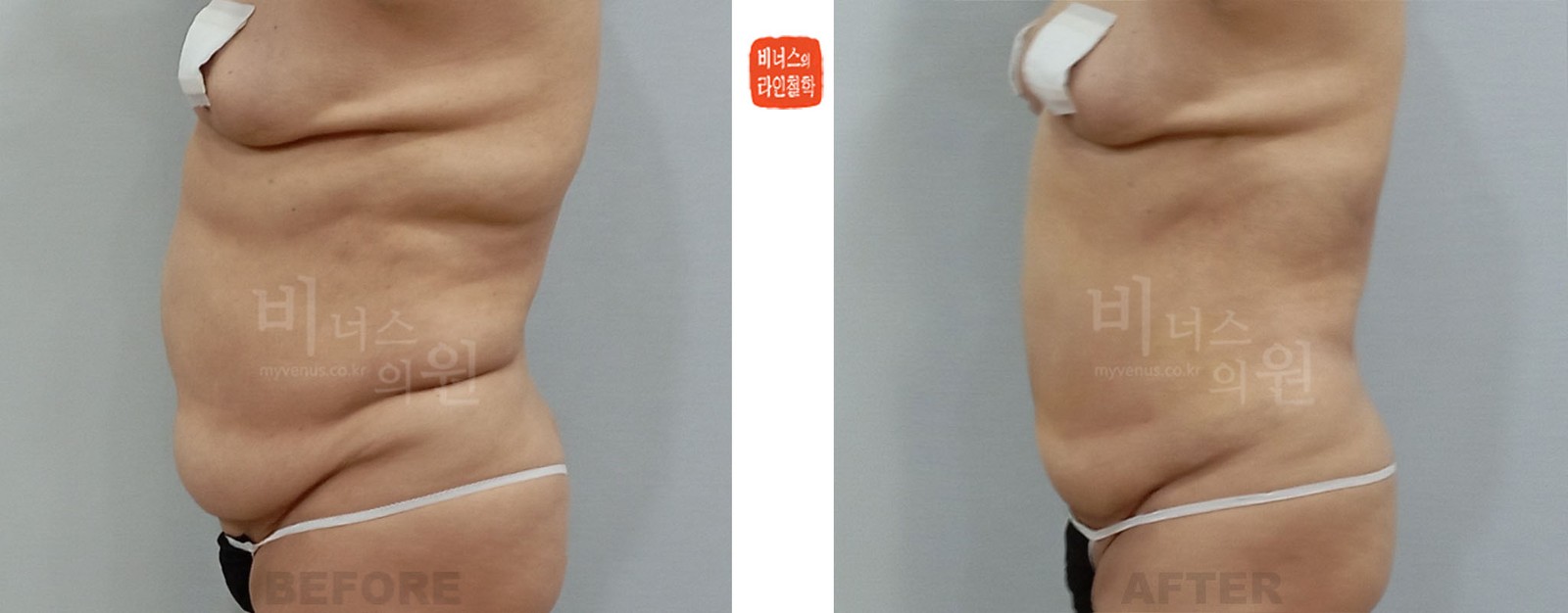
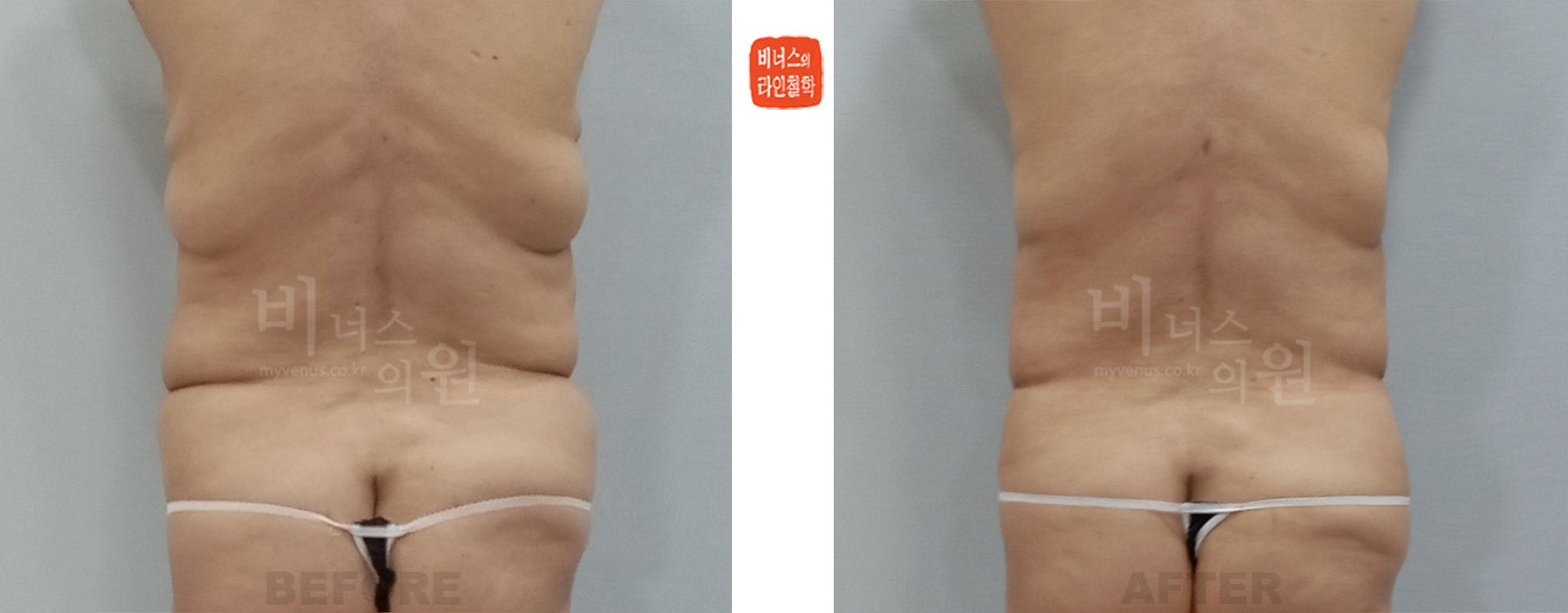
This patient had abdominal liposuction at another medical institution and then had revision of the front abdomen and flanks at Venus Clinic. Before surgery, the side view showed the abdomen protruding forward with folded contours in the upper and lower abdomen; after surgery, the protrusion and folded contours were reduced. In the back view, the folded-out volume on both flanks was reduced, and the waistline became more defined.
| Information on the Posted Liposuction Before-and-After Photos | |||
|---|---|---|---|
| - Same person | Surgery performed at Venus Clinic; same person | - Date taken | Surgery on April 14, 2025 (revision case at Venus Clinic) |
| - Same conditions | Edited to the same posture and size as closely as possible | - Side effects | https://en.myvenus.co.kr/should_know/38861 |
Case 2
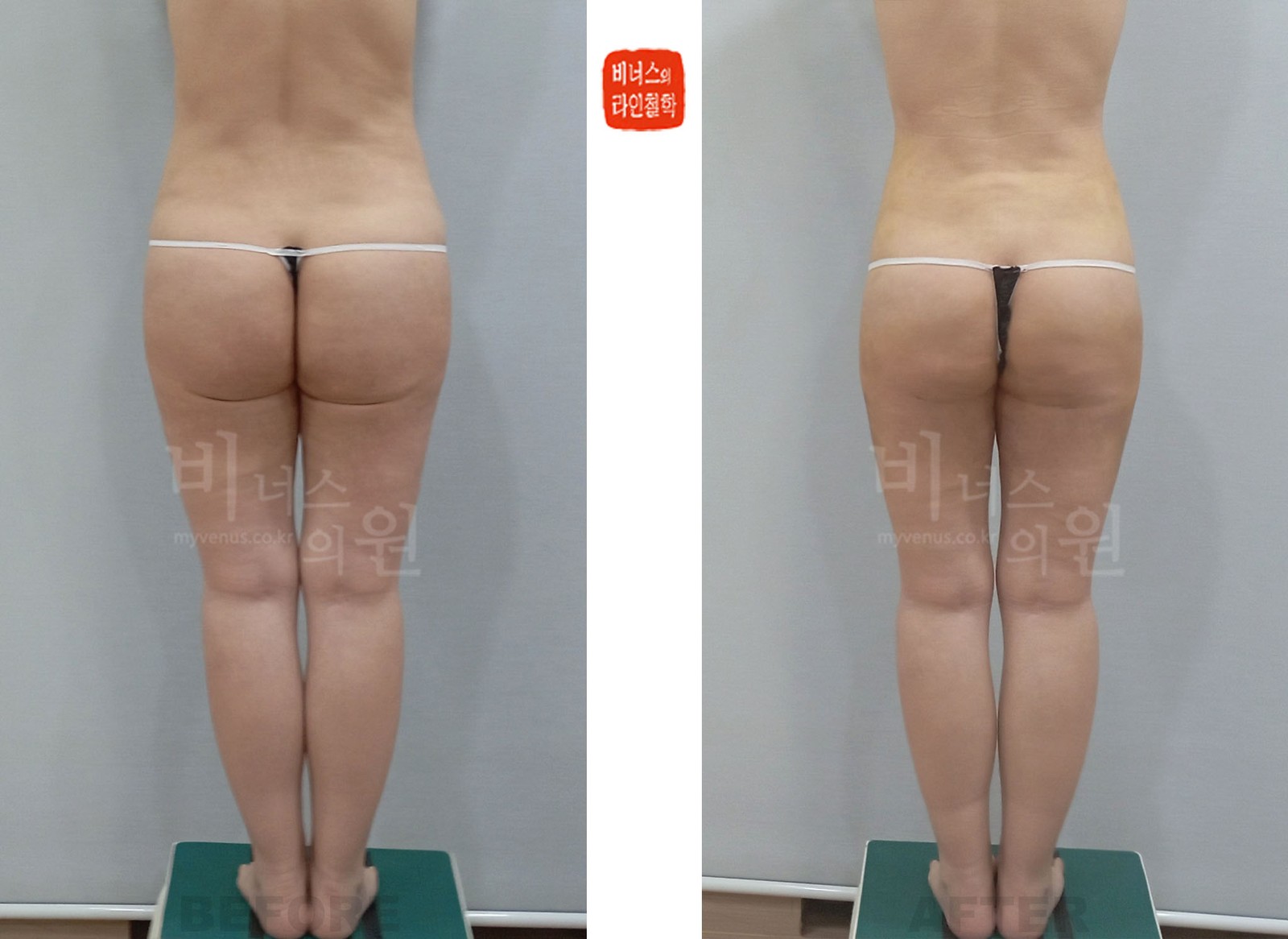
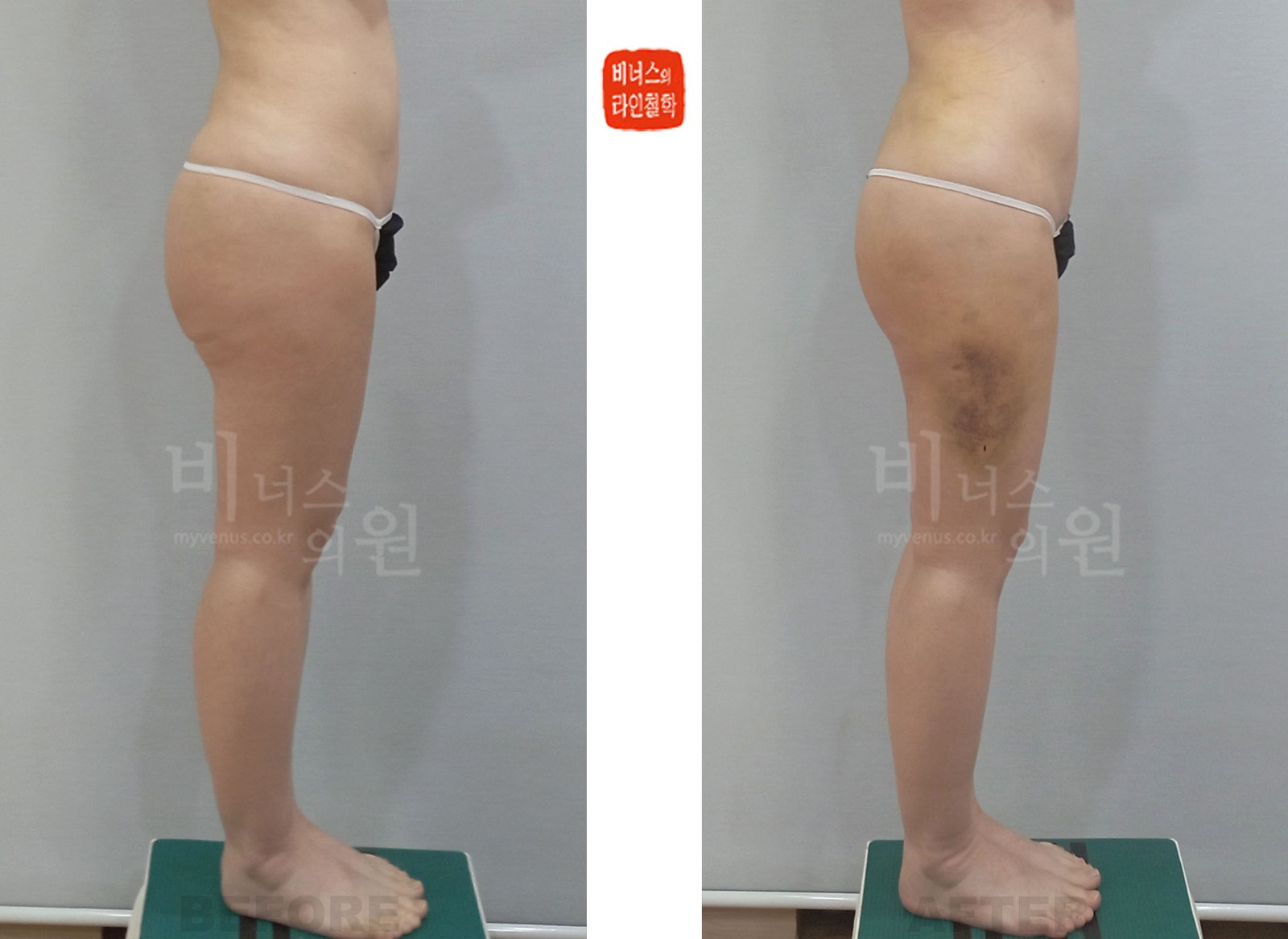
This patient had liposuction at another medical institution and then had revision at Venus Clinic, including volume-up buttock liposuction, saddlebags, and the front and outer upper thighs, along with fat grafting into depressed areas. In the back view, the volume at the lower and outer buttocks was reduced, and the line from the buttocks to the thighs became more defined. The bruising visible on the thigh in the post-operative side view is part of the recovery process and is not the final result.
| Information on the Posted Liposuction Before-and-After Photos | |||
|---|---|---|---|
| - Same person | Surgery performed at Venus Clinic; same person | - Date taken | Surgery on May 3, 2025 (revision case at Venus Clinic) |
| - Same conditions | Edited to the same posture and size as closely as possible | - Side effects | https://en.myvenus.co.kr/should_know/38861 |
In Closing
Liposuction revision is difficult because the fibrosis and adhesions left by the first surgery make the tissue hard to work with, and within that tissue, areas with leftover fat and over-removed areas must be corrected together. Over-removed areas cannot be fixed by removing more; the surroundings must be contoured and the depression filled with fat grafting. There are also things revision cannot change, such as scars attached to the fascia or natural asymmetry of the skeleton. That is why, at Venus Clinic, the more a case involves revision, the more time we spend on examination and planning, and our principle is to even out the thickness of the remaining fat layer across the whole line.
References: Liposuction Revision by Type Step Borders and Lines After Liposuction Volume-Up Liposuction Revision
Dr. Hakjun Kim, Director, Venus Clinic