Tumescent Liposuction and Sedation Anesthesia
When we consult with patients about liposuction, the questions we hear most often are "Will it hurt during the surgery?" and "Will I be asleep?" Many people say they worry more about the time spent in surgery than about the surgery itself.
In this article, I will explain how tumescent local anesthesia prevents pain during liposuction, what improves when sedation anesthesia (sedation) is added to it, and why sedation must be managed carefully.
Tumescent Liposuction — Numbing the Fat Layer with Fluid
Tumescent liposuction is a method in which a dilute solution containing a local anesthetic and a vasoconstrictor is infused generously into the fat layer, making the fat layer firm and swollen before suction. As the solution spreads through the entire fat layer, it numbs the nerves in that area and narrows the blood vessels to reduce bleeding [1]. So in tumescent liposuction, it is the solution that takes on the job of preventing pain.
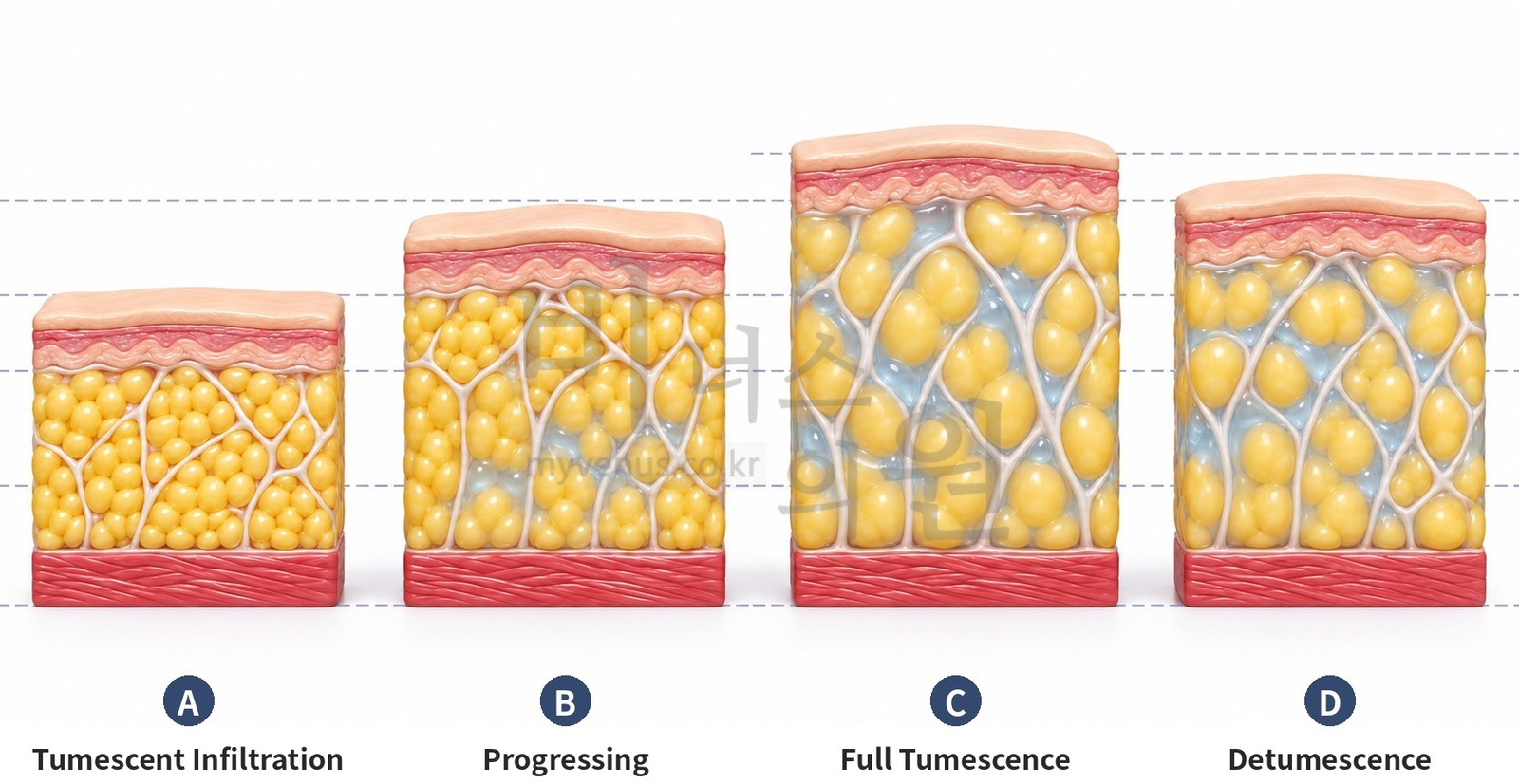
When tumescent solution (blue) is infused, the fat layer swells. A. Start of infiltration → B. Progressing → C. Full Tumescence → D. Detumescence.
A. Tumescent Infiltration — Infusion of the solution begins at the deepest part of the fat layer. B. Progressing — As the solution spreads between fat cells, the shallower layers are filled with less discomfort on top of the deep layers that have already been numbed. C. Full Tumescence — The entire fat layer is filled with solution and is firmly swollen, so the anesthetic and vasoconstrictive effects reach the whole fat layer. D. Detumescence — The stage in which the solution spreads into the surrounding tissue and the swollen fat layer partly settles [1].
When Sedation Is Added
Liposuction can be performed with tumescent solution alone. However, the stinging while the solution is being infused, the sounds of the operating room, and the burden of lying in the same position for an hour or two still remain. That is why many people prefer to undergo surgery while asleep [6].
The Patient Is Comfortable, and the Surgeon Can Focus on the Surgery
Textbooks summarize the purposes of the sedative drugs added to local anesthesia as reducing anxiety (anxiolysis), lowering the level of consciousness (sedation), easing unexpected pain (analgesia), and in some cases preventing memories of the surgery (amnesia) [2]. A study presented at an academic conference by Dr. Jung (Venus Clinic's representative director) also concluded that adding sedation to tumescent liposuction reduces patient anxiety and lets the surgeon focus on the desired result without the burden of calming an uncomfortable patient, raising satisfaction for both patient and surgeon [4].
That presentation begins with the words of Klein, the originator of tumescent liposuction: the excellence of liposuction is ultimately judged by patient satisfaction, and that satisfaction depends on safety, comfort, and the quality of the result [4]. Sedation adds "comfort" among these, but it must be accompanied by management that protects "safety."
The Depth of Sedation
Medically, sedation anesthesia is called sedation, and it means lowering the level of consciousness with medication. Its depth is not a single point but a continuum, divided into conscious (moderate) sedation, in which the patient responds to voice or light stimulation; deep sedation, in which the patient responds to painful stimulation; and general anesthesia, in which the patient does not respond even to pain [2][6].
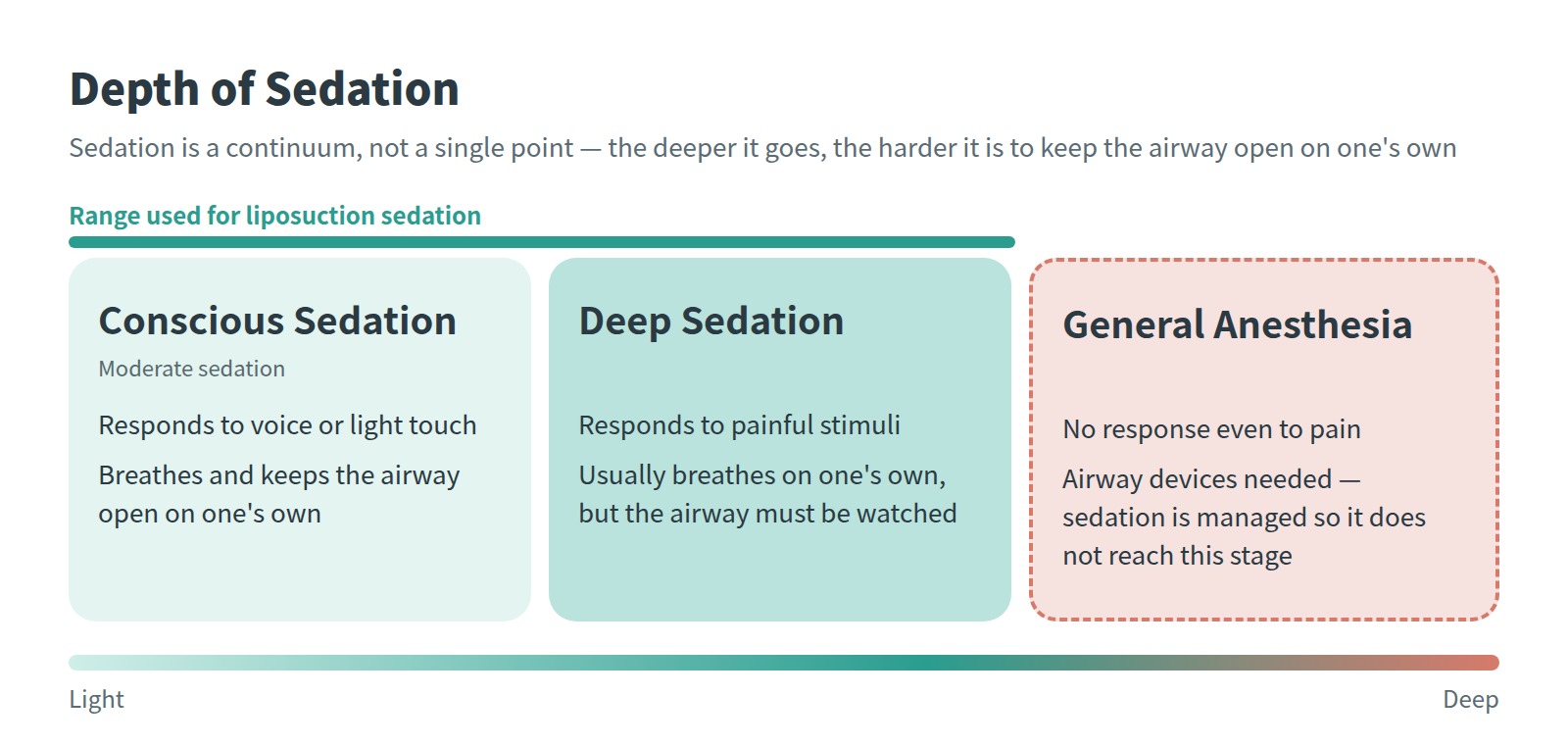
This distinction matters because of the airway. Under conscious sedation, the "protective reflexes" — keeping the airway open, swallowing, coughing, and breathing on one's own — are maintained by the patient [2]. Liposuction is mostly performed between conscious sedation and deep sedation, and within this range most patients breathe well on their own. However, if sedation deepens to the level of general anesthesia, it becomes difficult for patients to protect their own airway, and a device to secure the airway becomes necessary [6]. Because the level of consciousness rises and falls during sedation, it must be watched continuously so that it does not cross into that stage [6].
Sedation Must Be Managed Carefully
As much as sedation brings comfort, it is above all important not to lose track of the patient's condition during surgery. There are three main things to watch, and these are not checked once and then forgotten — they must be monitored continuously, from the moment the patient begins to fall asleep until they are fully awake.
① Airway — Is the Airway Open?
All sedative drugs used for sedation can weaken the drive to breathe (see "Drugs Used for Sedation" below). So watching the breathing pattern frequently is the basic rule, and lecture materials emphasize directly looking at and touching the patient to check, to the point of describing "the hand as the most accurate monitor" [5].
② Depth of Sedation — Is It Too Deep?
When sedative drugs are added to local anesthesia, assessing the patient's level of consciousness must itself be part of monitoring [2]. Each drug is adjusted little by little according to the patient's condition and the extent of the surgery, and this is possible only on the premise that the patient is monitored closely [2]. After a drug is given, we wait and check the response until the desired level of sedation is reached [5].
Drugs Used for Sedation — Propofol, Midazolam, Ketamine
Dr. Jung's research manuscript explains that tumescent local anesthesia alone often cannot provide complete anesthesia, so the patient's anxiety and pain may make it difficult to remove as much fat as needed. For this reason, it notes that intravenous sedation using propofol, midazolam, and ketamine, alone or in combination, is increasingly used for liposuction performed in clinics [4]. All three are sedative drugs that lower the level of consciousness so the patient can sleep comfortably, but their properties and precautions differ somewhat.
| Drug | Characteristics | Precautions |
|---|---|---|
| Propofol | Patients fall asleep quickly, and because it is broken down quickly in the body, there is little grogginess after waking and recovery is fast. It also has properties that reduce nausea [2][5]. | If given quickly, it can lower blood pressure and suppress breathing, and breathing may even stop briefly. It causes pain at the injection site, and on its own it does not erase memory [2][5]. |
| Midazolam | A benzodiazepine sedative that reduces anxiety, induces sleep, and prevents memories of the surgery from forming. It takes effect quickly [5]. | It can cause low blood pressure and suppressed breathing. A drug that reverses its effect (flumazenil) is available [5]. |
| Ketamine | It has both sedative and pain-relieving effects and does not depress the heart and blood vessels in healthy people. The gag and cough reflexes are relatively well preserved [2][5]. | Even so, vomiting or aspiration of stomach contents can occur, and reactions such as nightmares or hallucinations can occur on waking; these are reduced when midazolam is used together [2][5]. |
Because propofol does not erase memory, a small amount of midazolam is sometimes used with it [2], and the dream and hallucination reactions of ketamine are also reduced when midazolam is used together [2]. In this way, several drugs are adjusted little by little according to the patient's condition and the extent of the surgery, and using a fixed combination as-is is not recommended [2]. No matter which drug is used or who gives it, the level of monitoring must be equally thorough [2].
③ Oxygen Saturation — Is There Enough Oxygen in the Body?
A pulse oximeter clipped onto the finger continuously shows the pulse and the amount of oxygen in the blood [5]. A drop in oxygen saturation is a sign that the airway has narrowed or breathing has weakened, so we check right away. Textbooks explain that oxygen should be supplied during recovery after surgery as well, and the patient should be observed until oxygen saturation stays at 90% or higher on room air [2].
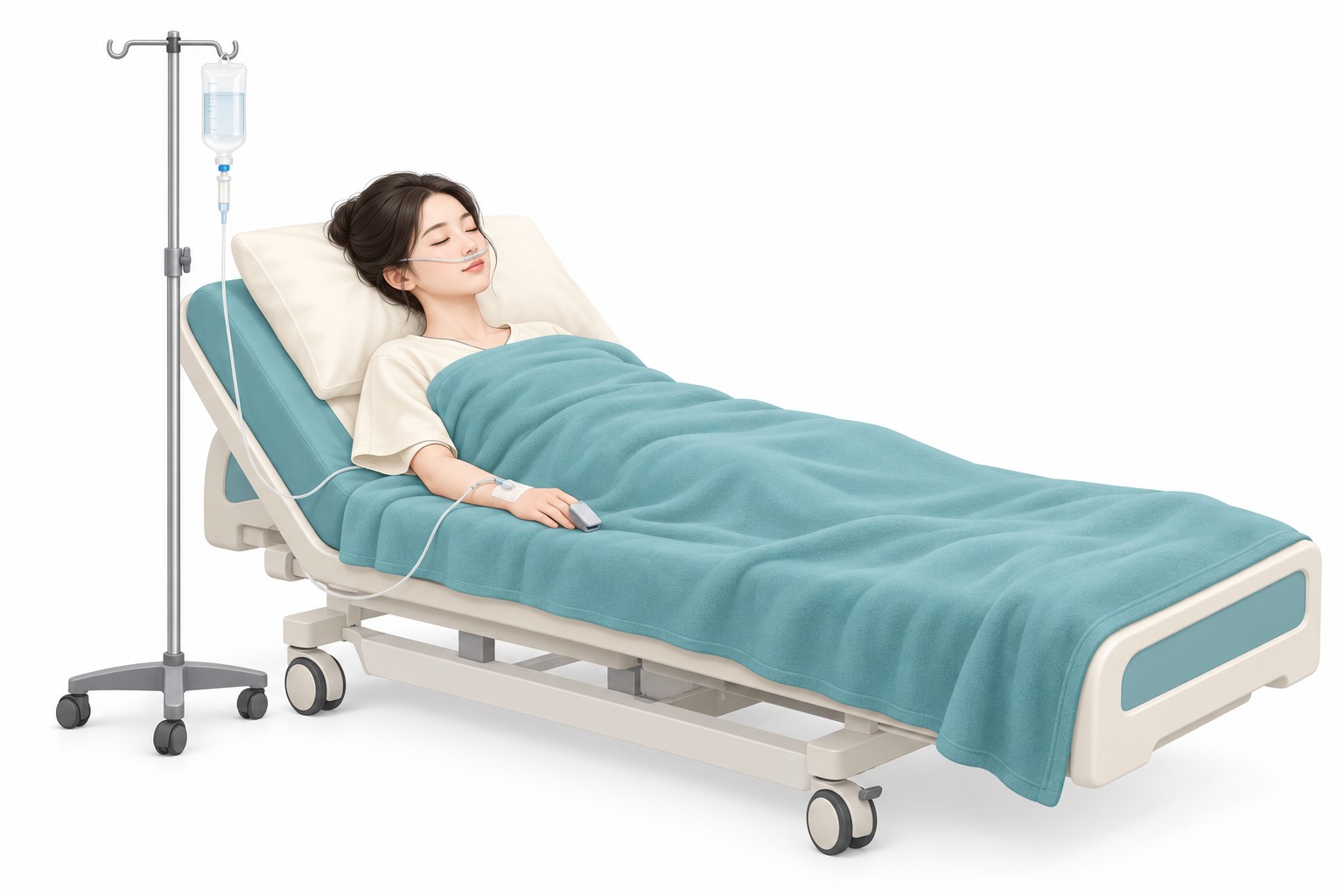
We also supply oxygen. At Venus Clinic, we supply oxygen through an oxygen mask throughout sedation, even at the conscious sedation stage. Supplementing oxygen helps maintain oxygen saturation even when the surgery runs long, which in turn helps the surgery proceed steadily. Lecture materials also state that oxygen supply equipment should be in place before sedation begins, and that if breathing weakens, the airway should be checked and oxygen supplied [5].
Continuous Monitoring — Vital Signs and Level of Consciousness Until the End
The most important principle of sedation is continuous monitoring. During sedation, the level of consciousness rises and falls [6], and sedative drugs can affect blood pressure and breathing, so a check at any single moment is not enough. Textbooks explain that when sedative drugs are added to local anesthesia, monitoring must include assessment of the vital signs — blood pressure, pulse, and oxygen saturation — together with the level of consciousness [2], and that if there is no separate anesthesiologist, there must be separate designated personnel responsible for this monitoring [2]. Because liposuction can easily take more than two hours, they warn that performing intravenous sedation without someone dedicated to watching the patient and without being ready to support heart and lung function immediately is imprudent [3].
| What | How it is monitored |
|---|---|
| Vital signs | Blood pressure, pulse, and oxygen saturation are measured continuously with equipment, and the breathing pattern is checked frequently by eye and by hand. Textbooks recommend recording blood pressure and pulse every 5 minutes, and oxygen saturation, ECG, and body temperature every 15 minutes [2][5]. |
| Level of consciousness | We continuously assess whether the patient responds to their name or light stimulation, and whether sedation has become so deep that the patient has crossed into a stage of not responding even to pain [2][6]. |
| Until when | It continues from the moment baseline values are measured before the drugs are given until recovery after the surgery. Because the risk of airway obstruction remains during recovery, the patient is not left alone and oxygen saturation is measured continuously [2][5]. |
If Breathing Weakens — What We Prepare in Advance
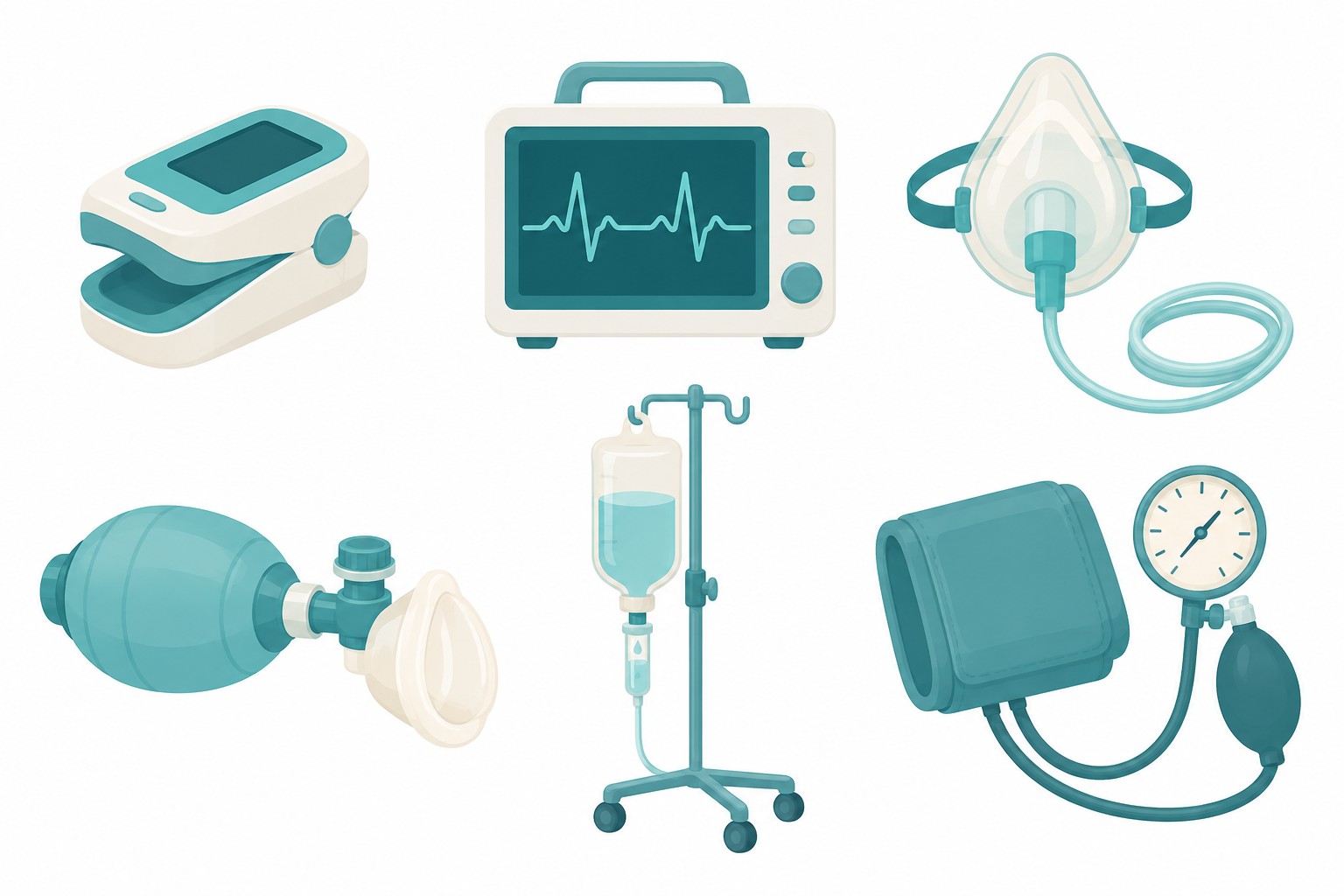
Before starting sedation, we prepare baseline values for blood pressure, pulse, and oxygen saturation, an IV line, oxygen supply equipment, and an emergency kit [5]. If breathing weakens, we check that the airway is open, stop the drugs, supply oxygen, assist breathing with an Ambu bag if needed, and use drugs that reverse the effect of the sedatives. If that is still not enough, a device to secure the airway is used [5]. Textbooks recommend that the operating surgeon hold advanced cardiac life support certification, and that the medical staff in the operating and recovery rooms hold basic life support certification [2].
Operating Time Is Also Part of Safety
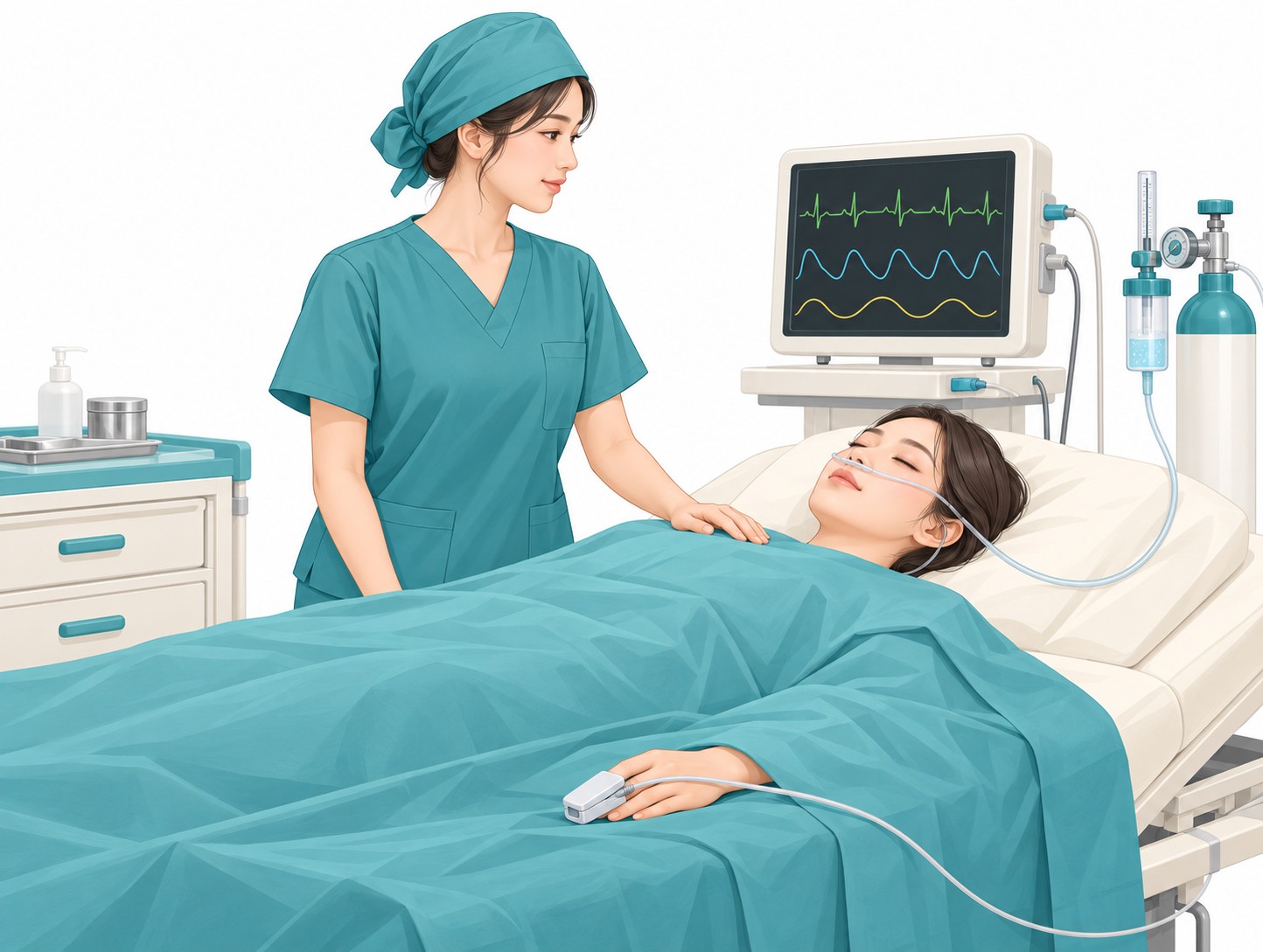
Liposuction can easily take more than two hours, and textbooks warn that the longer the surgery, the more dangerous loosely managed sedation becomes for the patient [3]. Dr. Jung's presentation also cited reports that serious complications such as blood clots may increase when operating time exceeds 2 hours or blood loss exceeds 500 mL, emphasizing the importance of reducing operating time; and in an analysis of 49 patients who underwent tumescent liposuction under sedation, blood loss was related to operating time rather than age, body weight, or the amount aspirated [4]. Managing sedation carefully and finishing the surgery accurately within the planned time are not separate matters. However, when a wide area such as the entire thigh and the buttocks is operated on together, the surgery may exceed 2 hours, and the more it does, the more important sedation management becomes — continuously watching vital signs and the level of consciousness throughout the surgery. The before-and-after photos below show such a case.
Tumescent Liposuction and Sedation at Venus Clinic
For 20 years, Venus Clinic has performed tumescent liposuction together with sedation and has managed it steadily. Letting the tumescent solution prevent pain, using sedation only as much as it adds comfort, and continuously watching the airway, the depth of sedation, and oxygen saturation during surgery are the principles we have kept.
Sedation Also Has Limits and Risks
All anesthesia and surgery carry risks, and sedation is no exception. Precautions differ depending on your health, the medications you take, and previous experiences with anesthesia, so please be sure to tell us about them at your pre-surgery consultation. In particular, older patients and those with medical conditions such as heart, lung, or liver disease need to be even more careful when choosing sedation. Textbooks also explain that the dose of sedative drugs varies with age and health [2], and that for long or complex surgeries or for high-risk patients, it is desirable to have medical staff dedicated to anesthesia [2]. Also, sedation is not mandatory but optional, so if you would like to have surgery with tumescent local anesthesia alone, you may do so [6].
References
- Klein JA. Tumescent Technique: Tumescent Anesthesia & Microcannular Liposuction. Mosby; 2000. Chapter 26 (Tumescent Infiltration Technique), Fig. 26-1.
- Bennett GD. Anesthesia for Liposuction. In: Shiffman MA, Di Giuseppe A, eds. Liposuction: Principles and Practice. Berlin: Springer; 2006. Chapter 8.
- de Jong RH. Medical Liability Claims for Liposuction – Improving the Odds. In: Shiffman MA, Di Giuseppe A, eds. Liposuction: Principles and Practice. Berlin: Springer; 2006. Chapter 58.
- Jeong WH. Analysis of blood loss during the tumescent liposuction without lag time under the intravenous sedation. Australasian College of Cosmetic Surgery (ACCS) Conference; 2011 Mar.
- Dr. Park. Liposuction anesthesia. Lecture material, Slim Korea Liposuction Network.
- Dr. Jung. Liposuction Surgery and Sedation Anesthesia. Venus Clinic Doctor's Column (in Korean). https://myvenus.co.kr/column/47732
Before-and-After Photos
The patient below had thigh and buttock surgery with tumescent liposuction under sedation at Venus Clinic, and we show front, left-side, and back photos of the same person in order. Because the surgical area was large, the operation took more than 2 hours, making it a case where sedation management was especially important. All after photos were taken at the follow-up visit 1 week after surgery. Swelling and bruising still remain at this stage, so this is not the final result.
Case 1
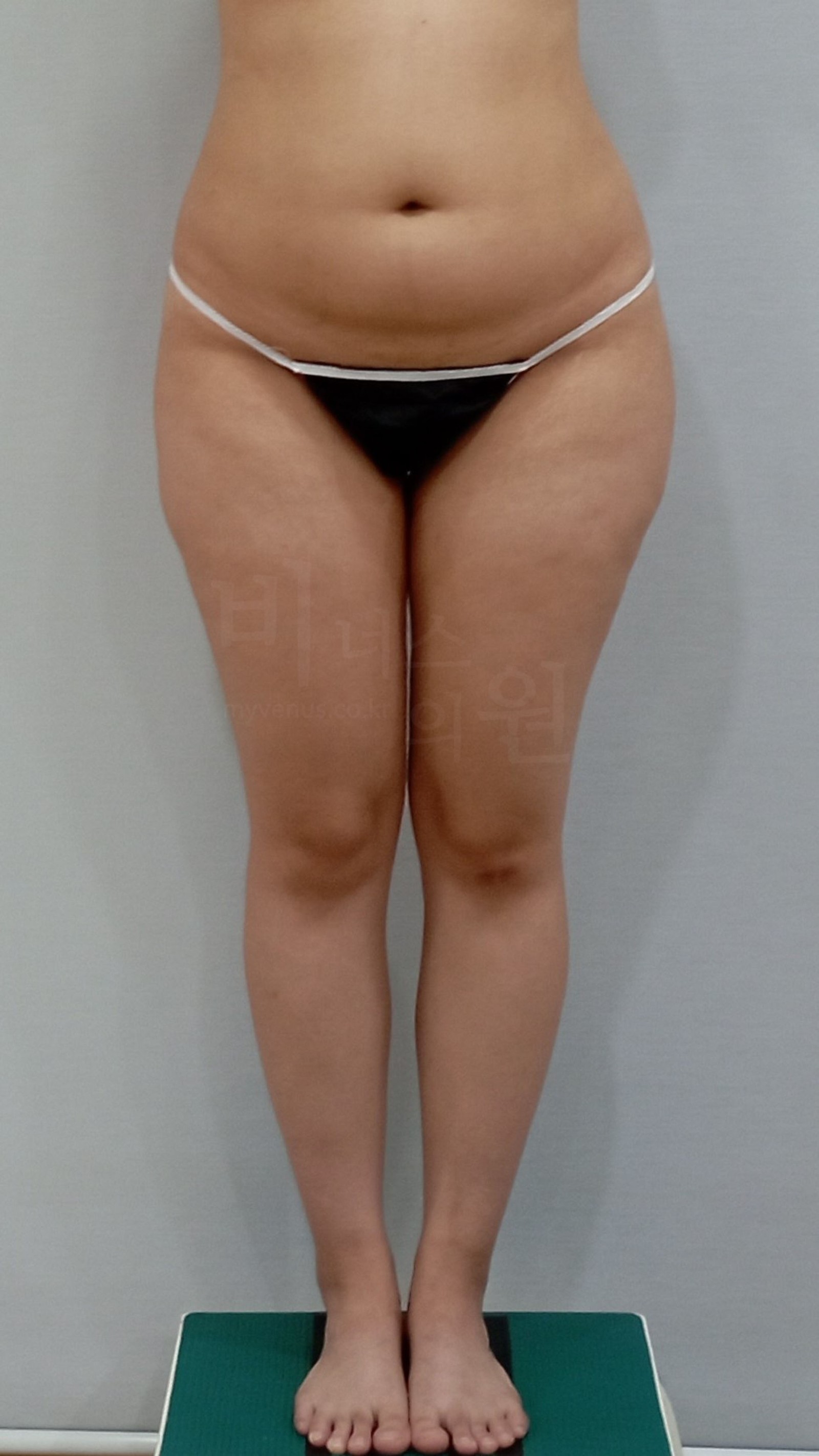
Before Surgery — Front
There is a lot of volume in the inner and outer thighs.
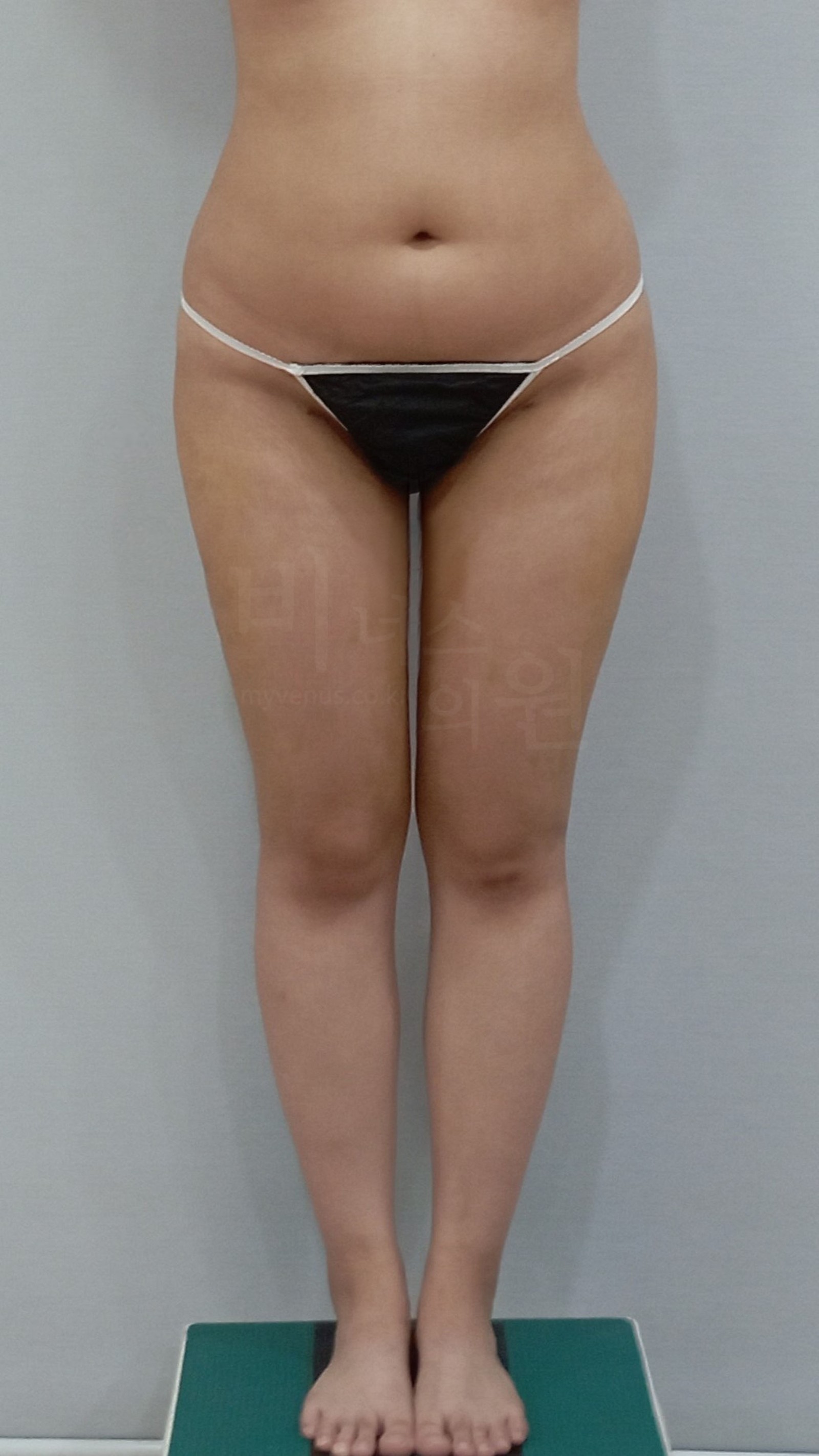
1 Week After Surgery — Front
The thigh circumference has decreased, widening the gap between the legs.
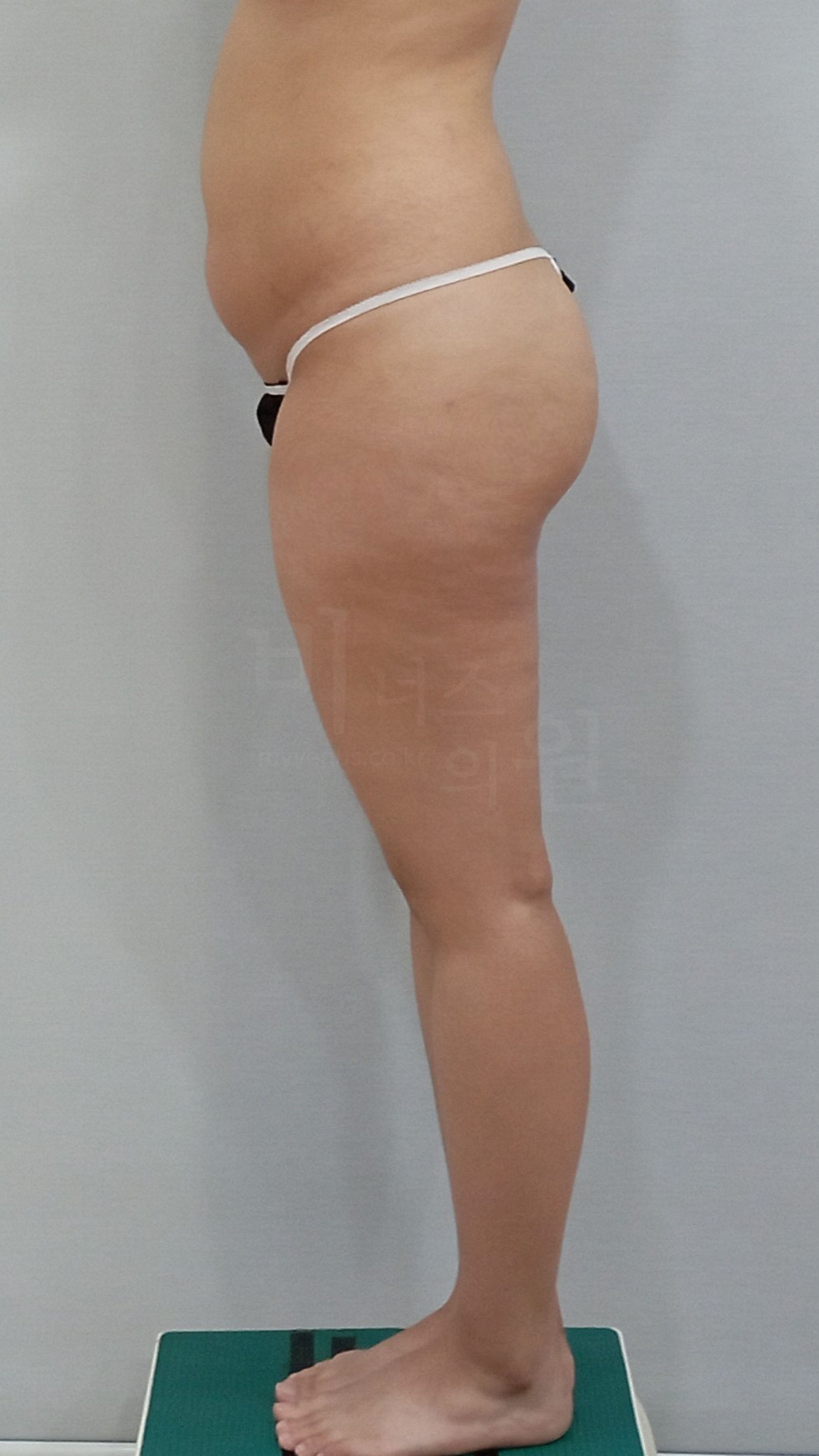
Before Surgery — Left Side
Seen from the side, the back of the thighs and the buttocks are thick.
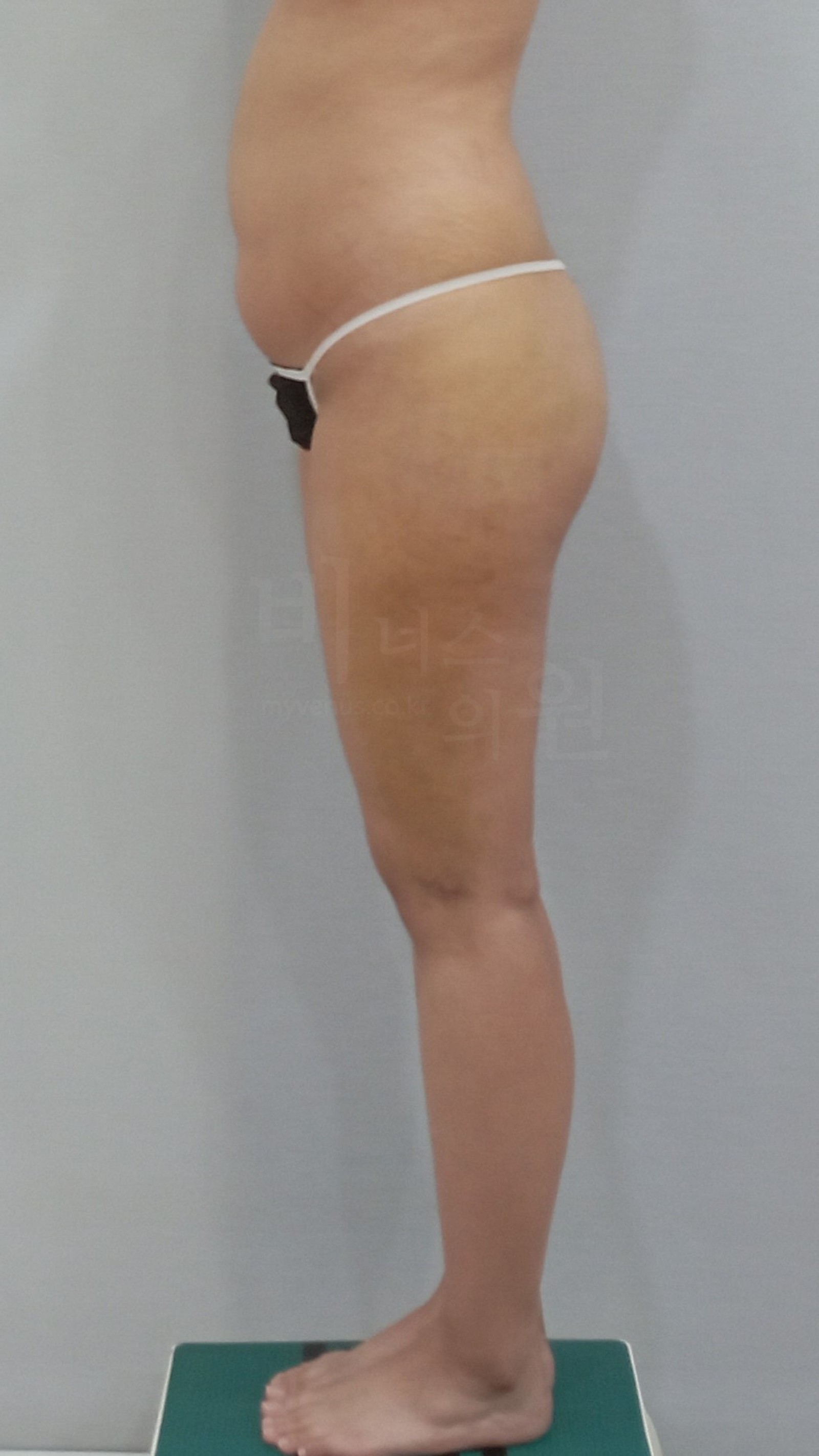
1 Week After Surgery — Left Side
The thickness of the back of the thighs and the buttocks has decreased. Some bruising still remains.
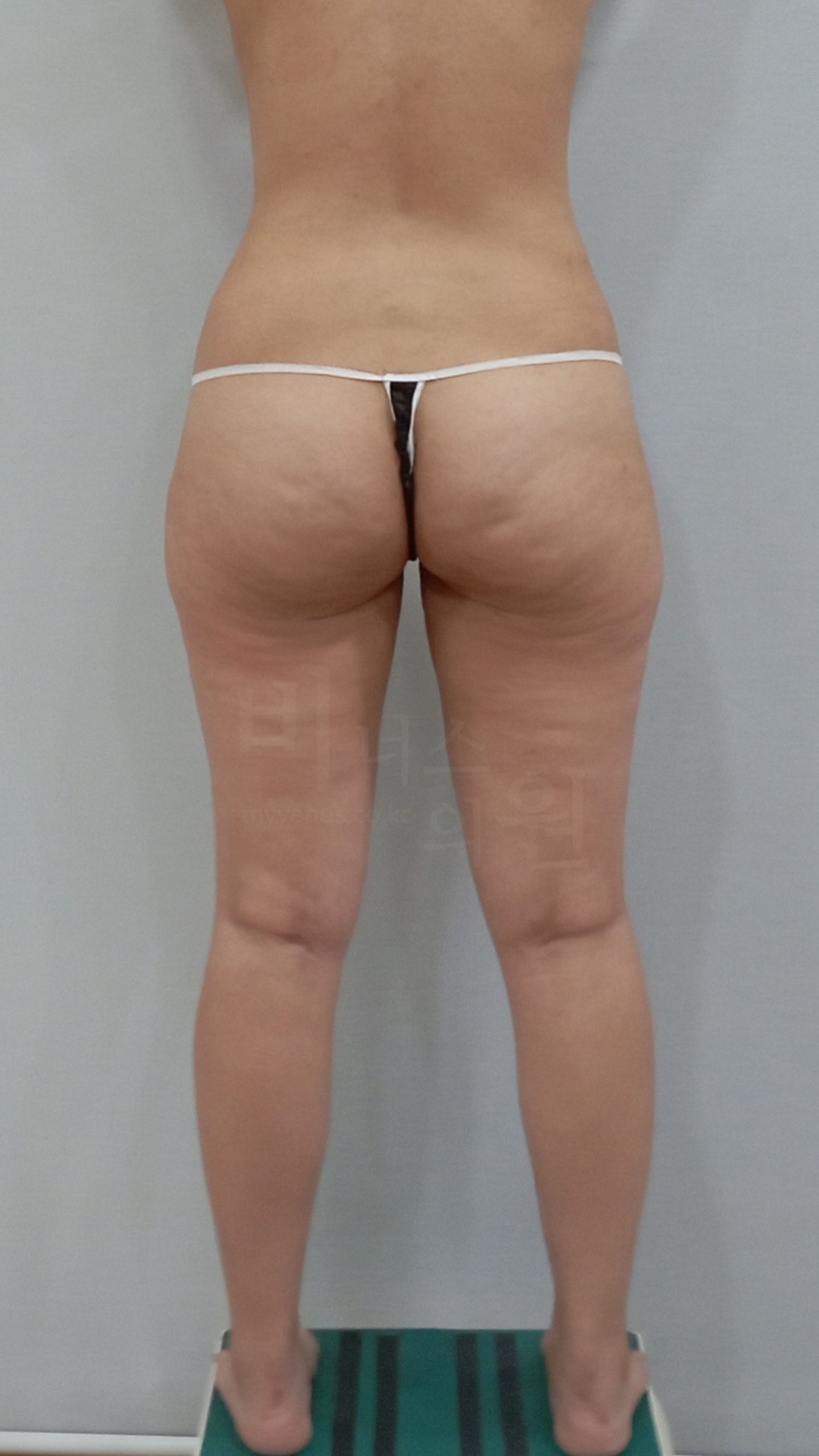
Before Surgery — Back
Seen from behind, the outer thighs appear to spread out to the sides.
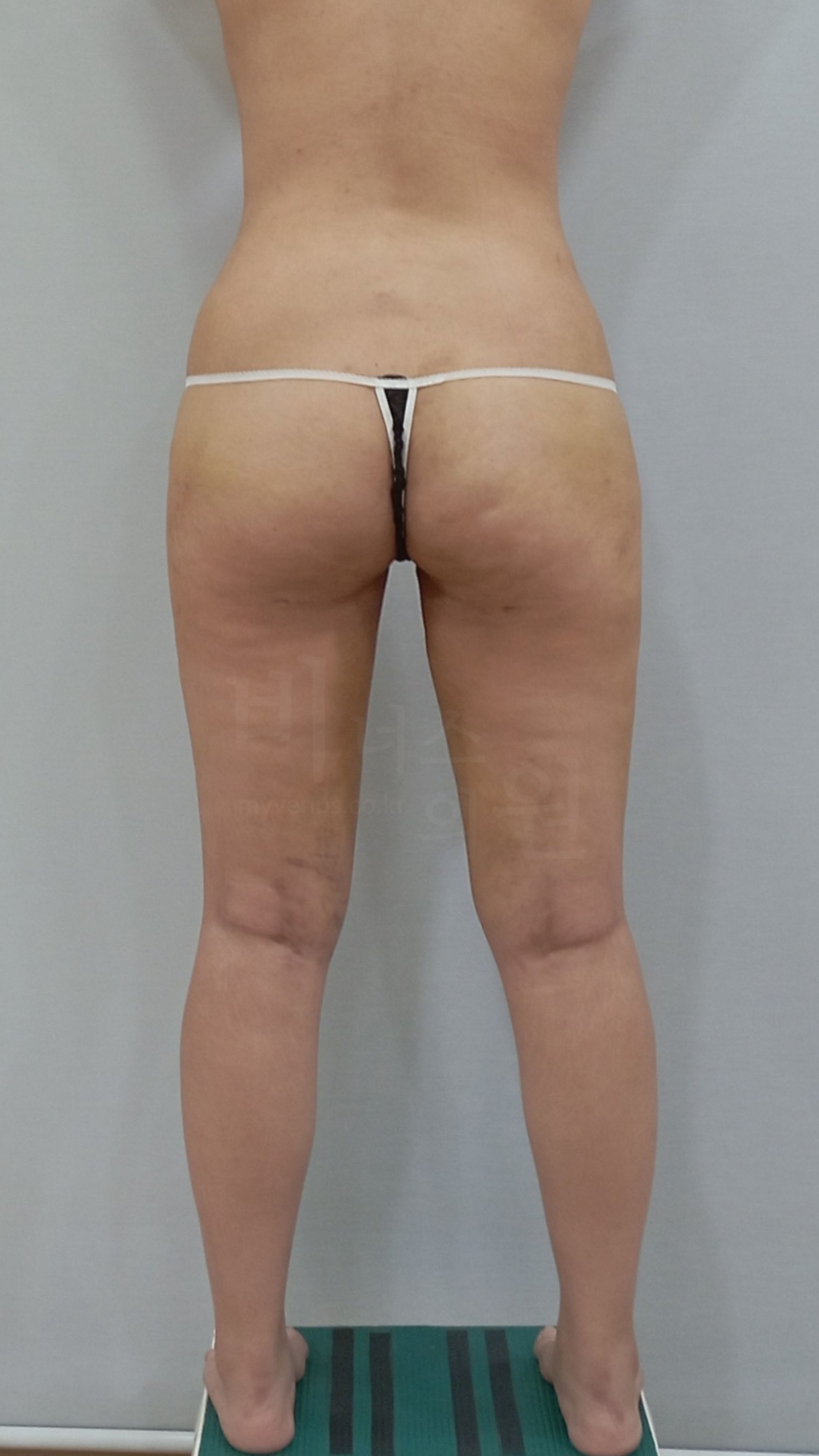
1 Week After Surgery — Back
The outer thigh line has moved inward, so the legs look slimmer.
This is a case in which the thighs and buttocks were operated on together. Tumescent liposuction under sedation was performed circumferentially around the entire thigh, together with the buttocks. The operating time was 156 minutes, exceeding 2 hours, and the amount of pure fat aspirated was 2,600cc. A surgery with such a wide area and large aspiration volume takes longer, so it is a case where sedation must be managed even more carefully, with continuous monitoring of vital signs and the level of consciousness from start to finish. In the photos taken at the follow-up visit 1 week after surgery, you can see a reduction in thigh circumference from the front, in the thickness of the back of the thighs and the buttocks from the side, and in the outer thigh line from the back. Bruising and swelling still remain at this stage, and the lines become more refined as the swelling subsides.
| Information on the Posted Liposuction Before-and-After Photos | |||
|---|---|---|---|
| - Same person | Surgery performed at Venus Clinic; same person | - Date taken | Taken around 2023; comparison at 1 week after surgery |
| - Same conditions | Edited to the same posture and size as closely as possible | - Side effects | https://en.myvenus.co.kr/should_know/38861 |
In Closing
In tumescent liposuction, the solution prevents pain, and sedation adds comfort on top of it. However, that comfort serves its purpose only when sedation is managed carefully, with continuous attention to the airway, the depth of sedation, and oxygen saturation. Venus Clinic will continue to keep these principles in managing sedation.
References: Liposuction Surgery and Sedation Anesthesia What Is Tumescent Liposuction? Sagging Breast Case Review
Dr. Hakjun Kim, Director, Venus Clinic