On Losing Weight Before Liposuction
A few days ago, a question about losing weight before liposuction was posted on the Venus Clinic consultation board. The writer seems to have been considering liposuction while undergoing obesity treatment.
I have a question about liposuction.
1. I heard that liposuction can only remove subcutaneous fat. Is that right?
2. If so, is it better to lose weight first by improving my lifestyle and then have liposuction, or to have liposuction first and then improve my lifestyle? (I am currently in a lifestyle improvement program focused on nutrition and exercise, and the instructor there said it is better to control my weight first through lifestyle changes and then have liposuction. The reason given was that if you have liposuction first, there is no subcutaneous fat left, so fat tends to accumulate as visceral fat. Is this true?)
3. Lastly, what programs are there for weight control after liposuction?
Fat tissue is a very important tissue: it protects the body by acting as a cushion against external impact, shapes an aesthetically attractive figure, prevents heat loss, serves as a storehouse for surplus energy, and also secretes various hormone-like substances that regulate metabolism.
Recently, however, fat tissue has been accumulating so excessively that it actually harms health, and as a result, fat tissue has come to be regarded as something of a nuisance by people today.
The fat in our bodies is broadly made up of visceral fat (about 21%), intramuscular fat (about 12%), and subcutaneous fat (about 67%). Subcutaneous fat can be further divided into superficial and deep fat tissue, and liposuction is the procedure that removes subcutaneous fat.
Among these, visceral fat is metabolically active fat. It is known to secrete substances such as free fatty acids (FFA), adiponectin, tumor necrosis factor (TNF-α), interleukin (IL-6), ghrelin, and leptin, which induce insulin resistance and thereby contribute to type 2 diabetes. Type 2 diabetes is reported to increase the risk of arteriosclerosis, the leading cause of death in humans, by 3 to 5 times.
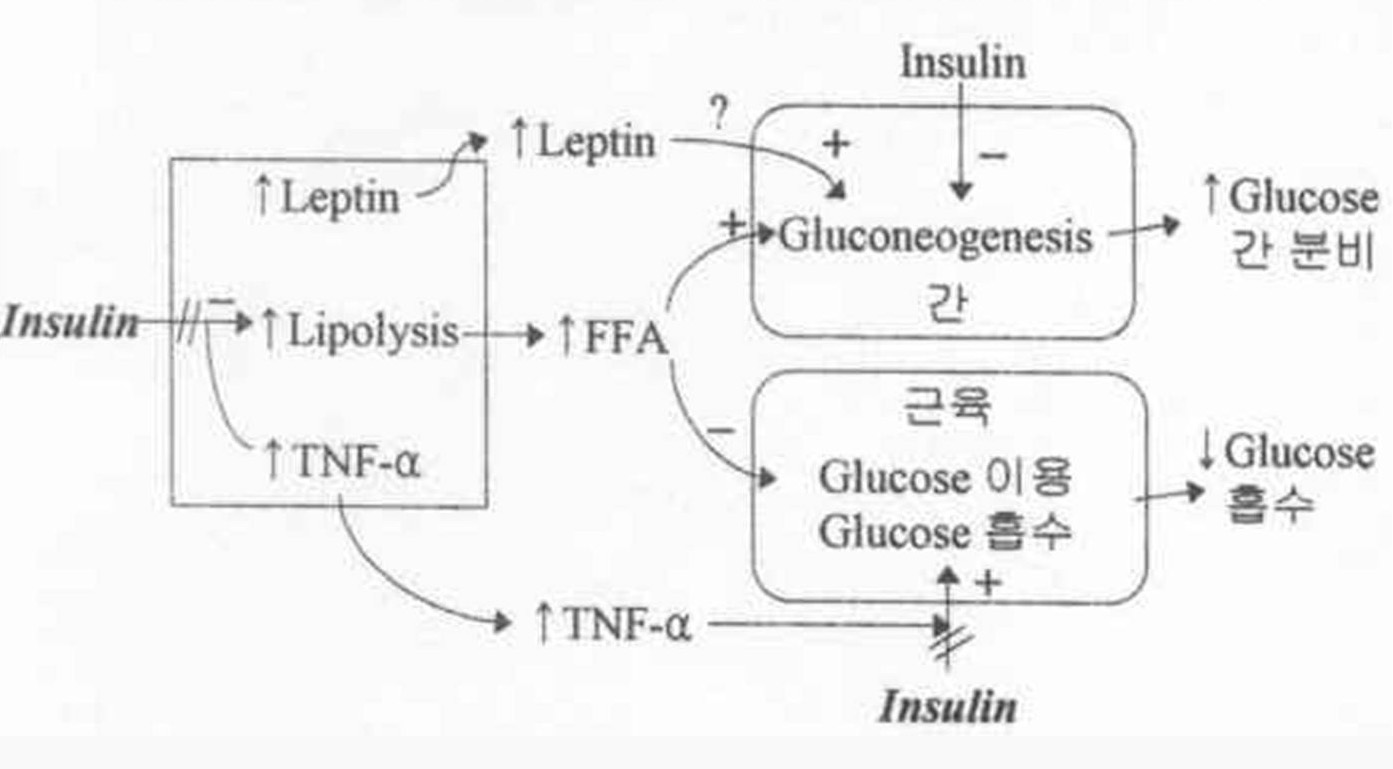
The deep layer of subcutaneous fat has also been reported to produce these metabolic substances and to induce glucose intolerance, thereby contributing to so-called "metabolic syndrome," including obesity, diabetes, high blood pressure, and dyslipidemia. Accordingly, there are many reports that removing excess fat tissue through liposuction, which removes this subcutaneous fat, is beneficial to health, with improvements in cholesterol levels and glucose tolerance after surgery.
However, some papers in internal medicine warn that removing subcutaneous fat relatively increases the proportion of visceral fat, a phenomenon called the "metabolic sink," which may actually harm health.
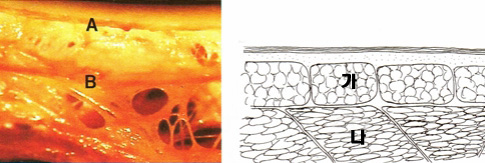
Recently, it has been reported that the deep fat tissue, which makes up about half of the subcutaneous fat layer, has properties similar to visceral fat. Since the amount of deep fat increases as the degree of obesity rises, I believe that removing subcutaneous fat through liposuction can bring about metabolic improvement.
In fact, many papers report reduced cholesterol and reduced insulin resistance after large-volume fat removal, and at Venus Clinic we also observe this in our outpatient clinic after large-volume liposuction.
As a surgeon who performs liposuction, I believe that if patients correct their diet and exercise habits after liposuction so that visceral fat is also reduced, both subcutaneous and visceral fat can be removed from the excess fat tissue in a balanced way, helping them achieve better overall health and an attractive figure at the same time.
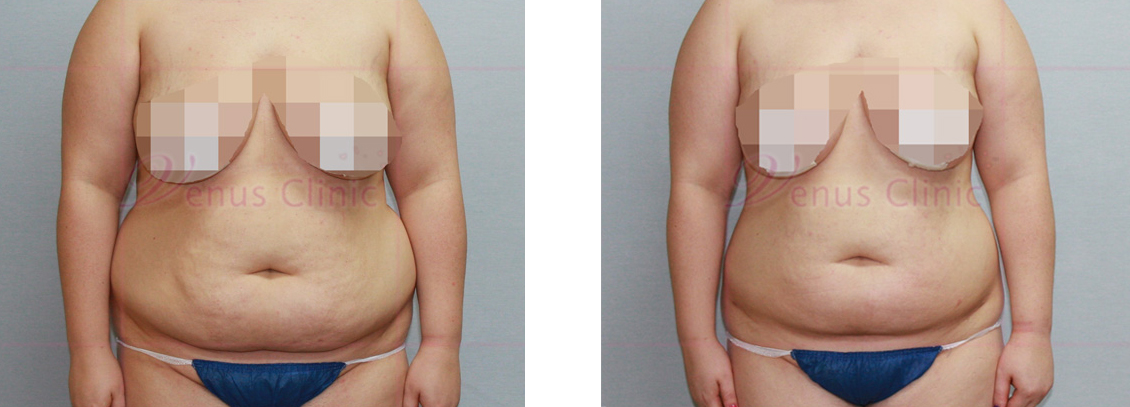
I do not understand the argument that liposuction should be avoided because, once subcutaneous fat is removed, surplus calories will accumulate only as visceral fat and harm health. That argument assumes from the start that patients will not correct their diet and exercise habits after surgery. (After liposuction, fat tissue is removed without lowering the basal metabolic rate and appetite tends to decrease, which can make dieting easier and more effective. In particular, as the body shape is refined, exercising becomes more comfortable, and patients naturally develop more attachment to and love for their own bodies, so they become even more active in dieting and exercise...)
Of course, in severely obese patients, if diet and lifestyle are not corrected after the removal of excessive subcutaneous fat, the possibility that their health may worsen cannot be ruled out. Clinically, however, losing weight is by no means easy for severely obese patients who have already developed glucose intolerance that has progressed to type 2 diabetes.
Therefore, rather than sitting and waiting for the deterioration of health that inevitably follows, I believe a better approach in such cases is to remove the excess fat tissue through liposuction, a relatively simple operation, and then guide the patient to correct their diet and lifestyle, giving them an opportunity to regain their health.
According to last year's health checkup results from the National Health Insurance Service, about one in three adults was found to be obese. Rep. Jeon Hyun-hee (Democratic Party), a member of the National Assembly's Health, Welfare and Family Affairs Committee, said on the 23rd that "according to data submitted by the National Health Insurance Service, 32.8% (3,240,694 people) of the 9,878,548 people who had health checkups last year were found to be obese."
In health checkup results, obesity refers to a body mass index (BMI, weight divided by the square of height) of 25 or higher.
According to Rep. Jeon, the proportion of checkup recipients judged obese was 25.5% in 2006 and 24.1% in 2007, reaching a record high last year. In particular, among those judged obese last year, the number of severely obese people (BMI 25 or higher but under 30) was 448,574, a sharp increase compared with 2006 (270,817) and 2007 (264,070). The number of extremely obese people (BMI 40 or higher), which was only 7,957 in 2006 and 7,020 in 2007, also rose sharply to 23,613 last year.
As the number of obese people has increased, obesity-related diseases such as diabetes, high blood pressure, and hyperlipidemia have also been on the rise. Rep. Jeon said, "According to data submitted by the Health Insurance Review and Assessment Service, the number of medical treatments for diseases caused by obesity last year was 19,908, an increase of more than 50% compared with 2004," adding, "In people in their 20s, it increased by as much as 75%, showing that health management among people in their 20s is a serious problem."
Rep. Jeon said, "Obesity has now emerged as a problem not of the individual but of society as a whole," and that "a nationwide, integrated obesity management program is needed to effectively prevent and manage obesity and obesity-related diseases."
Liposuction is not a procedure that removes subcutaneous fat completely; it can be seen as a procedure that leaves fat in an attractive way, to the extent of creating even, beautiful lines. Generally, it leaves about as much subcutaneous fat tissue as a person with a healthy and attractive figure would have.
In conclusion, when fat tissue accumulates excessively, it can harm our bodies almost like a cancer, so treating this excess fat tissue by removing it through liposuction seems, in a sense, only natural. It goes without saying that after surgery we explain the importance of correcting diet and exercise habits to reduce visceral fat, and help patients follow through.
On the other hand, we should also consider that even if visceral fat is reduced through diet and exercise programs, subcutaneous fat is not easily removed, and after weight loss, skin sagging and wrinkles may develop, leading to aesthetically poor results.
In people with abundant fat tissue and good skin elasticity, even if the skin sags right after liposuction, it gradually contracts, so good aesthetic results can be achieved without skin excision. However, in people who have little fat tissue left after weight loss but whose skin has lost elasticity and sags, the skin contracts less after liposuction, so sagging may remain after surgery.
Therefore, as a surgeon who performs liposuction, I would recommend removing subcutaneous fat first and then joining an exercise and diet program after surgery to address visceral obesity as well, as the better approach.
For more details, please refer to the links below.
References
Obesity and Large-Volume LiposuctionIs Liposuction Best Done When You Have Gained Weight?
[Dr. Jung, Director, Venus Clinic]