The Advantages of Faster Liposuction Surgery
It is said that a surgeon should have an eagle's eye, a lion's heart, and a lady's hand. This presumably means a surgeon must not miss even the slightest detail, must sometimes make bold and daring moves, and must have delicate, gentle hands.
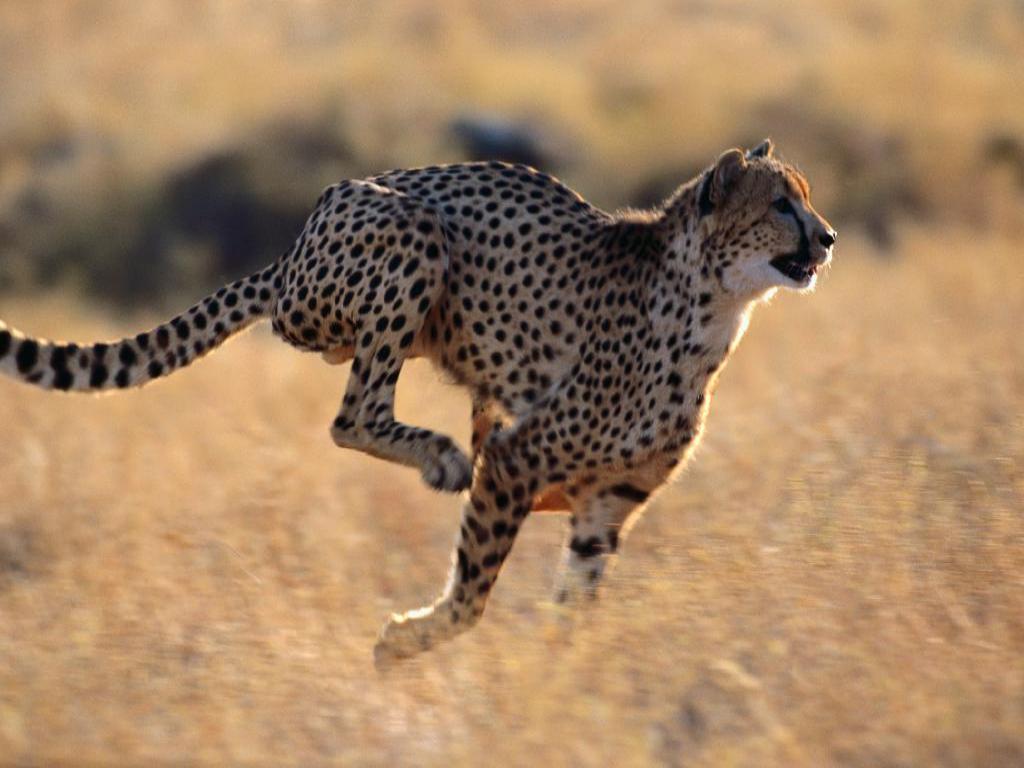
For liposuction surgeons, I would like to add a cheetah's legs: able to move smoothly and calmly, yet capable of bursts of great speed when needed... In fact, the cheetah, an animal famous for its speed, is said to reach a top speed of 113 km/h; at about 88 km/h it covers 21 m per second, and it can accelerate from a standstill to 88 km/h within 3 seconds.
Operating quickly may sound like finishing sloppily and doing a careless job, and so it might be taken for half-hearted surgery. But what I mean here by operating quickly is being faster on the condition that sufficient fat is removed and a smooth result is still achieved.
The reasons why liposuction should be performed quickly are as follows:
1. Faster surgery has the advantage of less swelling and quicker recovery.
When surgery takes longer than the normal operating time, the amount of tissue damage increases accordingly and so does blood loss, so there is relatively more swelling and recovery is correspondingly slower.
2. The risk of surgical complications decreases.
In particular, there are published reports that when operating time exceeds 3 hours, the incidence of post-operative complications increases fourfold.
3. It helps prevent the risk of deep vein thrombosis.
Deep vein thrombosis accounts for the largest share of deaths from liposuction, about 50%. When tissue is injured, the body works toward clotting, and the coagulation function is activated. The problem is that coagulation is also activated inside the veins, so blood clots form, and those clots can block blood vessels in the lungs, heart, or brain, leading to fatal accidents. This is the complication known as deep vein thrombosis.
Known causes of deep vein thrombosis include excessive tissue damage, prolonged surgery, hemodilution from excessive fluid administration due to bleeding, general anesthesia (which paralyzes vascular muscle tone), and hypothermia. Accordingly, faster surgery can lower the risk of deep vein thrombosis.
4. Faster surgery minimizes bleeding during liposuction.
Tumescent liposuction allows fat to be removed with minimal bleeding, and it is already recognized in the academic community as the standard (gold standard) as a safe surgical method. In tumescent liposuction, blood loss has been reported at only about 1-4% of the volume of pure fat removed, and it is known as a well-regarded technique that is safe and involves little bleeding. Recently, however, it has been reported that post-operative bleeding within the fat tissue also cannot be overlooked, and that factors predicting this bleeding include not only the volume of fat removed but also the operating time and the patient's body weight.
In other words, the heavier the patient, the better they tolerate bleeding, and the shorter the operating time, the smaller the blood loss. Because this matters more in large-volume liposuction than in small-volume liposuction, it means that the larger the volume of liposuction, the more the surgical speed should be increased.
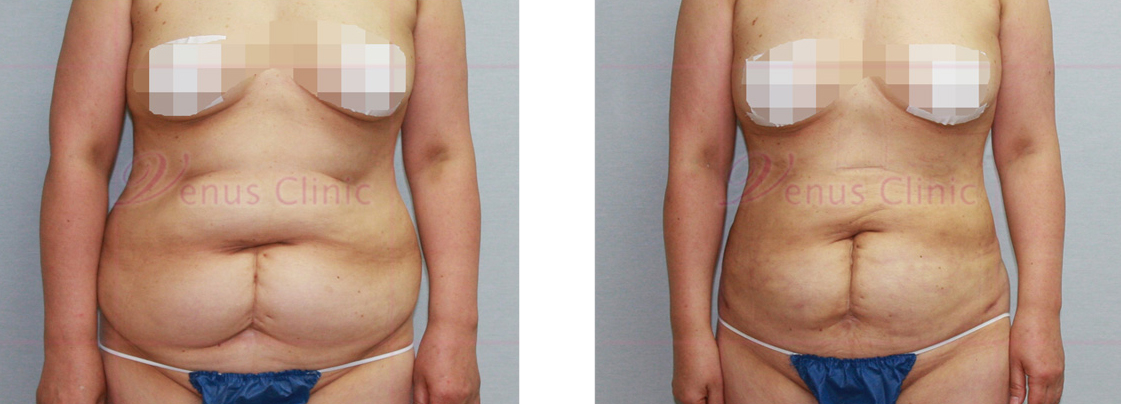
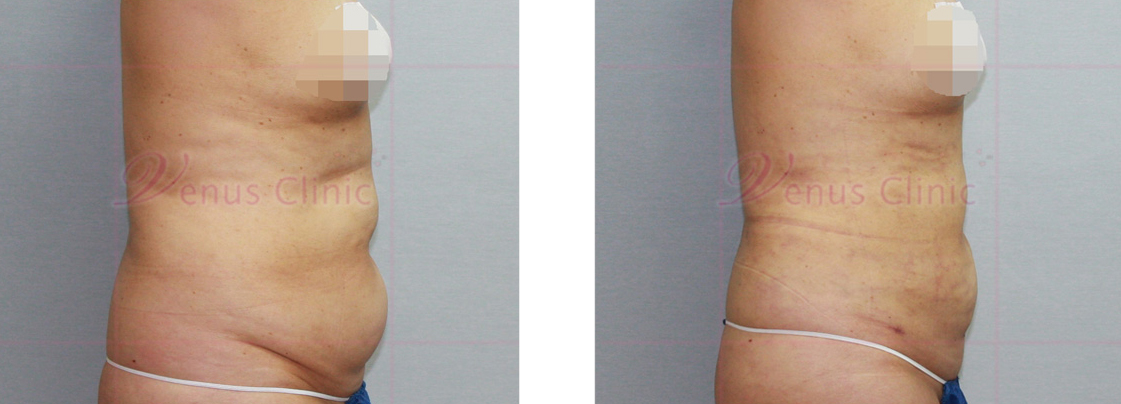
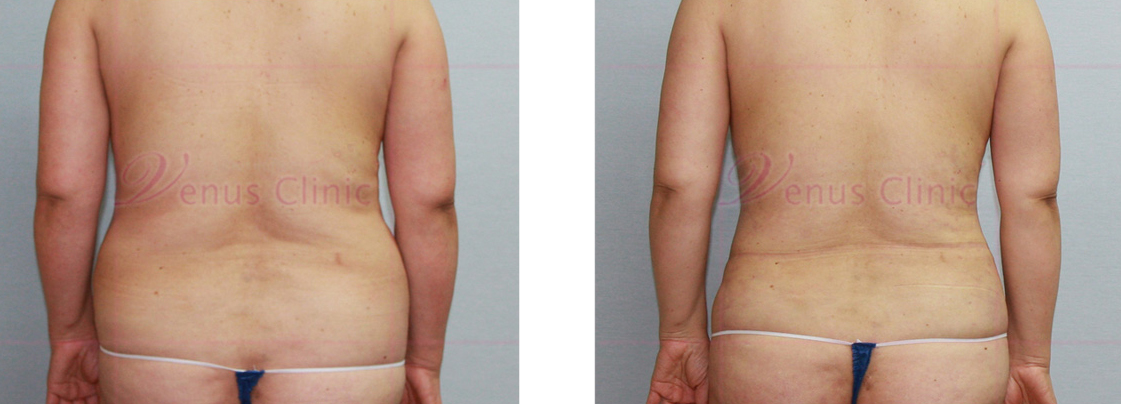
For these reasons, the speed of liposuction is important. At Venus Clinic, abdominal or arm liposuction is completed in about 1 hour 30 minutes and thigh liposuction within 2 hours, and for large-volume liposuction two doctors operate at the same time so that the entire procedure is completed within 2 hours.
To achieve this, various environmental conditions, instruments, and the doctor's physical stamina must all be in place. Faster surgery should be considered all the more when many areas are treated at once, such as the large-volume liposuction of 5,000 cc or more that Venus Clinic focuses on; thoraco-abdominal liposuction covering the abdomen, the area above the ribs, the bra-line fat, and the back; or the lower-body package that includes circumferential thighs, hips, buttocks, and knees.
References
A Liposuction Surgeon Must Sweat a Lot
[Dr. Jung, Director, Venus Clinic]