Do Lazy People Get Liposuction?
Obesity is a disease that threatens our lives.
There is a condition called metabolic syndrome (Metabolic syndrome X). It is a syndrome that shows test findings such as high blood pressure, hyperinsulinemia, insulin resistance, elevated free fatty acids, high LDL cholesterol, low HDL cholesterol, and microalbuminuria, and ultimately leads to various cardiovascular diseases such as non-insulin-dependent diabetes, hypertension, and atherosclerosis.
The risk factor for this metabolic syndrome is obesity, and there are reports that 68-72% of diabetes cases are caused by obesity. Therefore, solving obesity is a way to prevent atherosclerotic disease, the leading cause of death in humankind.
Methods for addressing severe obesity include diet therapy, exercise therapy, and so on. There are also surgical treatments such as removing part of the stomach or bariatric surgery that bands the stomach, and liposuction may also be worth considering among these surgical options.
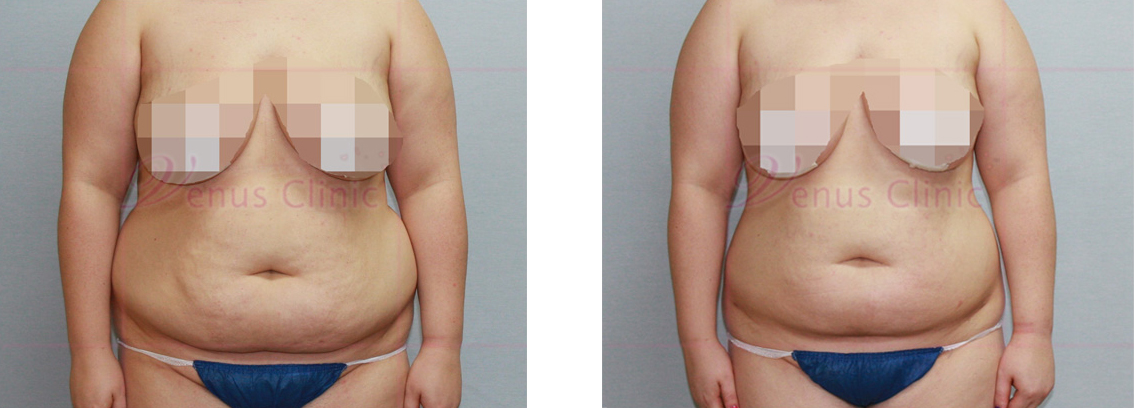
Today, liposuction to address localized fat has become one of the most commonly performed cosmetic surgeries, but this follows the concept of liposculpture, which focuses on correcting body shape rather than removing fat.
However, with recent advances in liposuction techniques, large-volume liposuction has become possible, and volume liposuction, aimed at removing fat rather than shaping the body, is being performed. There is also the term volume liposculpture, which adds cosmetic elements to fat removal.
In other words, volume liposculpture aims to remove a large volume of fat while achieving both health-promoting effects and cosmetic goals.
In fact, there are reports that liposuction can instead increase visceral fat and harm health, and there are also reports that it benefits health, with reduced glucose intolerance, lower insulin levels, and lower blood cholesterol after liposuction. So the effect of liposuction on health is currently controversial. In addition, a large-scale study is currently underway in the United States on the effect of liposuction on diabetes in large-volume liposuction patients with diabetes.
However, when we listen in our clinic to people who have actually undergone large-volume liposuction, we are sometimes surprised by how satisfied they are. What's more, a surprising number of them sign up for weight-loss programs, saying they want to diet. We think the reason is that after being discouraged by and giving up on their body shape, having a new figure gives them self-satisfaction and the will to try to maintain it.
We see people with severe obesity who find it genuinely hard just to move their bodies. Exercising is difficult, and succeeding at a diet is difficult. People who are not obese may think, "What's so hard? They're just lazy," but it is hard for them to understand the feelings of people who want to move but cannot. And even if, after tremendous effort, a diet succeeds, many people then worry about sagging skin, or become so exhausted after succeeding that they rebound (the yo-yo effect).
It is like dragging a heavy body up a mountain alone, reaching the summit, and then giving up from exhaustion.
For people who choose liposuction, the body's volume decreases, so energy expenditure decreases, and they may feel less hungry even when eating less, which can make dieting easier. Skin from which subcutaneous fat has been removed contracts, so it is less likely to sag the way it does when you lose weight by dieting.
And just as if they had taken an elevator to the top of the mountain, the fat has been removed easily through surgery, so they can gain a fresh resolve to diet, and with physical energy to spare they can participate actively in dieting and develop the perseverance to work on visceral obesity.
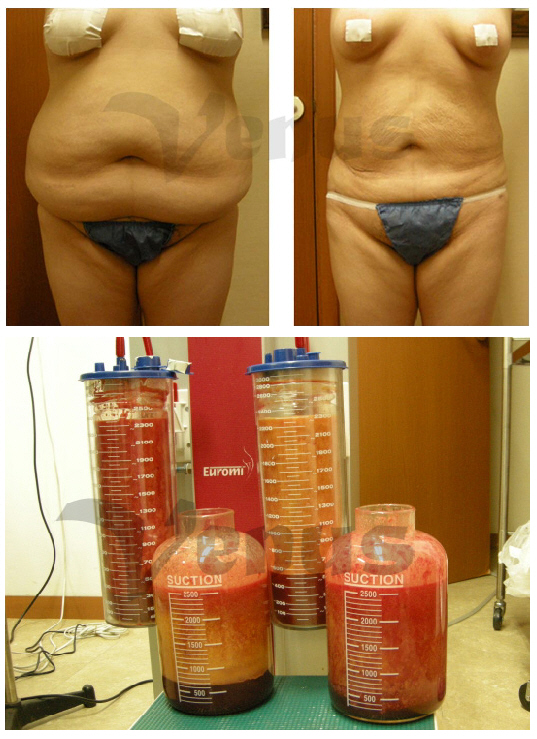
Of course, large-volume liposuction carries a higher risk of complications and requires more meticulous surgical technique and aftercare. But beyond the academic debate over whether liposuction will improve health, we believe large-volume liposuction can be an opportunity for the person who undergoes it to experience a different life.
In conclusion, in large-volume liposuction the doctor removes fat, but the outcome of the surgery lies less in the visible physical comfort or cosmetic improvement and more in what remains in the heart of the person who underwent it.
Why not look around you and consider offering people who struggle to lose weight the chance, through liposuction, to be able to diet and exercise? And for those of you who are struggling with obesity, why not give liposuction serious consideration?
[ Dr. Jung, Director, Venus Clinic ]