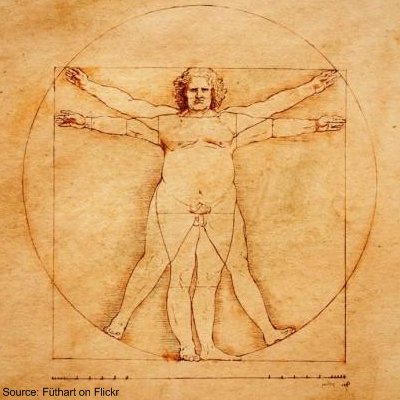
The body mass index (BMI) is an index that uses height and weight to estimate how much fat is in the body and thereby determine whether a person is obese. It is the most widely used indicator of obesity.
Diagnosing Obesity
The body mass index (BMI) is an index that uses height and weight to estimate how much fat is in the body and thereby determine whether a person is obese. It is the most widely used indicator of obesity. Measuring obesity with BMI does not require a body fat analyzer.
BMI = weight (kg) ÷ {height (m) × height (m)}
Body mass index (BMI): kg/m2
- Underweight ; < 18.5 : You are underweight.
- Normal : 18.5 ~ 22.9 : You are at a normal weight.
- Overweight: 23 ~ 24.9 : You are overweight, on the slightly plump side.
- Mild obesity : 25 ~ 29.9 : You are at an obese weight. Diet and exercise therapy are needed.
- Severe obesity: 30 ~ 34.9 : You have been diagnosed with severe obesity. You should manage it with obesity treatment and an exercise program.
- Morbid obesity : 35 ~ 39.9 : You are in a state of morbid obesity. Active treatment is required.
- Extreme obesity : > 40 : This is the highest degree of obesity, beyond morbid obesity. You should consult a medical specialist.
Recently, however, many argue that obesity should instead be assessed by body fat percentage, that is, "the proportion of body weight made up of fat," measured with a body fat analyzer. The analyzer sends a very small electric current through the body and measures body fat using electrical resistance, or impedance; because the method is simple, it is widely used at obesity clinics.
Body fat percentage (%) = body fat mass (kg) ÷ body weight (kg) × 100 "The standard is 15% for men and 23% for women"
Normal range in general
- Men: 15~18 (%)
- Women: 20~25 (%)
You can assess your degree of obesity by matching your measurement to the tables below.
Men
| Age | Very lean | Slightly lean | Optimal | Slightly obese | Obese | Very obese |
|---|---|---|---|---|---|---|
| 20-29 | ∼5.2 | 5.3∼9.4 | 9.5∼16.8 | 16.9∼20.7 | 20.8∼25.9 | 26.0∼ |
| 30-39 | ∼9.1 | 9.2∼13.9 | 14.0∼19.7 | 19.8∼23.2 | 23.3∼27.3 | 27.4∼ |
| 40-49 | ∼11.4 | 11.5∼16.3 | 16.4∼21.8 | 21.9∼25.0 | 25.1∼28.9 | 29.0∼ |
| 50-59 | ∼12.9 | 13.0∼17.9 | 18.0∼23.4 | 23.5∼26.6 | 26.7∼30.3 | 30.4∼ |
| 60- | ∼13.1 | 13.2∼18.4 | 18.5∼24.3 | 24.4∼27.6 | 27.7∼31.2 | 31.3∼ |
Women
| Age | Very lean | Slightly lean | Optimal | Slightly obese | Obese | Very obese |
|---|---|---|---|---|---|---|
| 20-29 | ∼10.8 | 10.9∼17.1 | 17.2∼22.7 | 22.8∼26.6 | 26.7∼32.1 | 32.2∼ |
| 30-39 | ∼13.4 | 13.5∼18.0 | 18.1∼24.0 | 24.1∼28.1 | 28.2∼32.8 | 32.9∼ |
| 40-49 | ∼16.1 | 16.2∼21.3 | 21.4∼27.3 | 27.4∼31.1 | 31.2∼35.0 | 35.1∼ |
| 50-59 | ∼18.8 | 18.9∼25.0 | 25.1∼30.8 | 30.9∼34.3 | 34.4∼37.9 | 38.0∼ |
| 60- | ∼16.5 | 16.6∼25.1 | 25.2∼31.8 | 31.9∼35.5 | 35.6∼39.3 | 39.4∼ |
For muscular athletes, the degree of obesity cannot be determined by BMI criteria. For example, an athlete about 185 cm tall weighing about 90 kg has a BMI of 26.2 and would have to be classified as mildly obese. However, if a body fat analyzer shows a body fat percentage of 17%, such an athlete weighs more because of a large amount of muscle and cannot be called obese.
Conversely, when BMI is in the normal range but body fat percentage is outside the normal range, this is called "skinny fat" (normal-weight obesity). In other words, not weighing much for your height does not necessarily mean you are slim and healthy. In such cases, you should check your degree of obesity with a body fat analyzer to see whether you have "skinny fat."
Even if you are not overweight, if you lack muscle mass or have a high amount of body fat, you are no different from a typical obese patient, and your risk of developing lifestyle diseases such as diabetes and cardiovascular disease is just as high.
Therefore, obesity should be assessed by checking BMI, body fat percentage, WHR (waist-to-hip ratio), waist circumference, and so on. Because a physical evaluation is needed, including examination and tests, whether revision or secondary surgery is involved, other internal medical conditions, scars, and body shape, you should visit a nearby clinic for a consultation.
Meanwhile, the body weight that is beneficial to health is called the standard weight; the criteria generally presented by the Korea Institute of Sport Science are as follows.
- Men: standard weight (kg) = (height in cm – 100) x 0.92
- Women: standard weight (kg) = (height in cm – 100) x 0.86
However, for people aged 40 and over, it is recommended to maintain about 5 kg more than the standard weight.
What Is "Skinny Fat"?
Obesity is a major risk factor for cardiovascular diseases, including high blood pressure, diabetes, and hyperlipidemia.
In Korea, obesity is commonly defined as a BMI of 25 or higher, and a BMI of 23–25 is sometimes classified as overweight. However, diagnostic criteria for obesity based on BMI sometimes have blind spots. For example, errors occur when BMI is used to assess people with a muscular build, a thin build, or sometimes an average build.
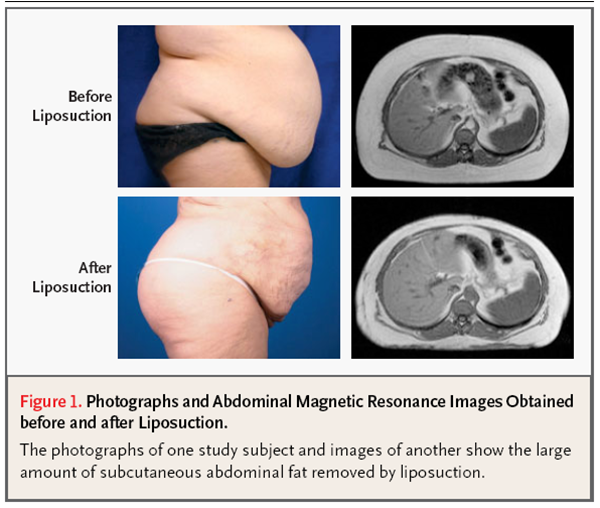
Some people of normal weight but with a large waist have high cholesterol, triglycerides, or blood sugar, and some look slim on the outside because they have little subcutaneous fat and muscle, yet have a high ratio of body fat to body weight. This is called "skinny fat" (MONW; metabolically obese but normal weight), low-muscle obesity, or metabolic obesity, and more recently TOFI (Thin Outside, Fat Inside). The reason is a large amount of visceral fat.
An easy criterion for recognizing this visceral obesity is a waist circumference (measured around the navel) of 90 cm or more for men and 85 cm or more for women. More precisely, it refers to visceral fat of 100 cm2 or more on an abdominal CT scan.
Let us look at diet methods for reducing visceral obesity, that is, "skinny fat," and moving toward a slimmer figure.
- Regular exercise; aerobic exercise + strength training (anaerobic exercise)
- Quit smoking; smoking affects glucose and lipid metabolism
- Avoid alcohol; heavy drinking increases stress hormones and leads to body fat accumulation
- Drink 1.5–2 L of water.
- Improve your diet: 30% protein (fish, legumes, dairy products, eggs, lean meat) and 50% low-glycemic-index whole grains and vegetables
- Take antioxidants that reduce free radicals, such as vitamin C, vitamin E, and selenium
- Know-how for reducing stress. These principles are often mentioned, but they are not easy to put into practice.
If there are a few tips to offer here, the first is to pay attention to your waist circumference rather than focusing solely on weight loss.
(1) Measure and record your weight and waist circumference. Also take photos of your belly and of the front and back of your body, and look at them regularly. (2) Write your own diet plan and eating method, using the list below as a reference.
Decide on diet foods using a diet plan that reduces abdominal obesity, set your calorie intake, and, as a concrete way to put the diet into practice:
- When ; Eat three meals a day at regular times.
- Where ; Always eat only at the dining table.
- What ; Eat a plate of vegetables before each meal. Relieve hunger with unsweetened tea, vegetables, and fruit. Avoid sweet and greasy foods.
- How ; Chew thoroughly and eat as slowly as possible, taking at least 20 minutes.
- With whom ; Eat while talking with family, relatives, or friends. Ask them to help you avoid greasy foods and overeating.
- Why ; If you want to eat when it is not mealtime, write down the reason. If you conclude it is because you are bored, stressed, or because others are eating, drink green tea to shake off the urge to eat.
Key checkpoints:
- Eating less and exercising are the basics; check whether you are following some odd diet instead.
- Check your snacking habits
- Do you binge eat?
- Are you following the diet plan you made?
- Your activity level and amount of exercise
Simply making your own exercise and meal calorie chart and setting up a plan is already half the battle.
"Skinny fat" checklist
- I mostly work sitting down.
- I have not exercised in the past 6 months.
- I drink alcohol twice a week or more.
- My lower belly sticks out more than before.
- My meals are irregular and I overeat.
- I skip breakfast.
- I am under a lot of stress and always tired.
If six or more of the above apply to you, there is a high likelihood that you have "skinny fat."