The Advantages of Liposuction - Liposuction vs. Dieting
At Venus Clinic, where liposuction is our main focus, I often ask patients during consultation, "Why did you choose liposuction?" The most common answer is that no matter how much they dieted, the fat in the areas they wanted would not go away, so they came to try removing it surgically.
One middle-aged woman protested that if she added up everything she had spent on diet injections, pills, and supplements, the money she had spent on dieting alone would be enough to buy a house; she said she had tried and tried without success and had no choice but to come to a clinic.
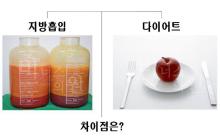
So is liposuction really the last resort for removing excess fat? Dieting and liposuction are both ways to address obesity and reshape the body, but let me explain the fundamental differences between them.
First, diet and exercise aim to reduce body weight, whereas liposuction reshapes the body contour.
In other words, weight management calls for diet and exercise, while liposuction is done to create a beautiful body line. Medicine can be broadly divided into internal medicine and surgery: some conditions require medical treatment, and some require surgical treatment. In fact, people whose degree of obesity is normal but whose body shape is not as attractive as they would like can be said to have localized fat deposits (Local Fat tissue Deposition).
For these localized fat deposits (LFD), which are not obesity but disturb the balance of a beautiful figure, liposuction, a surgical treatment, is one of the most effective options. Even mini liposuction of a localized area alone can create attractive lines and a better body shape.
Liposuction is a type of cosmetic surgery and is the most frequently performed cosmetic procedure in Europe, the United States, and Latin America.
Young women in particular seem to harm their health through excessive dieting. These are side effects of dieting relentlessly (!) to lose stubborn bulges for the sake of body shape, even though they are not obese by constitution. In such cases, liposuction can make the figure prettier relatively simply, without the health toll of extreme dieting. It may be easier than you think~~
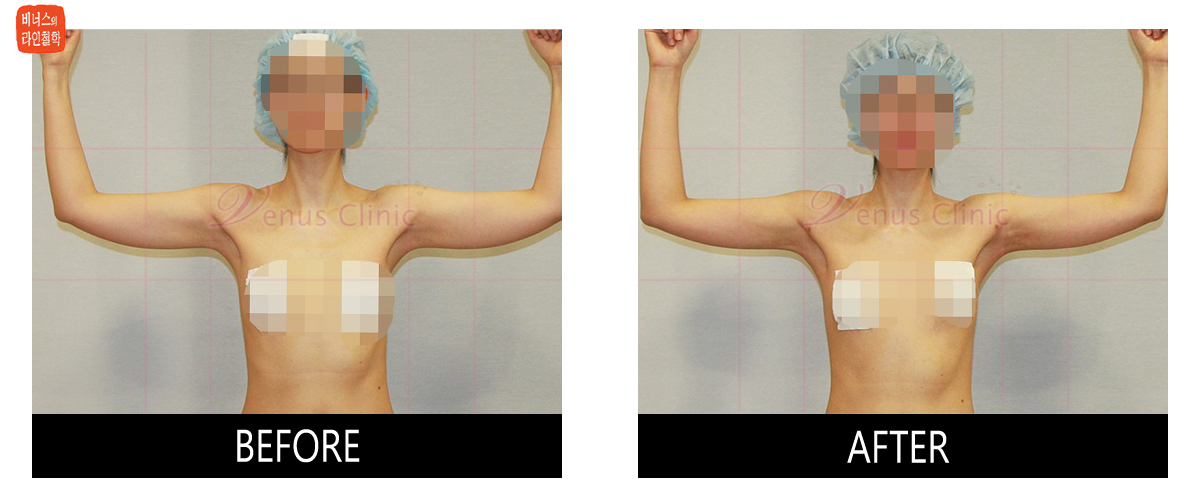
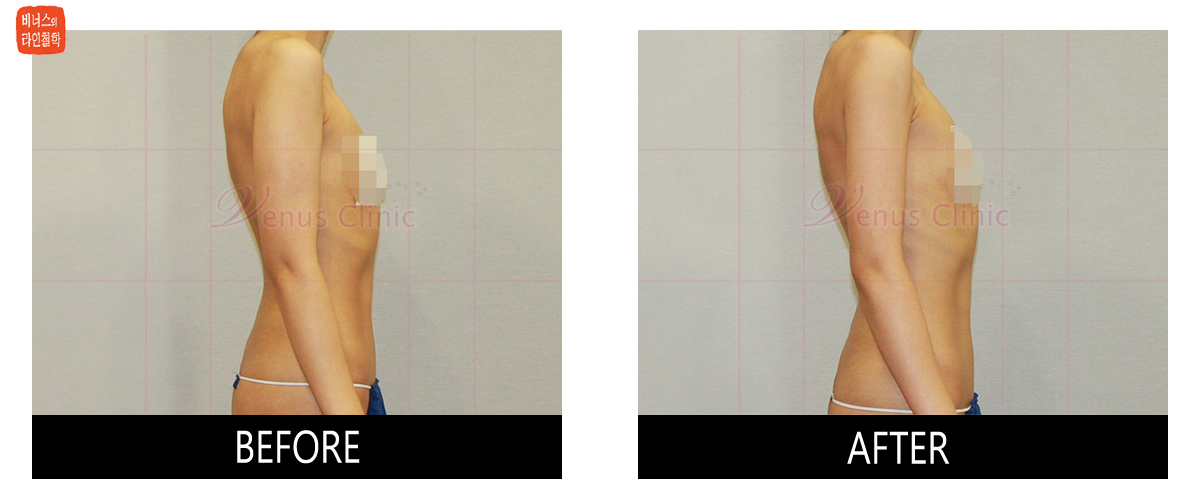
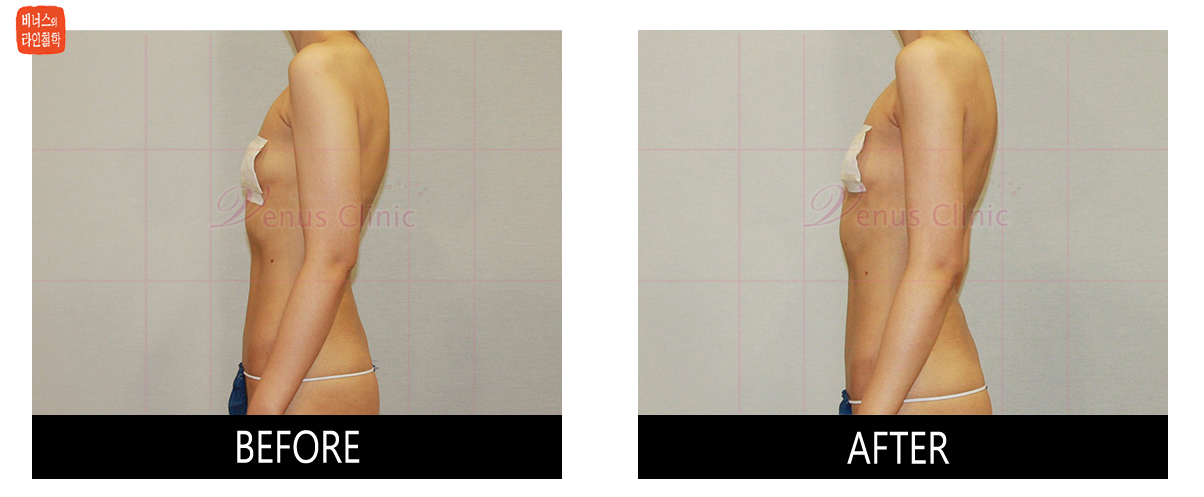
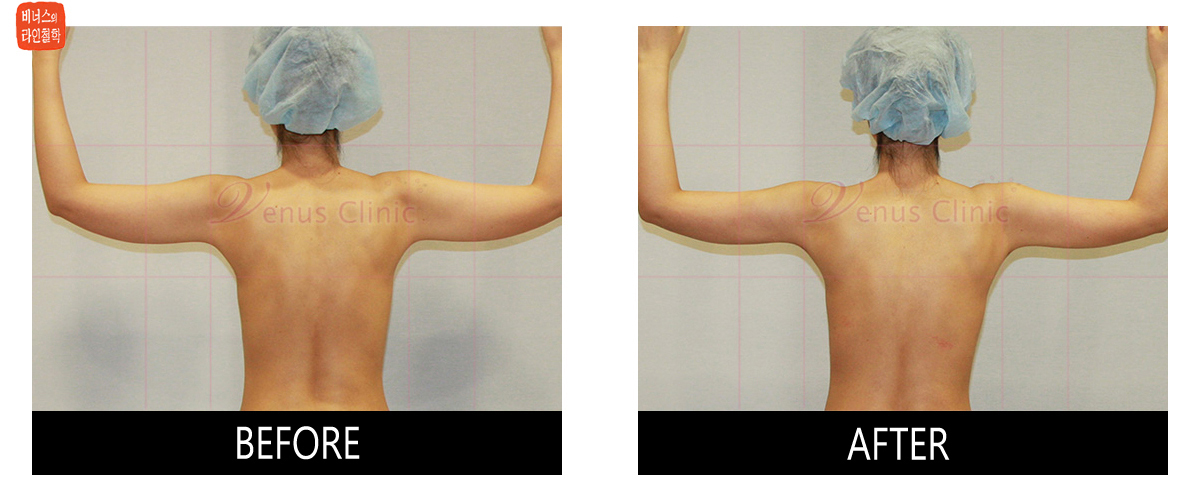
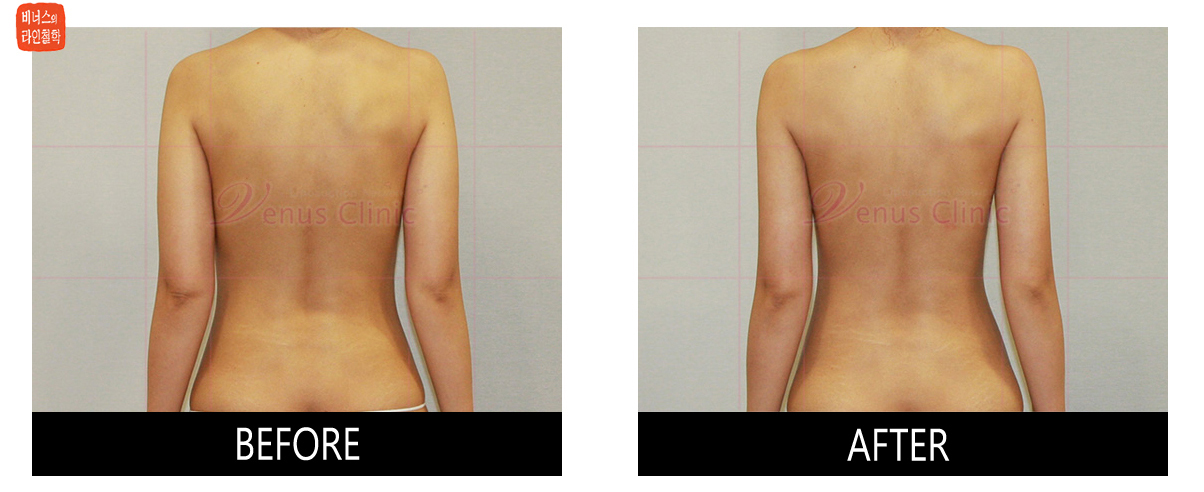
< She is already slim, so dieting doesn't quite make sense... Liposuction can help achieve a prettier figure. Results vary by individual.>
Second, liposuction is surgery that removes the fat cells themselves.
Weight loss through diet or exercise reduces the size of fat cells, which is how body weight goes down; liposuction, by contrast, is surgery that removes the fat cells themselves. Therefore, as long as you do not gain weight after liposuction, fat is less likely to return to the treated areas. However, if you fail to manage your weight properly after surgery and gain weight, the fat cells grow larger, so you may look as though you have put weight on again. Even so, because the treated areas have relatively fewer fat cells than untreated areas, a smaller amount of fat accumulates there.
This is why some people are told that their breasts have become relatively larger after abdominal liposuction. This may partly be because the smaller waist makes the breasts look bigger, but it is also because, when weight increases, breast tissue, which contains relatively more fat, enlarges more. This phenomenon is called disharmonious obesity. In short, if enough fat tissue has been removed, a yo-yo effect after liposuction is unlikely.
Third, liposuction addresses excess fat faster than diet and exercise.
As early as one week after surgery, many patients can see a clear difference in their figure in before-and-after photos, although results vary by individual. Especially among people with severe obesity, we often see cases where, even after struggling to climb the high mountain of weight loss, they eventually become exhausted, fail to maintain their weight, and experience a yo-yo effect that leaves them worse off than before. But if you could reach the top of the mountain easily by elevator, you would have physical and mental energy to spare, making it easier to start dieting after liposuction and easier to keep it up.
In fact, when the body shape of people who have had liposuction improves, many tend to regain the attachment to their figure that they had once given up on, become more interested in their health, recover their social confidence, become more active at work, and pay even closer attention to weight management.
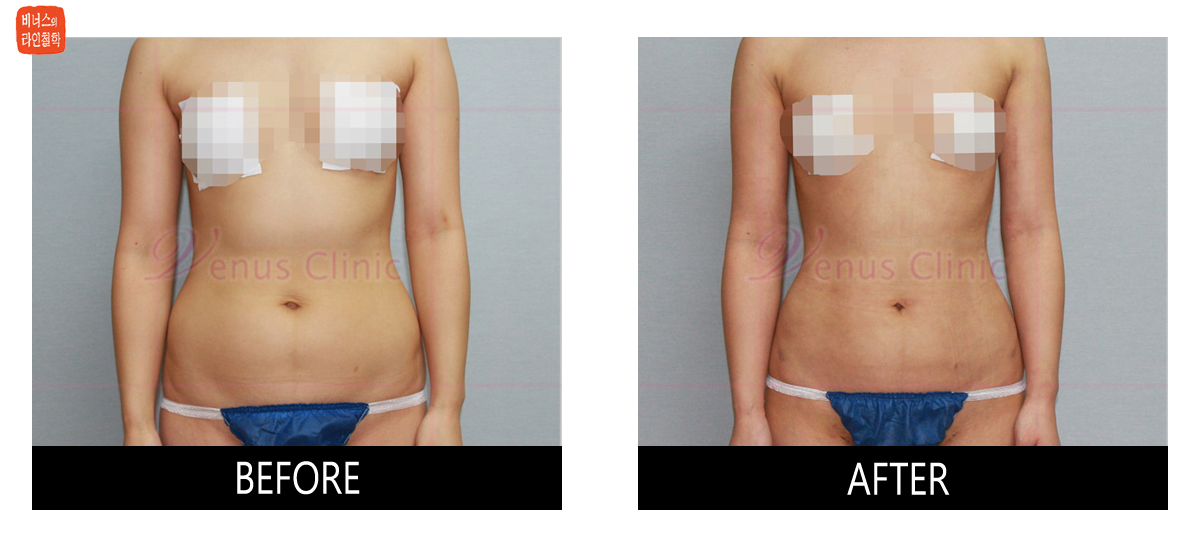 < After struggling through repeated diets, she finally chose liposuction. >
Fourth, when you have developed resistance to dieting or find dieting difficult.
Consider young women who lack exercise because of social circumstances or physical reasons, or people in middle age whose weight does not come down despite their best efforts because their basal metabolic rate has dropped. In other words, when someone who is obese needs to lose weight for health or cosmetic reasons but finds it hard to exercise for various reasons, and has become resistant to dieting after repeated diets so that losing weight is difficult, liposuction can remove body fat and bring both cosmetic and health benefits.
Fifth, you can remove fat from just the areas you want.
When you are obese or have localized fat deposits and go on a diet, fat is often lost first from the face, and the breasts may become smaller as well. The figure may improve to some extent, but fat is lost from areas where you did not want to lose it, producing unexpected "side effects" (?). Middle-aged women in particular often find that dieting reduces the fat under the facial skin, so the skin loses elasticity, loosens, and sags, giving them an older and somehow gaunt look. Liposuction surgically removes only the localized fat deposits you want removed, without this effect, so you can achieve a beautiful, balanced figure without changes in other areas.
Sixth, unlike dieting, liposuction reduces size with less skin sagging.
Many people have worked hard at diet and exercise and resolved their obesity to some degree, yet still cannot get a satisfying body line in the areas they want, or are troubled by sagging skin. One of the advantages of liposuction is that it not only removes fat from the areas you want, but, unlike weight loss through dieting, tends to cause less skin sagging: after surgery the loose skin contracts and re-adheres, so a smoother line can often be achieved without skin excision.
Ironically, however, if you have dieted hard, your skin has already begun to sag, and little fat remains, the skin will contract less even after liposuction. Therefore, to induce sufficient skin contraction for a smooth line, it may actually be better to have liposuction while you still carry more weight.
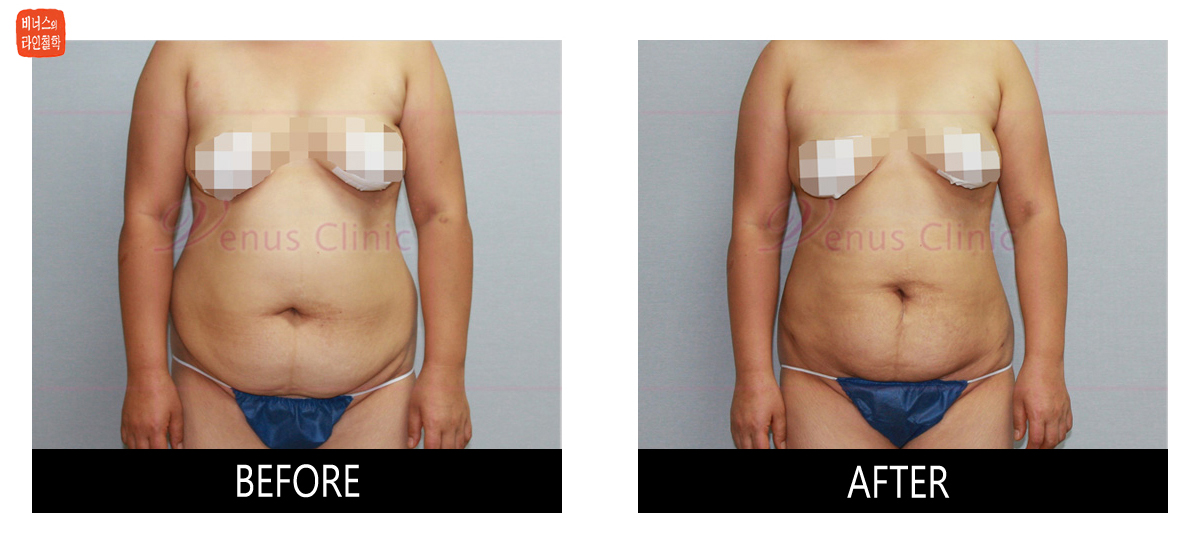
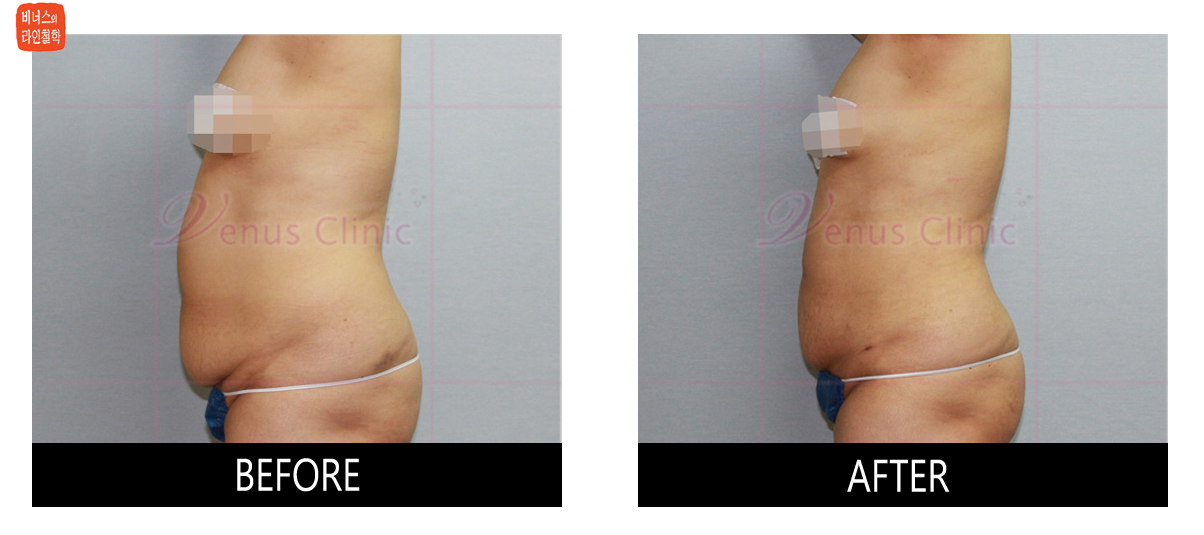
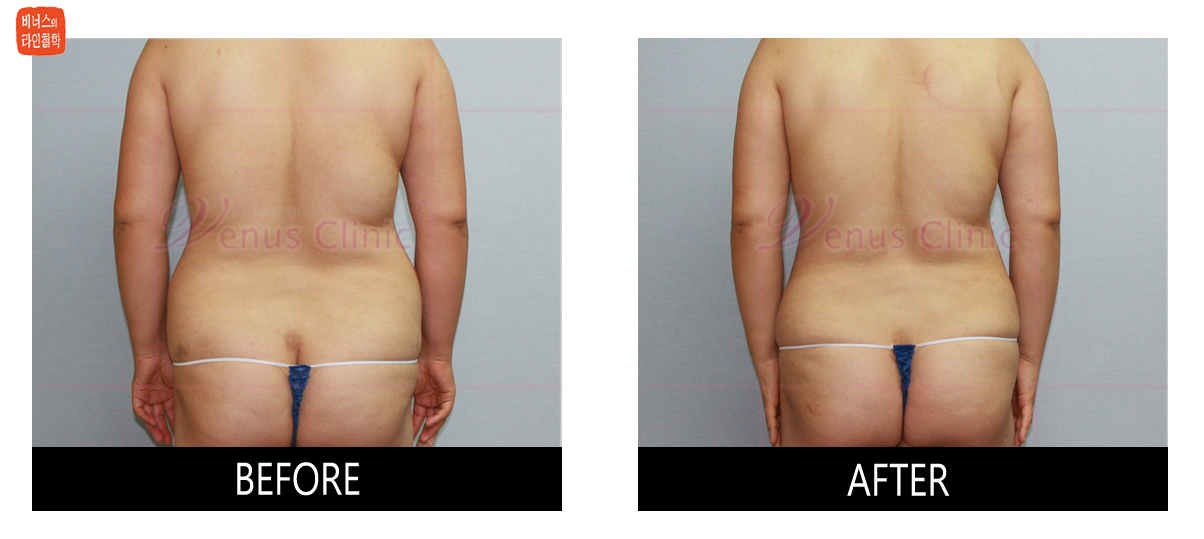
As in the photos above, for this patient who was troubled by fat accumulation in the abdomen after childbirth along with sagging skin and stretch marks, abdominal liposuction induced skin contraction, improving the sagging and reducing the widening of the stretch marks, so the result was favorable not only in terms of size reduction but also cosmetically for the skin.